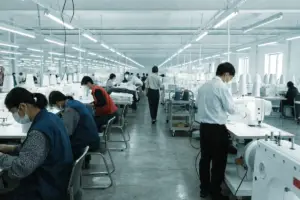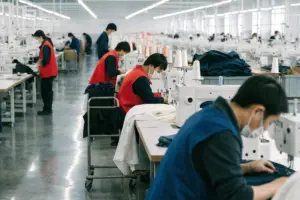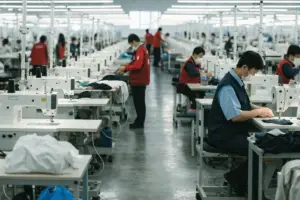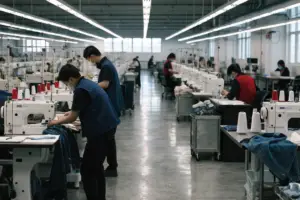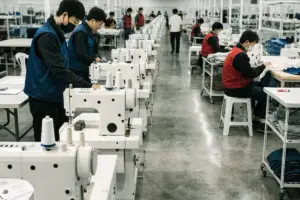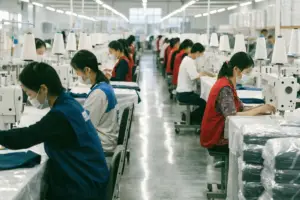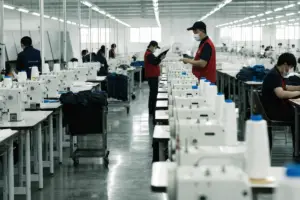
Wholesale clothing is the foundation of the fashion supply chain. Whether you’re launching a boutique or scaling an apparel brand, understanding the wholesale business is essential for profitability. But how does wholesale clothing really work?
Wholesale clothing involves bulk purchasing from manufacturers or distributors at discounted rates and reselling at a markup. Retailers buy in large quantities to secure better prices, ensuring higher profit margins. Successful wholesalers provide a consistent supply of quality apparel at competitive rates.
Choosing the right wholesaler, understanding their role, and knowing how the wholesale industry operates can make or break a clothing business.
How to Choose a Clothing Wholesaler?
Finding the right clothing wholesaler can determine your business success. But what factors should you consider when selecting one?
The best clothing wholesaler offers competitive pricing, high-quality garments, reliable shipping, and strong customer service. Retailers must evaluate suppliers based on product consistency, reputation, and minimum order requirements.

What factors should you consider when selecting a wholesaler?
| Factor | Why It Matters |
|---|---|
| Pricing | Affects retail profit margins |
| Product Quality | Ensures customer satisfaction |
| MOQ (Minimum Order Quantity) | Determines investment risk |
| Lead Time | Impacts stock availability |
| Return Policies | Provides flexibility in case of defects |
Where can you find reliable clothing wholesalers?
- Trade Shows: Events like MAGIC Las Vegas and SOURCING at MAGIC connect retailers with wholesalers.
- Online Directories: Websites like Faire, GlobalSources, and Tundra offer wholesale apparel options.
- Manufacturer Direct Wholesalers: Buying directly from manufacturers reduces costs and ensures better customization options.
What is a Wholesale for Clothing?
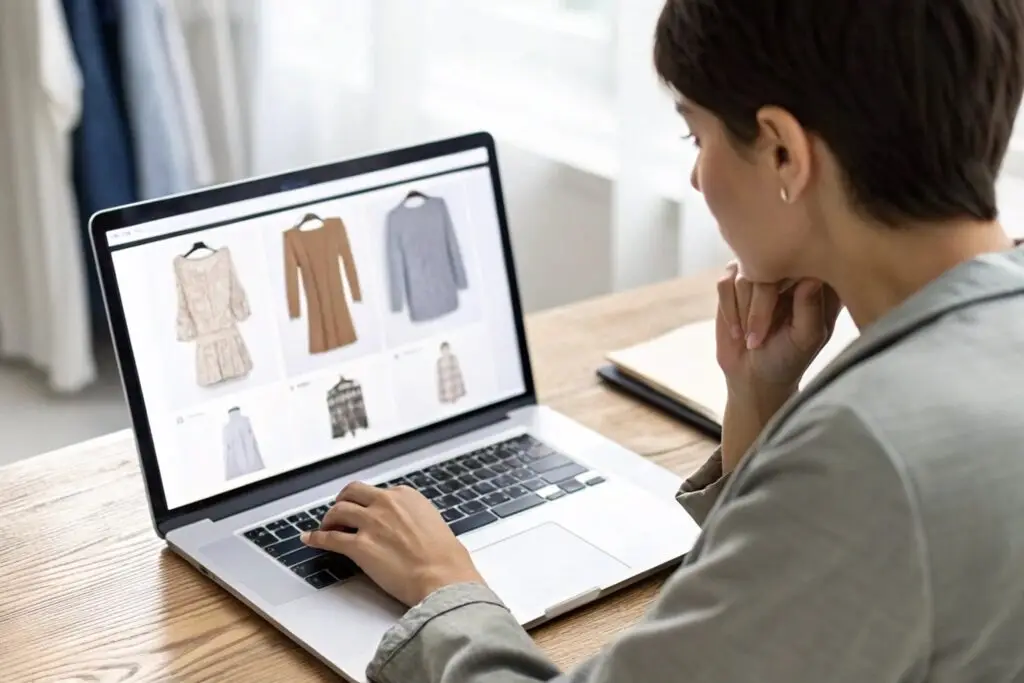
Wholesale in clothing refers to bulk transactions between manufacturers, distributors, and retailers. But how does the process work?
A wholesale clothing business involves sourcing garments from manufacturers at lower prices and selling them to retailers at a markup. Wholesale suppliers act as middlemen between brands and stores, ensuring a steady flow of products.
How do wholesalers differ from manufacturers?
| Category | Role in Supply Chain |
|---|---|
| Manufacturers | Produce garments in bulk |
| Wholesalers | Buy in bulk and sell to retailers |
| Retailers | Sell directly to consumers |
Why do retailers prefer wholesale purchases?
Retailers benefit from wholesale purchases because they:
- Secure lower costs per unit.
- Gain access to trending apparel before general consumers.
- Can scale inventory without high manufacturing costs.
What Does a Wholesaler Do in Fashion?
Wholesalers play a crucial role in distributing apparel from manufacturers to retailers. But what exactly do they do?
A fashion wholesaler sources, stores, and distributes clothing in bulk. They negotiate pricing with manufacturers and supply apparel to retailers based on market demand.
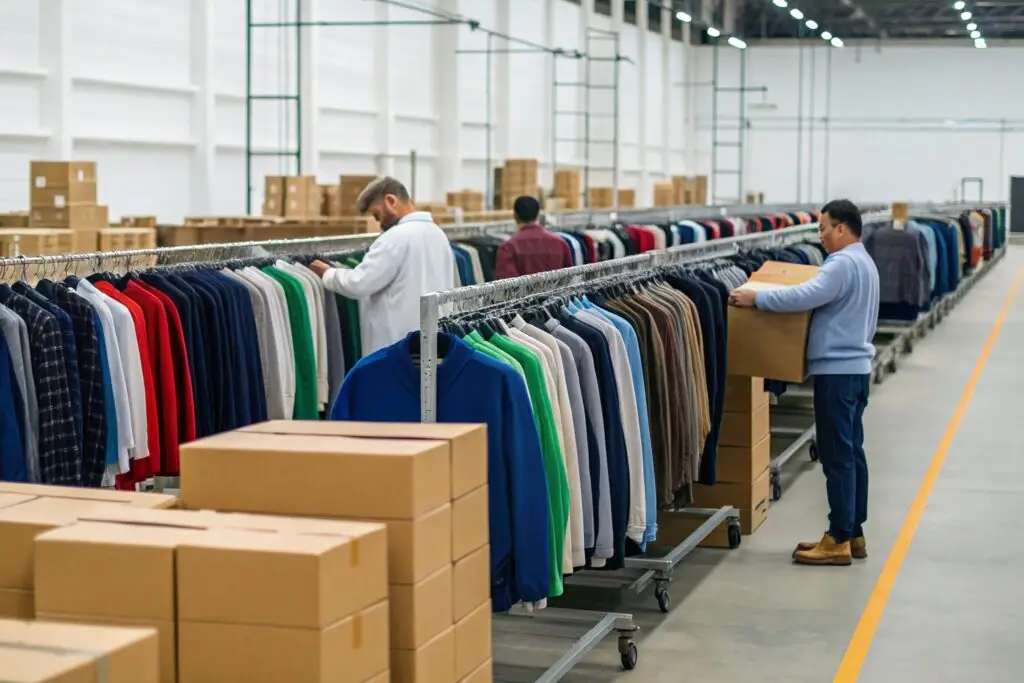
How do wholesalers determine which products to stock?
Wholesalers analyze fashion trends, seasonal demand, and retailer preferences before purchasing inventory. They focus on:
- Popular styles that will sell quickly.
- Fabrics and designs that align with fashion trends.
- Pricing strategies that ensure profitability for both parties.
What are the advantages of working with a wholesaler?
| Advantage | Benefit for Retailers |
|---|---|
| Lower Costs | Access to bulk pricing discounts |
| Consistent Supply | Reliable inventory replenishment |
| Variety of Styles | Broad selection without manufacturing investment |
What Are the Duties of a Wholesaler?
Fashion wholesalers do more than just sell bulk clothing. What are their primary responsibilities?
A wholesaler’s duties include sourcing products, managing inventory, coordinating logistics, and setting competitive pricing. They must also maintain strong relationships with manufacturers and retailers to ensure smooth supply chain operations.
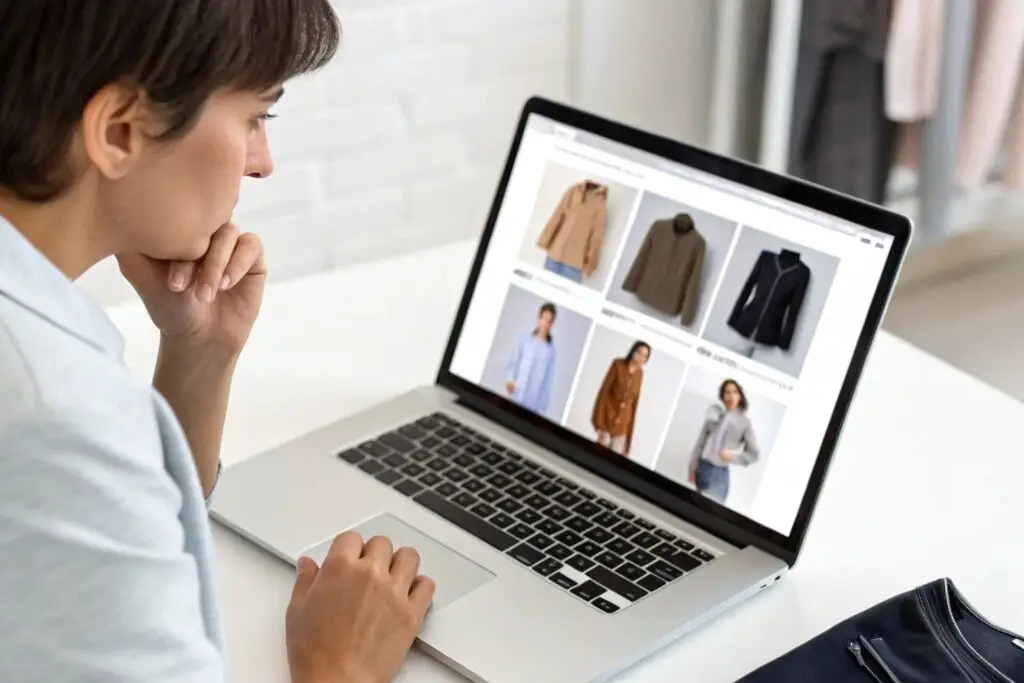
What are the key responsibilities of a fashion wholesaler?
- Product Sourcing: Finding the best manufacturers to produce high-quality garments.
- Inventory Management: Keeping stock levels balanced to meet retailer demands.
- Logistics & Distribution: Ensuring timely delivery of clothing to retailers.
- Pricing Strategy: Setting wholesale prices that attract both manufacturers and buyers.
- Market Research: Identifying fashion trends and consumer preferences.
How do wholesalers maintain strong relationships with retailers?
Successful wholesalers offer flexible terms, consistent product quality, and reliable order fulfillment. Many also provide private labeling and customization services to meet retailer-specific needs.
Conclusion
Wholesale clothing is a vital part of the fashion industry, providing retailers with affordable inventory and manufacturers with large-volume buyers. Finding the right wholesaler requires evaluating pricing, product quality, and supplier reliability. As trends shift and demand evolves, wholesalers who adapt to market needs will continue to thrive.