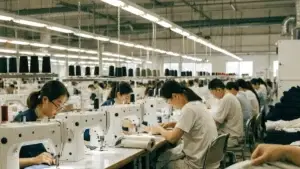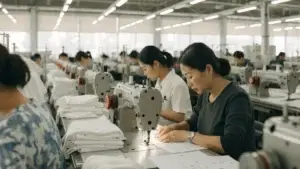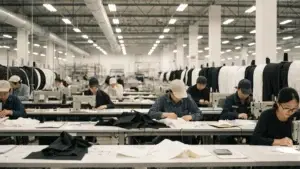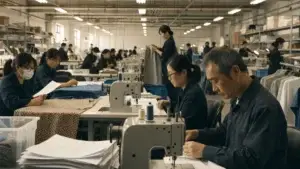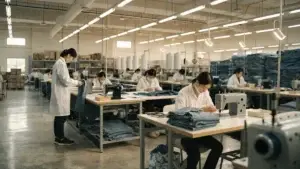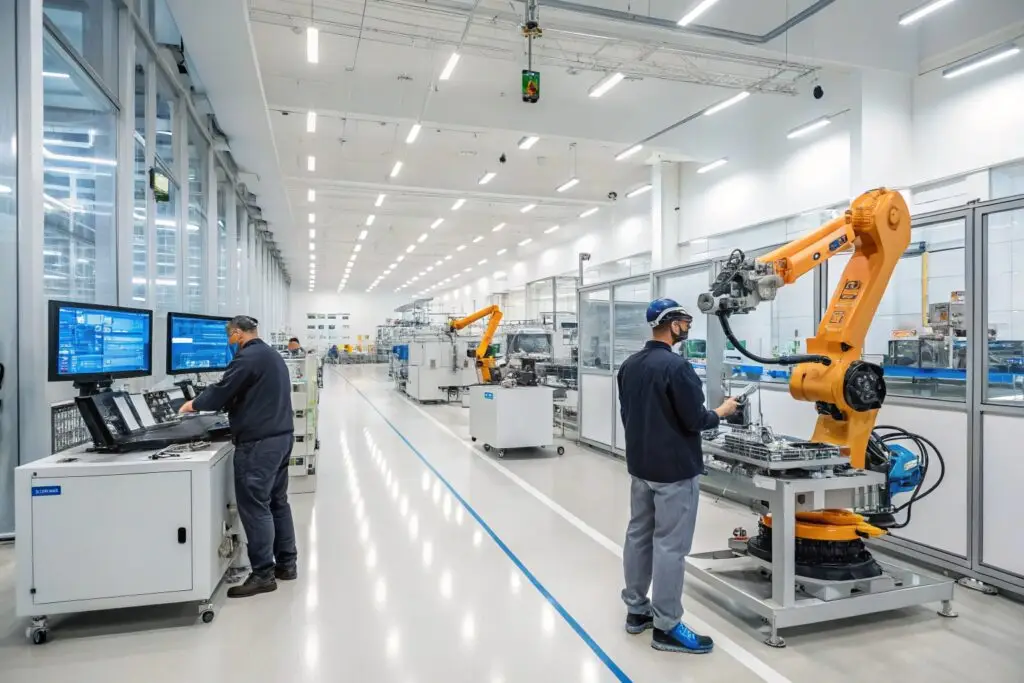
Manufacturing has long been the backbone of the American economy. But with rising automation, outsourcing, and shifting economic priorities, many wonder if the U.S. will ever stop producing goods entirely. Is the decline of American manufacturing inevitable?
No, the United States will not stop manufacturing, but its role in global production is evolving. While traditional industries have declined, the U.S. remains a leader in advanced manufacturing, high-tech production, and specialized industries. Automation and reshoring efforts are also reshaping the sector.
Manufacturing in the U.S. is not disappearing—it’s transforming. Understanding these changes is crucial for businesses, policymakers, and investors looking to navigate the future of production.
Is manufacturing dying in the US?
American manufacturing has seen a steady decline in jobs and factory closures. But does this mean the industry is dying?
No, U.S. manufacturing is not dying—it is changing. While traditional mass production has moved overseas, America continues to lead in high-tech manufacturing, aerospace, pharmaceuticals, and robotics. The industry is shifting toward automation and specialized production rather than disappearing.
Why have U.S. manufacturing jobs declined?
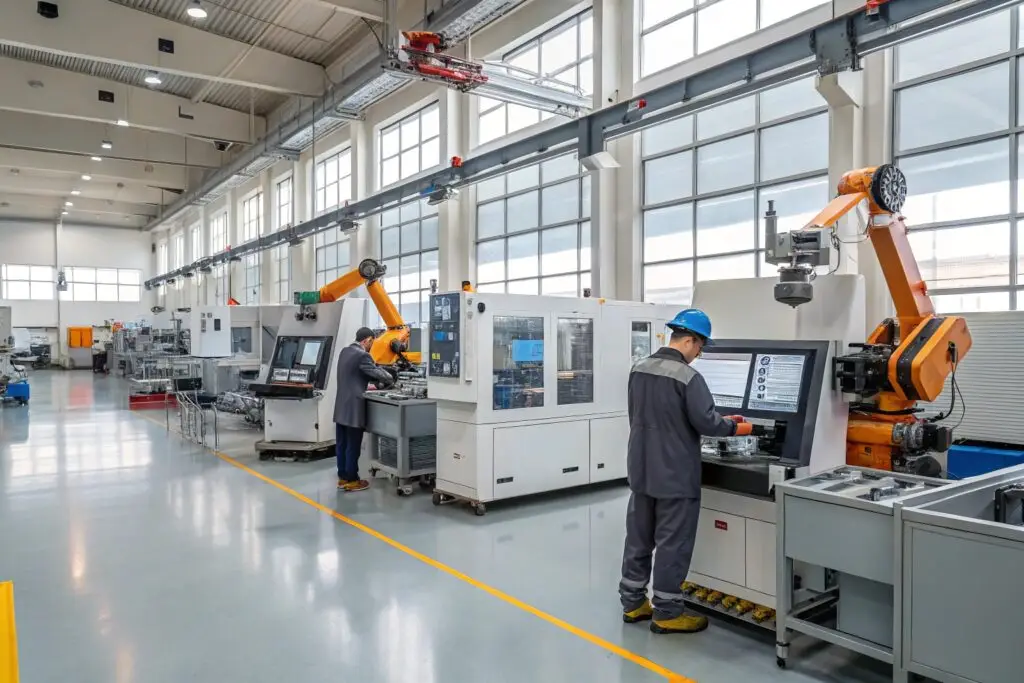
Manufacturing jobs have declined mainly due to automation and outsourcing. Factories now use robots and AI-driven systems to replace human labor, reducing the need for workers. At the same time, many companies moved production to countries with lower wages to stay competitive.
How does automation impact U.S. manufacturing?
Automation increases efficiency but reduces traditional factory jobs. Robots can now perform repetitive tasks faster and with fewer errors than human workers. This shift allows U.S. factories to produce high-quality goods at competitive prices, but it also displaces low-skill workers.
Does America manufacture anything anymore?
With so many goods labeled “Made in China,” it may seem like the U.S. no longer produces anything. But is that true?
Yes, America still manufactures many products, including aircraft, automobiles, medical devices, and semiconductors. The U.S. remains a global leader in high-value, specialized manufacturing industries that require advanced technology and skilled labor.

What industries still manufacture in the U.S.?
Some of the strongest American manufacturing sectors include:
- Aerospace: Boeing and Lockheed Martin continue to produce aircraft and defense systems.
- Automobiles: Ford, General Motors, and Tesla manufacture millions of vehicles domestically.
- Pharmaceuticals: The U.S. leads in biotech and medical research, producing essential medicines and vaccines.
- Semiconductors: Intel and other companies fabricate advanced computer chips in the U.S.
Why do some industries stay in the U.S.?
Certain industries remain in the U.S. due to national security concerns, supply chain risks, and the need for highly skilled workers. High-tech manufacturing requires advanced research and close collaboration between engineers, making it difficult to outsource completely.
Can the US economy succeed without a big manufacturing base?
Some argue that the U.S. has shifted to a service-based economy. But can America thrive without strong manufacturing?
While the U.S. economy is increasingly service-driven, manufacturing remains essential for economic stability, innovation, and national security. A complete shift away from production could weaken America’s global competitiveness.
How does manufacturing contribute to economic growth?
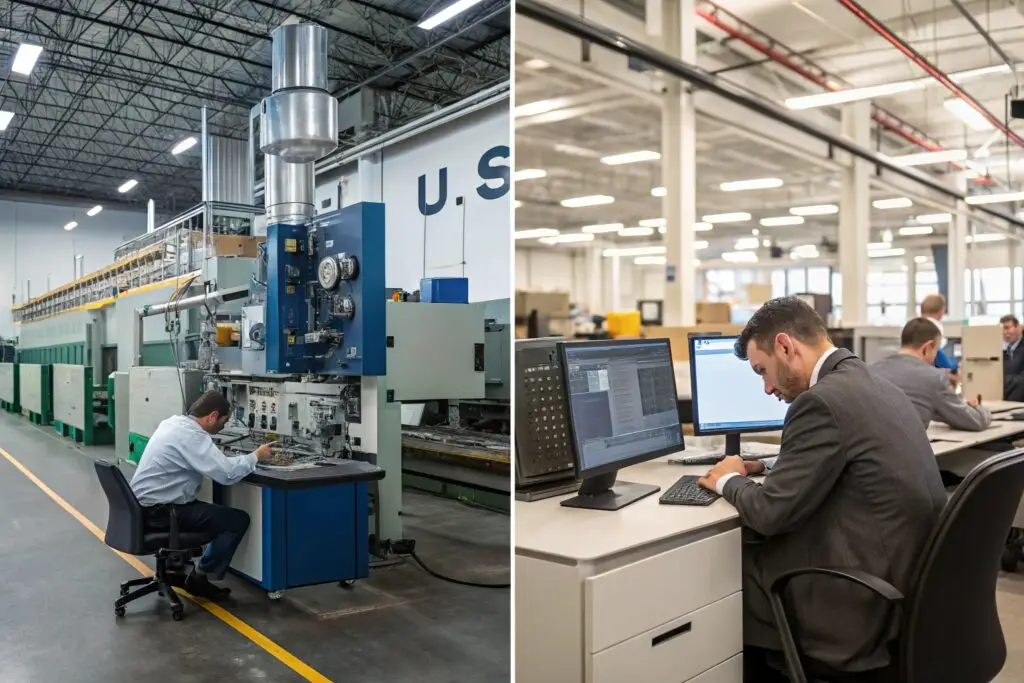
Manufacturing drives research, innovation, and job creation. Every manufacturing job supports multiple jobs in related industries, from supply chains to retail. Losing manufacturing could lead to economic instability and greater reliance on foreign imports.
What are the risks of deindustrialization?
Countries that lose their manufacturing base often face trade deficits, reduced job opportunities, and weakened infrastructure. Without a strong industrial sector, the U.S. could become vulnerable to supply chain disruptions and geopolitical conflicts.
Is US manufacturing leaving China?
Recent global events have disrupted supply chains, leading some companies to reconsider their reliance on China. But is U.S. manufacturing actually shifting away?
Yes, some U.S. manufacturers are diversifying their supply chains by moving production to other countries, including Vietnam, Mexico, and even back to the U.S. However, China remains a key manufacturing hub due to its established infrastructure and cost advantages.
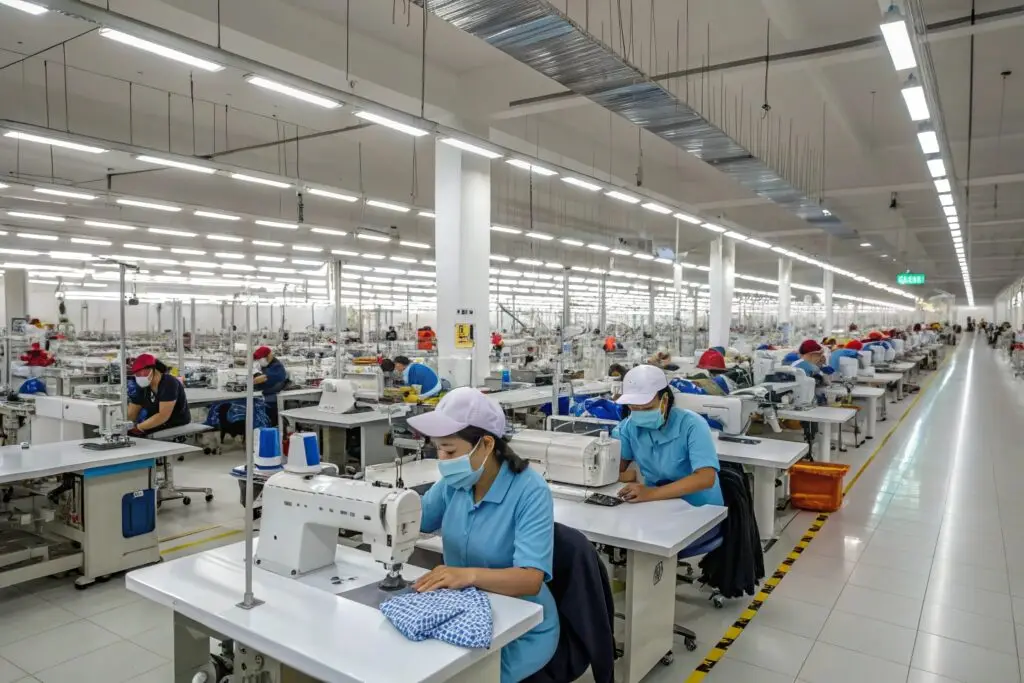
Why are companies moving production out of China?
Several factors are driving the shift:
- Rising labor costs: Wages in China have increased, making manufacturing more expensive.
- Trade tensions: Tariffs and political disputes between the U.S. and China have pushed companies to look for alternatives.
- Supply chain disruptions: The COVID-19 pandemic exposed the risks of over-reliance on a single country.
Where is U.S. manufacturing going instead?
Some companies are bringing production back to the U.S. (reshoring), while others are moving to countries like:
- Vietnam: Lower labor costs and growing infrastructure make it an attractive alternative.
- Mexico: Proximity to the U.S. reduces shipping costs and tariffs.
- India: A large workforce and government incentives are attracting manufacturers.
Conclusion
The U.S. manufacturing industry is not dying—it is evolving. While mass production has moved overseas, America remains a leader in high-tech and specialized industries. Automation, reshoring efforts, and supply chain diversification are reshaping the future of American manufacturing. The U.S. will continue to produce, but in a more advanced and strategic way.