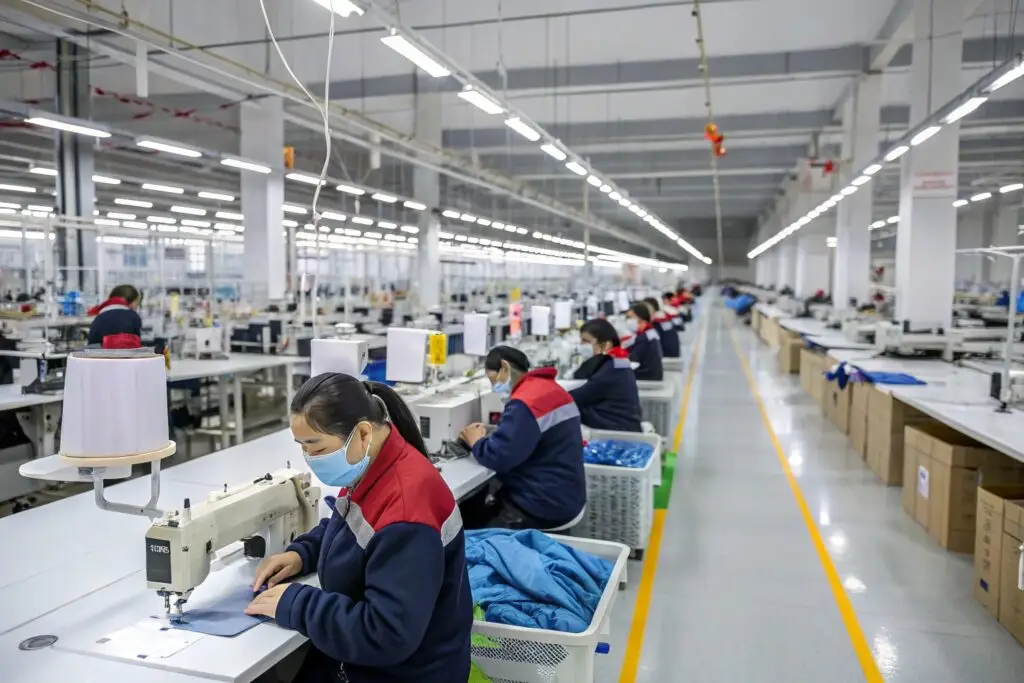
Garment quality varies widely across factories. Some produce durable, well-made clothing, while others struggle with consistency. But does the factory’s location play a role? If you're sourcing apparel, knowing how geography impacts quality can help you make better decisions.
Yes, the location of a garment factory can significantly impact quality. Factors such as infrastructure, labor skills, regulations, and access to raw materials all influence production standards. Factories in well-developed industrial zones tend to have better quality control and more efficient production processes.
Choosing the right factory is crucial for clothing businesses. Location affects everything from production efficiency to compliance with international standards. Let’s break down how and why location impacts garment quality.
What are the most common problems in garment production?
Garment manufacturing comes with challenges that can affect product quality. What are the most frequent issues?
The most common garment production problems include inconsistent stitching, fabric defects, sizing errors, and poor finishing. These issues arise due to inadequate quality control, unskilled labor, or rushed production schedules.
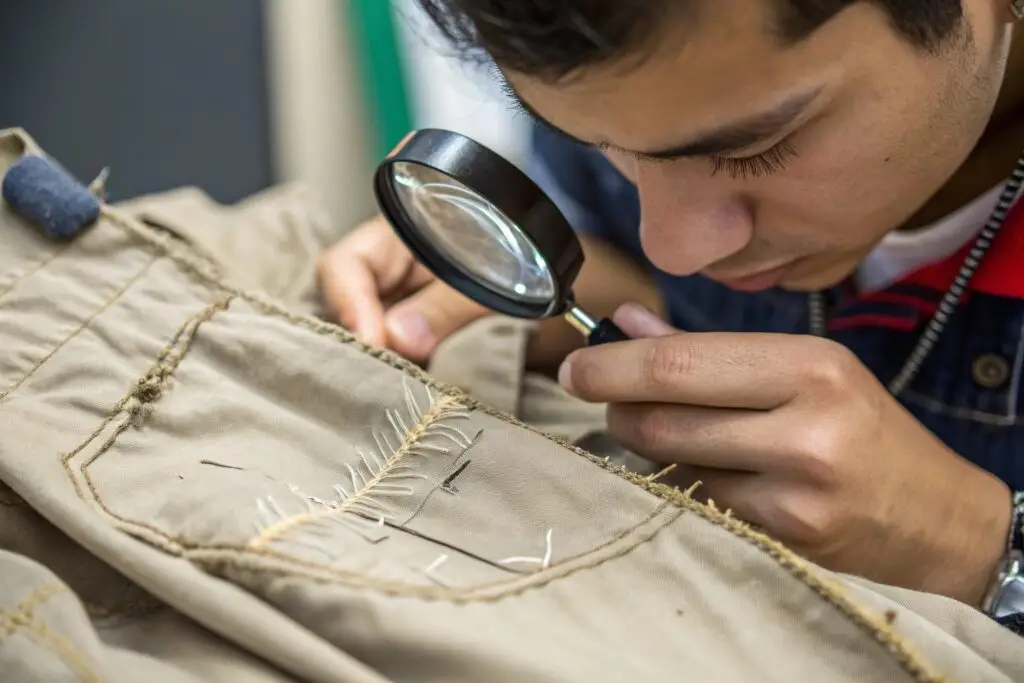
Why does poor stitching affect garment durability?
Stitching errors, such as loose threads or uneven seams, weaken garments. Poor thread tension and incorrect machine settings often cause these issues. When workers lack training or factories rush production, stitching consistency suffers.
How do fabric defects impact final product quality?
Fabric shrinkage, dye inconsistencies, and material defects lead to high rejection rates. Factories that source low-quality raw materials or fail to inspect fabrics before production often struggle with these problems.
What are the factors affecting productivity in the garment industry?
Efficiency in garment manufacturing determines both quality and cost. What influences factory productivity?
Key factors include labor skills, factory layout, supply chain efficiency, and machinery quality. Well-trained workers, streamlined processes, and reliable suppliers contribute to higher productivity and better-quality garments.
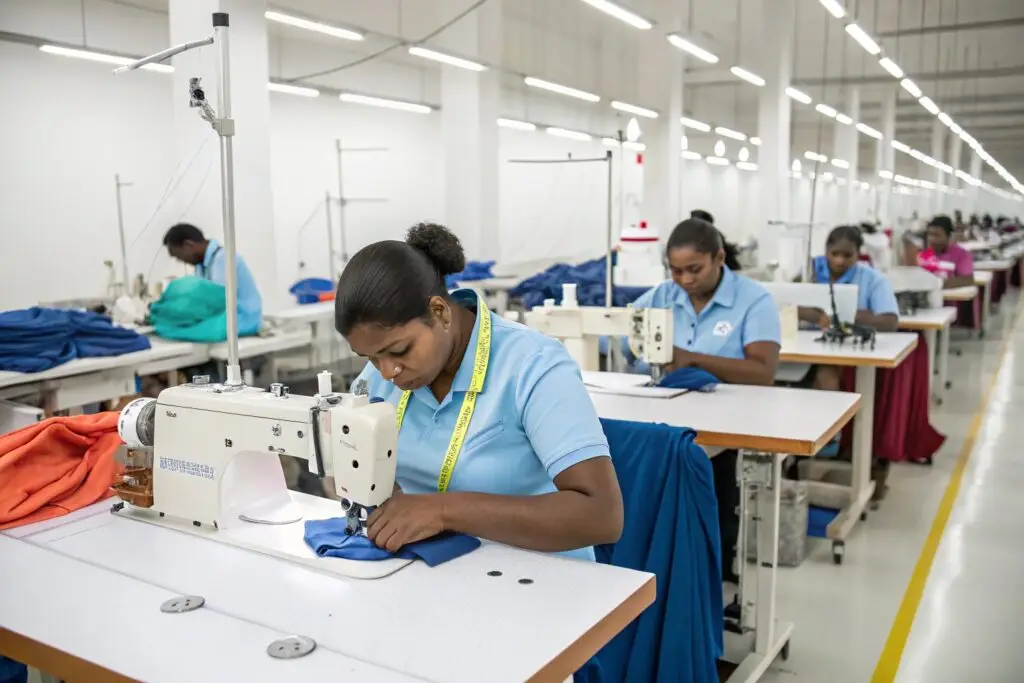
How does worker training affect productivity?
Skilled workers complete tasks faster and with fewer mistakes. Factories that invest in training programs reduce defects, improve efficiency, and increase overall output. In contrast, untrained workers cause rework and slow down production.
Why does supply chain efficiency matter?
Raw material delays disrupt production schedules, forcing factories to rush orders, which compromises quality. A well-managed supply chain ensures timely material delivery, leading to consistent production speeds and fewer last-minute errors.
How can we improve quality of garment factory?
Factories aiming for better quality must adopt a structured approach. But what strategies work best?
Improving garment factory quality requires better workforce training, strict quality control measures, and investment in advanced machinery. Implementing standardized processes helps maintain consistency in production.
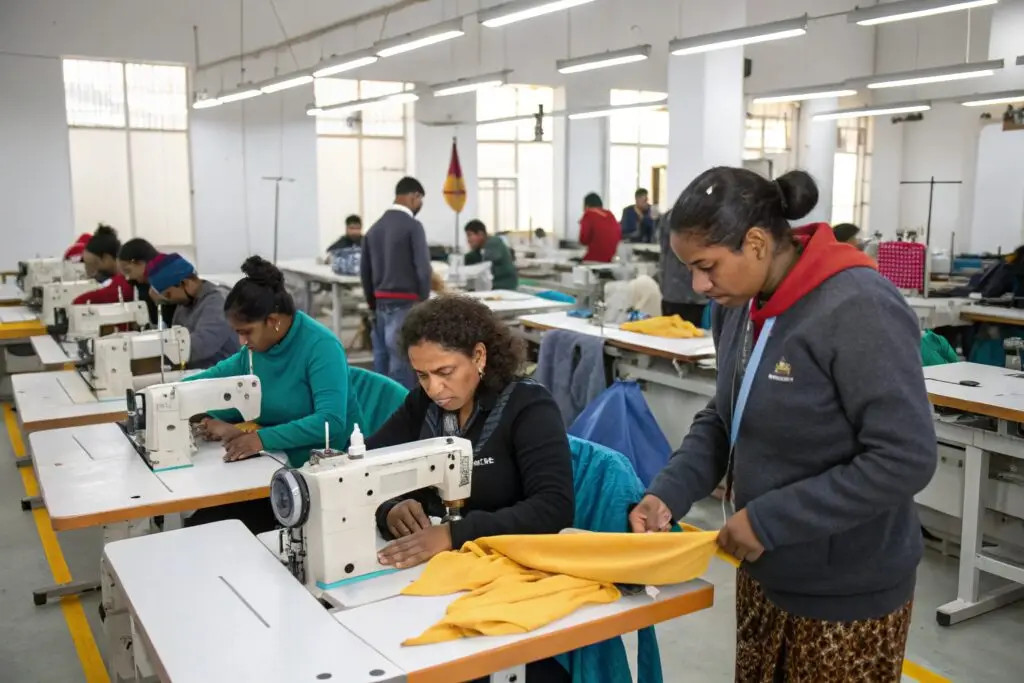
What role does machinery play in garment quality?
Modern machines enhance precision and reduce human error. Automated cutting, stitching, and finishing equipment improve accuracy, resulting in fewer defects. Factories using outdated machinery often struggle with inconsistencies.
How does factory layout impact efficiency?
An optimized factory layout minimizes material handling time and prevents workflow bottlenecks. Factories designed with a logical production flow experience fewer delays and higher output quality.
What is quality control in the garment industry?
Quality control ensures products meet customer expectations. But what exactly does it involve?
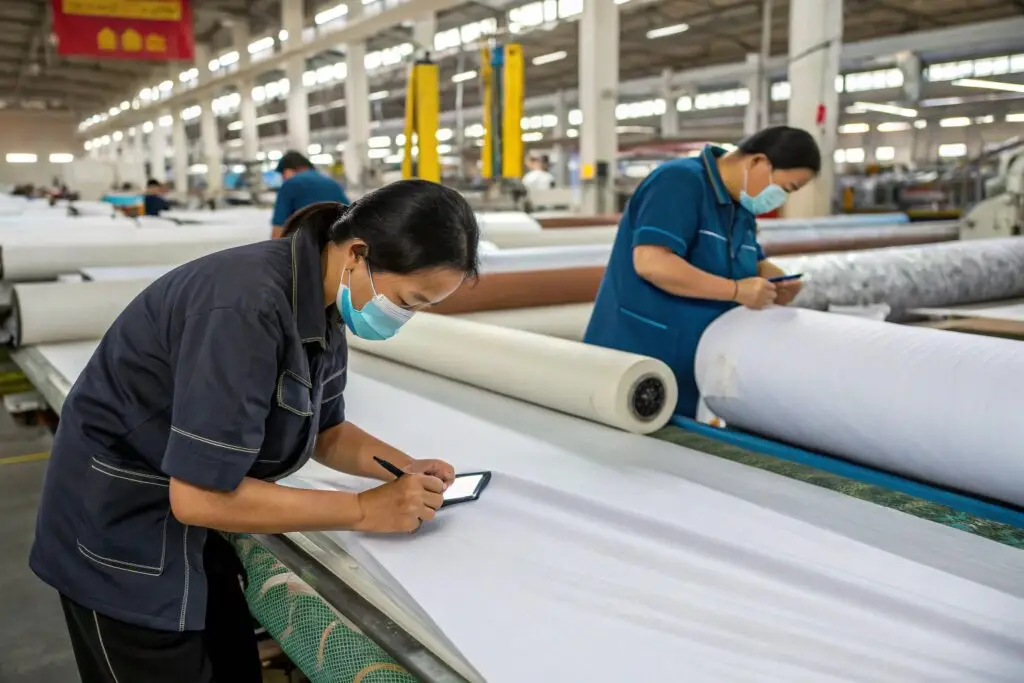
Quality control in the garment industry involves inspecting raw materials, monitoring production, and conducting final product checks. A structured quality assurance system reduces defects and ensures consistency.
How do pre-production inspections improve quality?
Checking fabrics, trims, and patterns before production prevents defects. Early detection of material inconsistencies saves time and reduces waste, leading to better-quality garments.
What are the key quality control methods?
Factories use in-line and final inspections to identify defects. In-line quality control catches errors during production, allowing for immediate corrections. Final inspections verify that finished products meet required standards before shipment.
Conclusion
Factory location plays a critical role in garment quality. Infrastructure, labor expertise, and supply chain efficiency all influence production outcomes. Businesses sourcing apparel must evaluate not just cost but also the manufacturing environment. Understanding quality control strategies helps factories improve output and maintain competitive advantages.