Uniqlo sells trendy, well-made clothes at surprisingly low prices. How do they do it? If you’re in the apparel business, understanding their strategy can give you a competitive edge. Let’s explore how Uniqlo manages to keep prices low while maintaining a strong brand.
Uniqlo achieves its low prices by cutting unnecessary costs, controlling production, and using a unique supply chain model. Unlike fast fashion brands that chase trends, Uniqlo focuses on timeless basics, allowing it to mass-produce efficiently and reduce waste. This approach helps them offer quality clothing at unbeatable prices.
Many brands struggle with balancing price and quality. Uniqlo seems to have cracked the code. If you’re a clothing business owner looking for ways to compete, learning from Uniqlo’s model could help you optimize your own supply chain.
Why are Uniqlo clothes so cheap?
Uniqlo’s business model eliminates inefficiencies, keeping costs down. But what exactly makes their clothes cheaper than other brands?
Uniqlo’s pricing strategy is based on high-volume production, strategic partnerships with suppliers, and direct-to-consumer retailing. By avoiding unnecessary inventory and using a limited number of fabrics, they streamline operations and cut expenses.
How does Uniqlo control production costs?
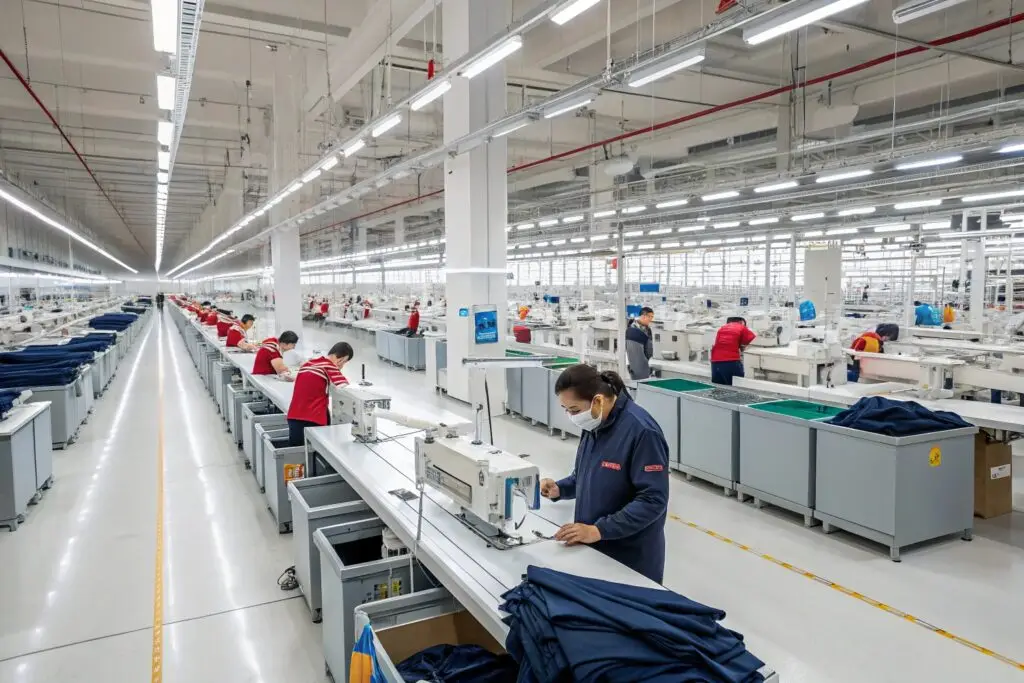
Uniqlo does not follow traditional fast fashion trends. Instead, it creates a "lifewear" collection—timeless pieces that stay in stock for years. This allows for bulk production, reducing per-unit costs.
Unlike many brands that rely on seasonal fashion cycles, Uniqlo’s consistent designs lower material waste and factory retooling expenses. They partner with a select number of high-efficiency suppliers, ensuring stable costs and long-term quality.
Why doesn’t Uniqlo spend much on advertising?
Unlike other global brands, Uniqlo minimizes marketing expenses. They rely on word-of-mouth, store experience, and strategic collaborations instead of heavy advertising. This saves millions of dollars in promotional costs, allowing them to pass those savings to consumers.
Where does Uniqlo get their clothes from?
Uniqlo sources its products through a highly optimized supply chain. But where are their factories, and how do they keep costs so low?
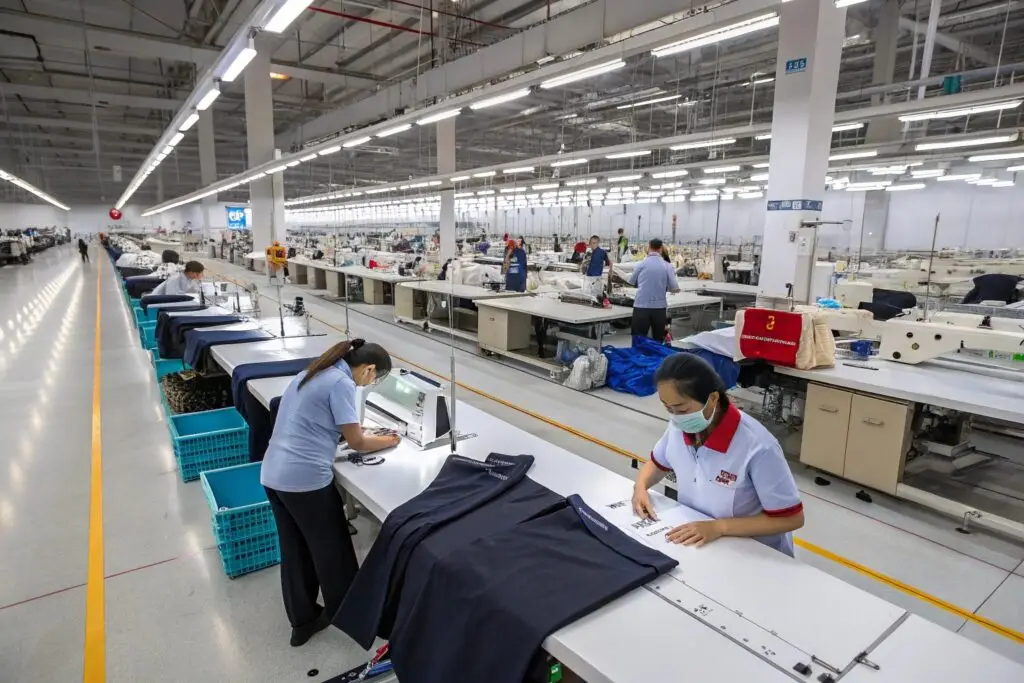
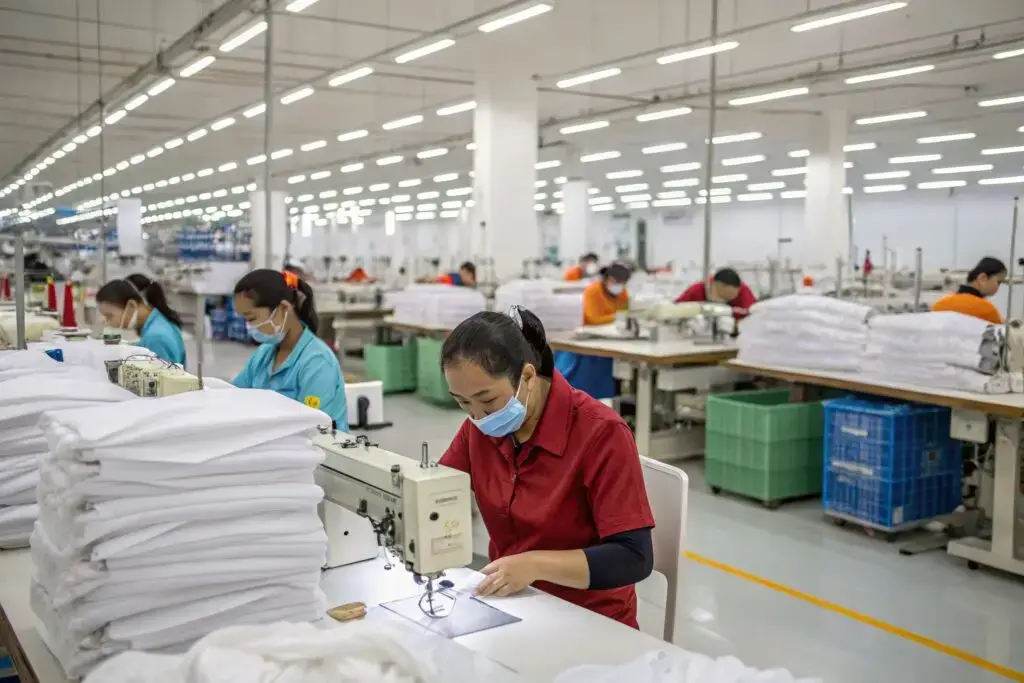
Uniqlo works with manufacturers in China, Vietnam, Bangladesh, and Indonesia. They establish long-term contracts with suppliers, ensuring stability in material costs and production efficiency. This enables them to maintain consistent pricing.
How does Uniqlo’s supplier strategy differ from other brands?
Unlike brands that frequently switch suppliers to chase lower prices, Uniqlo builds long-term relationships. Their “Takumi” system—Japanese textile experts overseeing overseas production—ensures that suppliers maintain quality while improving efficiency.
Most clothing brands negotiate prices seasonally, leading to cost fluctuations. Uniqlo’s stable partnerships mean predictable pricing and better quality control.
Does Uniqlo own its factories?
No, Uniqlo does not own factories. Instead, they work closely with third-party manufacturers to optimize production. By not investing in factory ownership, they keep overhead costs low while maintaining flexibility in supplier selection.
Is Uniqlo actually good quality?
Low prices often mean poor quality, but Uniqlo has built a reputation for durability. Is it really worth the price?
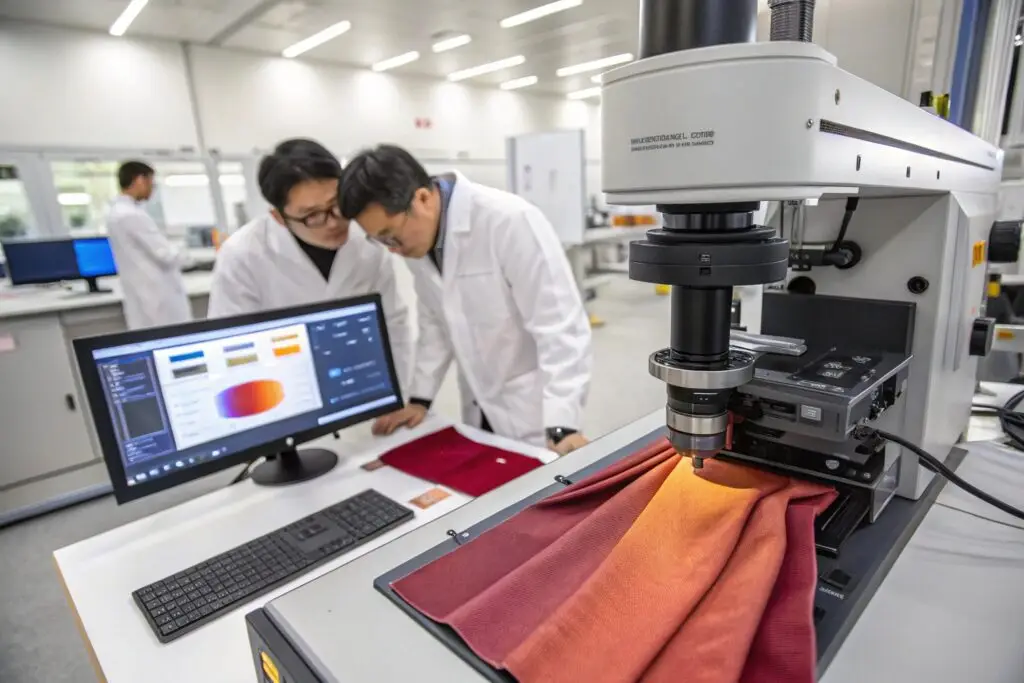
Uniqlo focuses on functional, well-designed clothing made from quality fabrics. They invest in textile innovation, such as HeatTech and Airism, to enhance comfort and longevity. This makes their products a good value for money.
Why does Uniqlo’s fabric technology matter?
Unlike fast fashion brands that use the cheapest materials available, Uniqlo invests in advanced fabric technologies. Their HeatTech and Airism collections use lightweight, breathable, and moisture-wicking fabrics designed for long-term use.
This commitment to fabric innovation differentiates them from brands that prioritize trends over longevity.
How does Uniqlo maintain quality while keeping prices low?
Uniqlo controls its supply chain tightly. They avoid middlemen, purchase raw materials in bulk, and use efficient logistics to minimize extra costs. Their focus on timeless basics means they don’t have to redesign collections constantly, reducing production errors and material waste.
Does Uniqlo actually take used clothing?
Uniqlo promotes sustainability through its recycling program, but does it actually make a difference?
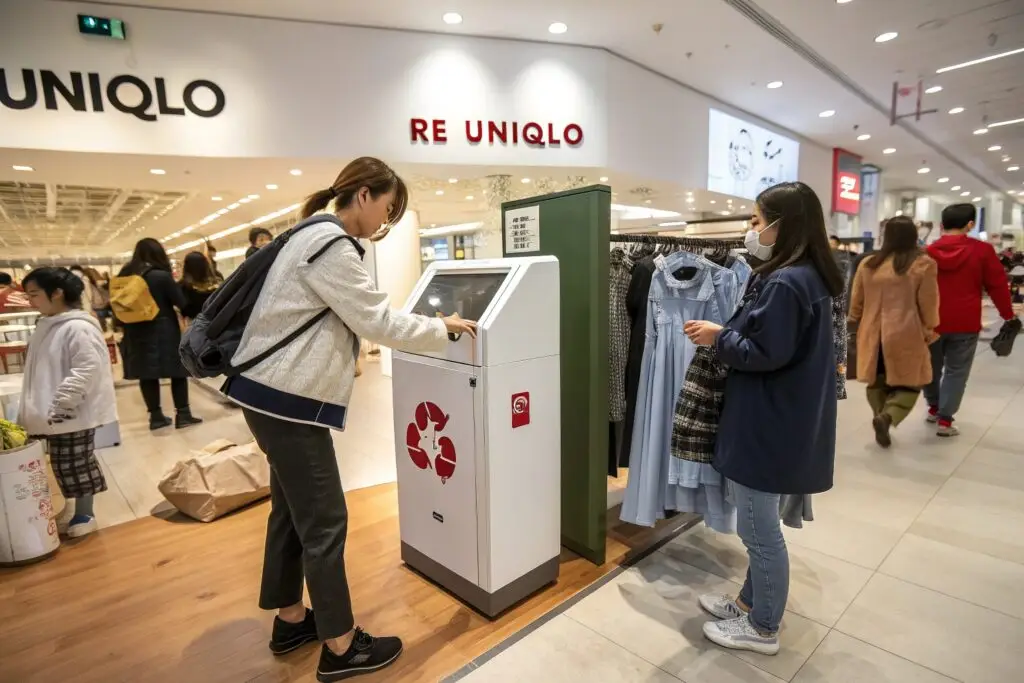
Yes, Uniqlo collects used clothes through its RE.UNIQLO program. They recycle or donate wearable garments to refugees and people in need, reducing textile waste and promoting sustainability.
What happens to clothes donated to Uniqlo?
Uniqlo sorts used garments into three categories: donations, recycling, and repurposing. Wearable items are donated to refugee camps and disaster-stricken areas, while non-wearable clothing is recycled into insulation and fuel.
This initiative not only helps the environment but also strengthens their brand image as a responsible fashion retailer.
Is Uniqlo’s recycling program just marketing?
Unlike some brands that use sustainability as a buzzword, Uniqlo has a transparent process. They collaborate with the United Nations High Commissioner for Refugees (UNHCR) to ensure that donated clothes reach the right communities. Their commitment to circular fashion gives them an edge over competitors.
Conclusion
Uniqlo’s ability to sell affordable yet quality clothing comes down to its efficient business model. By controlling production, working with long-term suppliers, and investing in innovative fabrics, they keep costs low without sacrificing durability. Their sustainability efforts further enhance their brand value. Understanding their strategies can help clothing business owners optimize their own operations.