Apple has built a global reputation for innovation, premium design, and seamless user experience. But what makes Apple so efficient and dominant in the tech industry? The answer lies in its strategic control over its supply chain.
Apple is a vertically integrated company, meaning it owns and controls multiple stages of its supply chain. From designing its own chips to managing retail stores, Apple minimizes reliance on third-party suppliers to optimize efficiency, innovation, and product quality.
Understanding Apple’s vertical integration strategy sheds light on how the company maintains its competitive edge, maximizes profits, and continuously delivers groundbreaking technology.
How Apple Controls Its Supply Chain Through Vertical Integration
Apple’s ability to deliver industry-leading products consistently is no accident. It’s a result of careful control over its supply chain, eliminating inefficiencies and ensuring top-tier quality.
Apple maintains control over its supply chain by designing its own hardware and software, owning key manufacturing processes, and managing its global retail operations. This approach minimizes dependency on external suppliers and optimizes performance.

In-House Chip Design & Manufacturing Partnerships
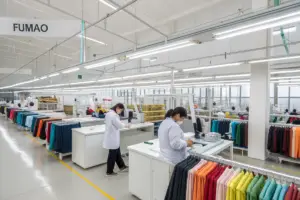
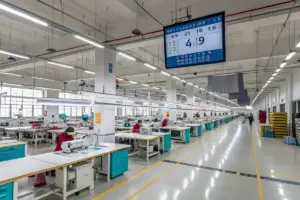
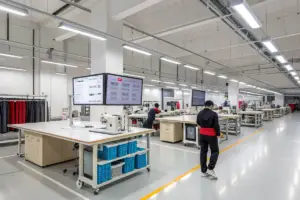
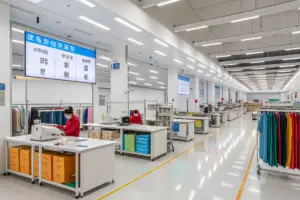
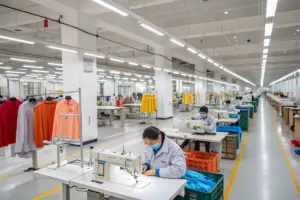
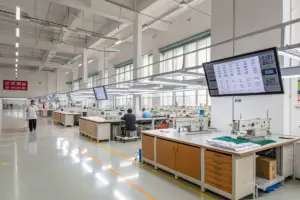
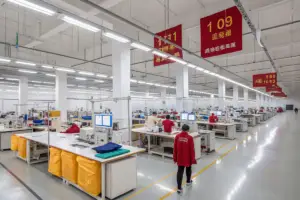
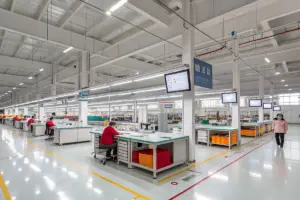
Apple’s shift to custom silicon, such as the M1 and M2 chips, is a prime example of vertical integration. By designing its own processors, Apple no longer relies on Intel, ensuring better optimization for macOS and iOS devices. Additionally, while Apple doesn’t manufacture most of its components, it exercises significant control over production through exclusive agreements with suppliers like TSMC for chips and Foxconn for assembly.
Direct-to-Consumer Retail Model
Apple’s retail stores and online platforms allow it to sell products directly to consumers, bypassing third-party retailers. This enhances customer experience and increases profit margins.
Key Benefits of Apple’s Vertical Integration Strategy
Why does Apple invest heavily in vertical integration? The advantages extend beyond cost savings.
Apple’s vertical integration strategy leads to cost control, enhanced product quality, seamless user experience, and faster innovation cycles. By reducing reliance on third-party suppliers, Apple mitigates supply chain risks and maximizes profitability.
Cost Control & Seamless Ecosystem
By designing its own components and selling directly to consumers, Apple reduces expenses associated with third-party licensing and retail markups, leading to higher profit margins. Additionally, Apple products work together effortlessly because the company controls both hardware and software development, ensuring optimal performance and a consistent user experience.
Supply Chain Resilience & Faster Innovation
Vertical integration gives Apple greater control over its suppliers, helping mitigate risks like component shortages and production delays. The company strategically diversifies suppliers to maintain stability. Furthermore, since Apple designs its own hardware and software, it can quickly implement new technologies without waiting for third-party advancements, accelerating innovation cycles.
Apple vs. Competitors: Who Owns More of Their Value Chain?
How does Apple’s vertical integration compare to competitors like Samsung, Google, and Microsoft?
Apple’s vertical integration surpasses most competitors, as it designs its own chips, software, and retail operations. Samsung is also highly integrated, manufacturing its own displays and processors, while Google and Microsoft rely more on third-party suppliers.

Apple vs. Samsung: The Battle of Integration
Samsung is Apple’s closest competitor in vertical integration. Unlike Apple, Samsung manufactures its own processors, displays, and batteries, giving it more control over hardware production. However, Apple differentiates itself through its deep software-hardware integration, ensuring an unmatched user experience.
Google and Microsoft’s Approach to Vertical Integration
Google and Microsoft rely heavily on third-party manufacturers. While Google has started developing its own Tensor chips, it still outsources production. Microsoft, on the other hand, focuses on software and cloud services, leaving hardware manufacturing to external partners.
| Company | Chip Design | OS Development | Device Manufacturing | Retail Stores |
|---|---|---|---|---|
| Apple | Yes | Yes | No (Partners with Foxconn) | Yes |
| Samsung | Yes | Yes | Yes | Yes |
| Partial (Tensor Chips) | Yes | No (Relies on third parties) | No | |
| Microsoft | No | Yes | No | Limited |
How Vertical Integration Fuels Apple’s Market Dominance
Apple’s stronghold in the tech industry is a direct result of its control over its supply chain and ecosystem.
Apple’s vertical integration allows it to set industry trends, maintain brand exclusivity, and dictate pricing strategies. This level of control ensures Apple remains highly competitive against rivals who rely more on third-party suppliers.

Exclusive Ecosystem & Customer Loyalty
By integrating hardware, software, and services, Apple creates an ecosystem that locks in customers. Features like iCloud, AirDrop, and Handoff work seamlessly across devices, making it harder for users to switch to competitors.
Pricing Power & Profit Margins
Apple’s control over design, manufacturing, and distribution enables it to set premium prices while maintaining high-profit margins. By minimizing outsourcing, Apple retains more revenue per device sold.
Conclusion
Apple’s success is deeply rooted in its vertical integration strategy. By controlling hardware, software, and retail distribution, Apple ensures efficiency, quality, and profitability. Compared to competitors, Apple’s approach allows for faster innovation and a more seamless user experience. As technology evolves, Apple’s commitment to vertical integration will likely continue driving its market dominance.