When I first considered custom printing apparel, I was confused about the process. Misunderstanding custom printing led me to costly errors, like choosing wrong methods and poor-quality results. So, what exactly is custom printing on apparel?
Custom printing on apparel involves creating personalized designs or artwork and transferring them onto clothing items such as T-shirts, hoodies, hats, and uniforms. Popular techniques include screen printing, DTG printing, embroidery, sublimation, and heat transfer, allowing brands or individuals to create unique clothing.
Understanding custom printing clearly helps avoid costly mistakes and ensures high-quality outcomes. Let’s explore exactly what custom printing means, what custom apparel involves, and how the process of custom T-shirt printing works.
What Does Custom Printing Mean?
In the beginning, I wasn’t clear about what “custom printing” actually meant. This confusion caused me problems when placing orders and resulted in unsatisfied customers. Clearly understanding custom printing helped solve these issues.
Custom printing means transferring personalized artwork, text, logos, or graphics onto clothing or merchandise using specific printing methods. It allows businesses and individuals to express their identity, brand, or creativity uniquely through apparel items such as T-shirts, hats, jackets, and accessories.
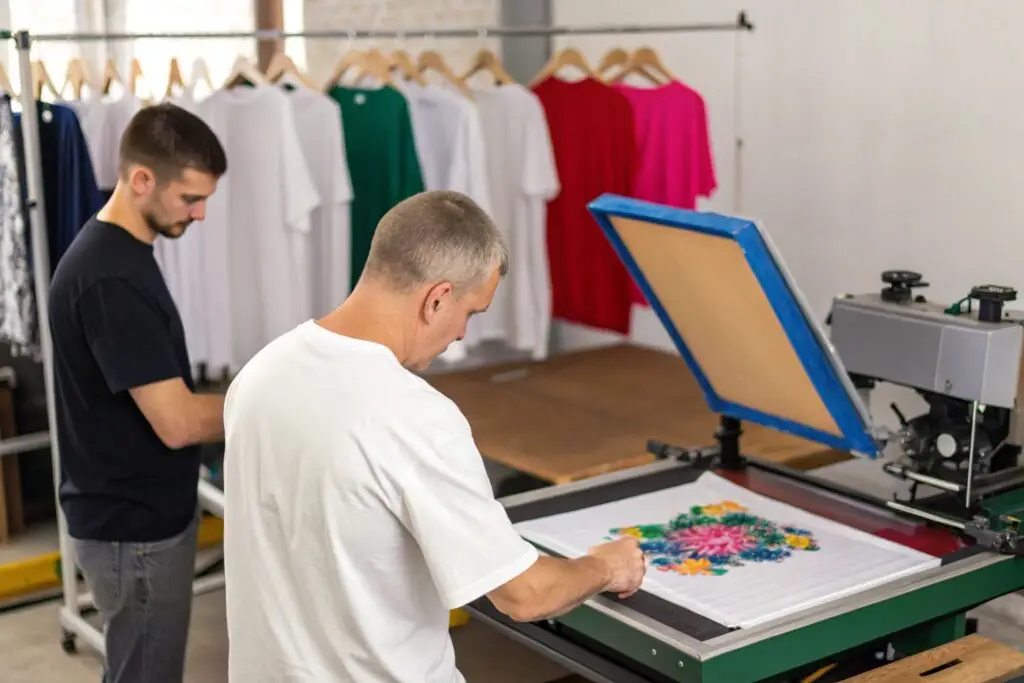
What makes custom printing unique compared to regular printing?
Custom printing differs significantly from standard apparel printing because:
- Personalization: Designs and artwork are specifically tailored to the customer’s needs or branding.
- Flexibility: Customers choose colors, designs, fabrics, and print techniques according to their preferences.
- Branding Opportunity: Ideal for businesses to enhance brand visibility and identity.
Popular items for custom printing:
Common items I regularly custom print include:
| Apparel Item | Common Uses | Printing Techniques |
|---|---|---|
| T-shirts | Branding, promotional items | Screen printing, DTG, sublimation |
| Hoodies/Sweatshirts | Events, merchandising | Embroidery, screen printing |
| Hats | Branding, team apparel | Embroidery, heat transfer |
| Uniforms | Corporate identity | Embroidery, screen printing |
What Is the Meaning of Custom Apparel?
Initially, I confused custom apparel with regular clothing lines. This misunderstanding made my early branding efforts ineffective. So, what exactly defines custom apparel?
Custom apparel refers to clothing items designed or modified specifically according to individual preferences, brands, or events. It includes garments like T-shirts, jackets, uniforms, and hats that are uniquely printed, embroidered, or otherwise personalized to reflect specific identity or promotional needs.
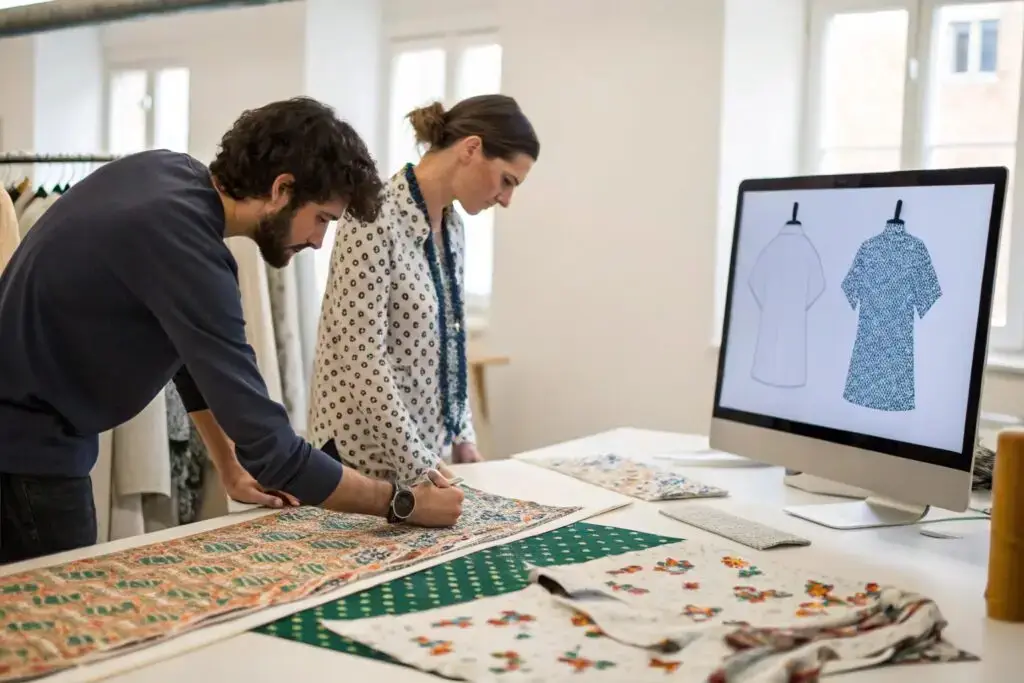
What distinguishes custom apparel from regular clothing?
Custom apparel stands apart from off-the-shelf clothing in key ways:
- Unique Designs: Customized specifically to match a brand, event, or personal style.
- Tailored Options: Customers select specific fabrics, colors, printing methods, and designs.
- Brand Visibility: Businesses effectively use custom apparel to enhance brand awareness.
Typical scenarios for custom apparel use:
Common scenarios where custom apparel excels:
- Promotional Events: Businesses distribute branded apparel to promote products or events.
- Team Apparel: Custom uniforms or gear for sports teams.
- Corporate Branding: Uniforms or clothing with company logos to enhance corporate identity.
- Special Occasions: Personalized apparel for weddings, reunions, or special events.
How Does Custom T-Shirt Printing Work?
When I first tried custom T-shirt printing, I encountered issues with poor quality and delays because I misunderstood the process. Clearly knowing how custom T-shirt printing works has drastically improved my outcomes. So, how exactly does the custom T-shirt printing process work?
Custom T-shirt printing typically involves selecting a design, choosing a printing method (screen printing, DTG, sublimation, or heat transfer), preparing the artwork, transferring the design onto T-shirts using specialized equipment, curing the print, and finally packaging for delivery. Each step significantly influences the quality and durability of the final product.
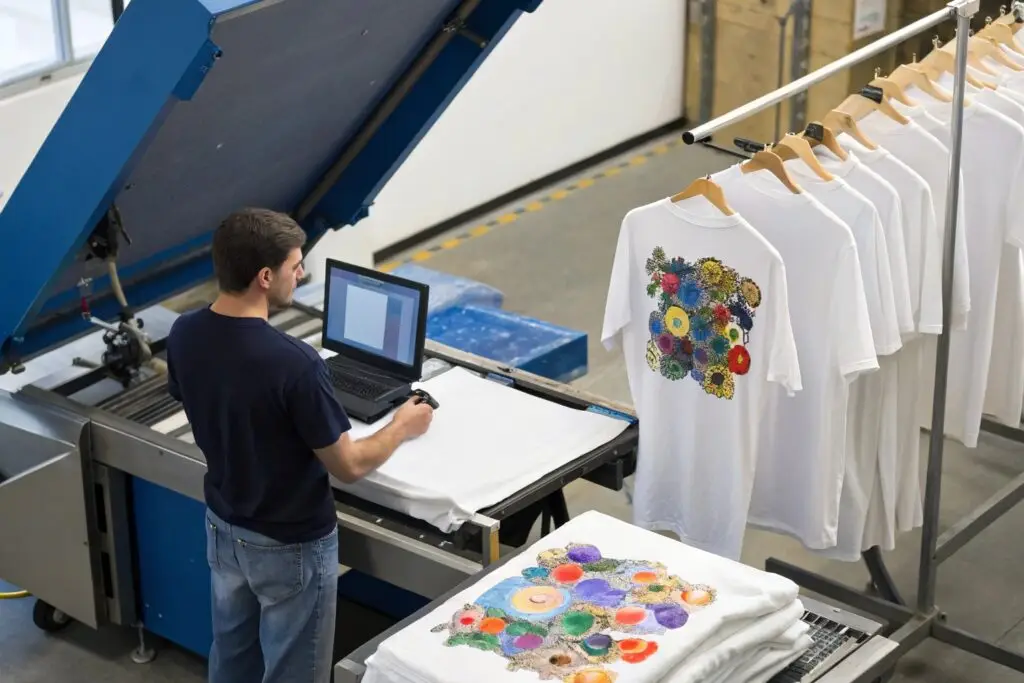
Step-by-step process of custom T-shirt printing:
Here’s a clear breakdown based on my experience:
| Step | Process Description | Importance |
|---|---|---|
| 1 | Design Selection and Preparation | Defines quality and clarity |
| 2 | Choosing Printing Method | Determines durability & cost |
| 3 | Preparing Screens or Digital Files | Crucial for accurate prints |
| 4 | Applying Ink or Transfer onto the Shirt | Determines vibrancy & clarity |
| 5 | Curing or Drying the Print | Ensures lasting durability |
| 6 | Quality Checking & Packaging | Prevents defects & returns |
Why is choosing the right printing method critical?
Choosing the correct method directly affects results:
- Screen Printing: Ideal for bulk, vibrant colors, durable results.
- DTG Printing: Perfect for small runs, detailed images.
- Sublimation: Excellent for polyester fabrics, permanent vibrant prints.
Understanding these differences allows me to match the right method with each job, greatly improving customer satisfaction.
Conclusion
Clearly understanding custom apparel and the custom printing process is vital for producing quality, unique clothing that accurately reflects brand identity. Choosing the right materials, printing methods, and processes ensures customer satisfaction, effective branding, and profitable business outcomes.