Starting a clothing line is exciting, but choosing the right country can be overwhelming. Costs, regulations, and market demand vary greatly. A wrong decision could lead to high expenses and poor sales. So, where is the best place to launch a fashion brand today?
The best country to start a clothing line depends on production costs, logistics, and market demand. China, Vietnam, and Bangladesh lead in manufacturing, while the U.S. and Europe dominate in consumer spending. Balancing production and sales locations is key to success.
Many entrepreneurs struggle with balancing affordable production with strong sales markets. Let’s break down the best countries for launching, selling, and producing a clothing brand.
What is the best country to start a clothing brand?
Finding the perfect location to launch a fashion brand is not just about trends. It’s about infrastructure, costs, and access to skilled labor. Some countries make it easier for businesses to scale fast, while others offer better quality control.
The best country to start a clothing brand depends on budget, supply chain, and market demand. The U.S. and Europe offer strong fashion markets but have high costs. China, Vietnam, and India provide low-cost production and flexible supply chains.

How does business climate affect your clothing brand’s success?
A country’s business climate influences taxes, ease of registration, and supply chain reliability. The U.S. offers strong legal protections but has higher labor costs. China provides low production costs and excellent logistics but may involve more regulatory challenges.
| Country | Business Climate | Cost of Operation | Ease of Scaling |
|---|---|---|---|
| USA | Strong legal protections, high competition | High | Easy |
| China | Favorable to manufacturing businesses | Low | Easy |
| Vietnam | Growing fashion industry | Medium | Moderate |
| India | Competitive labor costs | Low | Moderate |
Understanding these factors helps you decide whether to manufacture and sell in the same country or split operations across different locations.
Should you manufacture and sell in the same country?
Producing and selling in the same country can simplify logistics but may increase costs. U.S.-based brands benefit from local production’s fast delivery, but this comes at a price. On the other hand, brands that produce in China and sell in the U.S. face longer shipping times but higher profit margins.
Which country is the best to sell clothes?
Fashion markets vary widely by region. Some countries have high spending power but stiff competition. Others have emerging markets with fewer competitors but lower average spending per customer.
The best country to sell clothes depends on consumer demand, spending power, and market competition. The U.S., Europe, and China lead in fashion sales, but emerging markets like India and Brazil offer growth opportunities.
Where do people spend the most on fashion?
Consumer spending directly impacts sales success. The U.S. and Europe have high per capita clothing expenses, making them attractive markets. China’s growing middle class is also a major buyer of fashion goods.
| Country | Annual Clothing Spend Per Capita | Market Growth |
|---|---|---|
| USA | $1,833 | Stable |
| UK | $1,200 | Moderate |
| China | $650 | High |
| India | $225 | Very High |
How competitive is the fashion market in top-selling countries?
Highly competitive markets like the U.S. and Europe require strong branding and marketing strategies. While China is competitive, its online retail dominance through platforms like Tmall and JD.com makes digital marketing essential.
Which country is best for producing clothes?
Sourcing quality apparel at a reasonable cost is crucial for profitability. Countries with strong manufacturing infrastructure and skilled labor offer the best production opportunities.
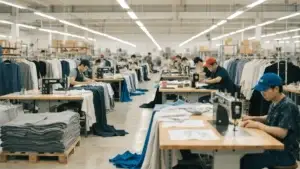
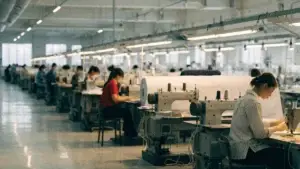
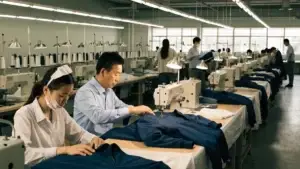
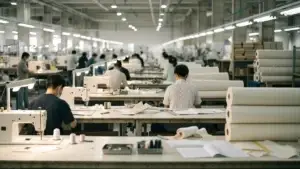
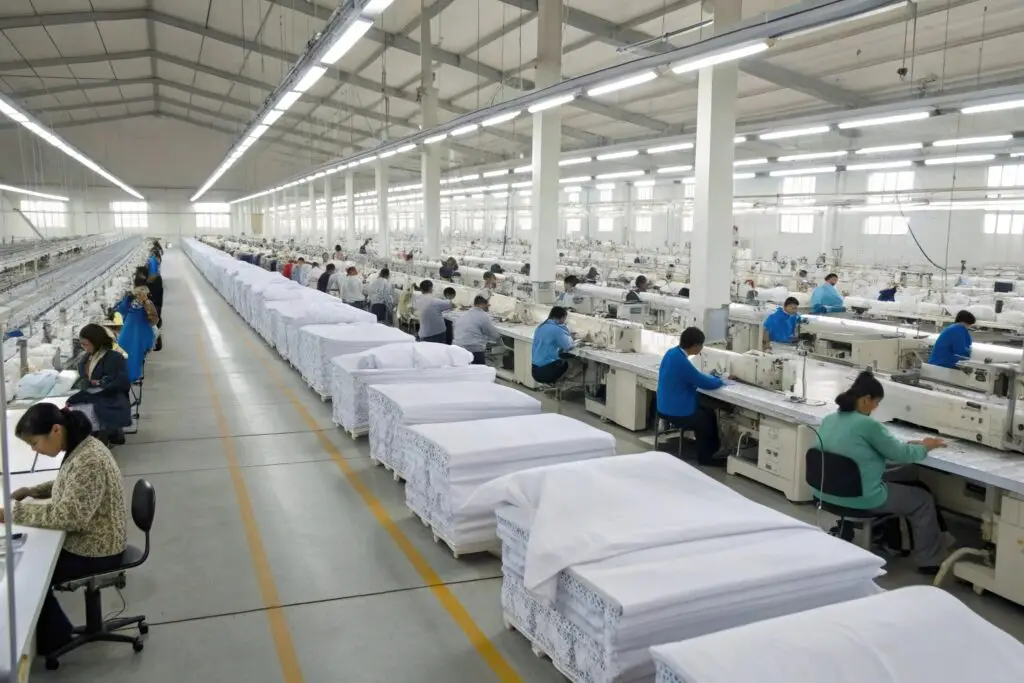
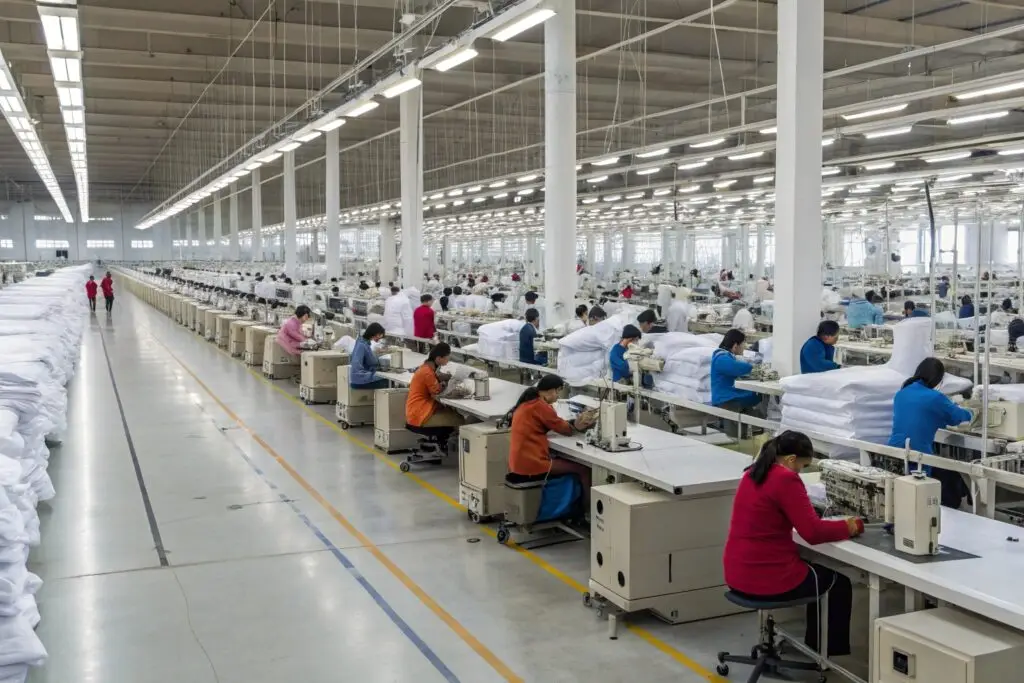
China, Bangladesh, and Vietnam lead in clothing production due to low costs, skilled labor, and supply chain efficiency. However, India and Turkey provide high-quality alternatives with different advantages.
Which country offers the best cost-to-quality ratio?
China remains the leader in production due to its established infrastructure. Bangladesh offers the lowest costs, but quality control can be challenging. Vietnam and India strike a balance between affordability and craftsmanship.
| Country | Labor Cost | Quality | Speed of Production |
|---|---|---|---|
| China | Low | High | Fast |
| Bangladesh | Very Low | Medium | Moderate |
| Vietnam | Low | High | Fast |
| India | Medium | High | Moderate |
How does logistics impact clothing production?
Manufacturing location affects shipping costs and delivery times. China and Vietnam benefit from well-developed ports, making global exports easier. India and Bangladesh may have lower costs but face longer shipping times.
Which country is best for clothing?
Choosing the best country for a clothing business depends on multiple factors: manufacturing, sales, and supply chain efficiency. No single country excels in every area, so balancing priorities is key.
China is the best for production, the U.S. leads in fashion retail, and emerging markets like India offer long-term growth. Successful brands often use a hybrid approach—manufacturing in Asia while selling in Western markets.

Can you balance quality, cost, and logistics in one country?
Some brands prioritize speed over cost, opting for local production in high-demand markets. Others maximize profit by manufacturing in Asia and selling globally. Finding the right balance requires evaluating costs, lead times, and target customers.
| Factor | Best Country |
|---|---|
| Production Cost | Bangladesh |
| Quality Control | China |
| Market Demand | USA |
| Growth Potential | India |
What is the best global strategy for a clothing brand?
A successful clothing brand often combines multiple countries for production and sales. Many brands manufacture in China or Vietnam, then sell in the U.S. and Europe. This approach ensures cost-efficiency and access to strong consumer markets.
Conclusion
Choosing the right country for a clothing line depends on production costs, market demand, and logistics. The best strategy is often a mix—manufacturing in Asia while targeting high-spending markets like the U.S. and Europe. Evaluating your business needs and market trends will help you make the right decision.