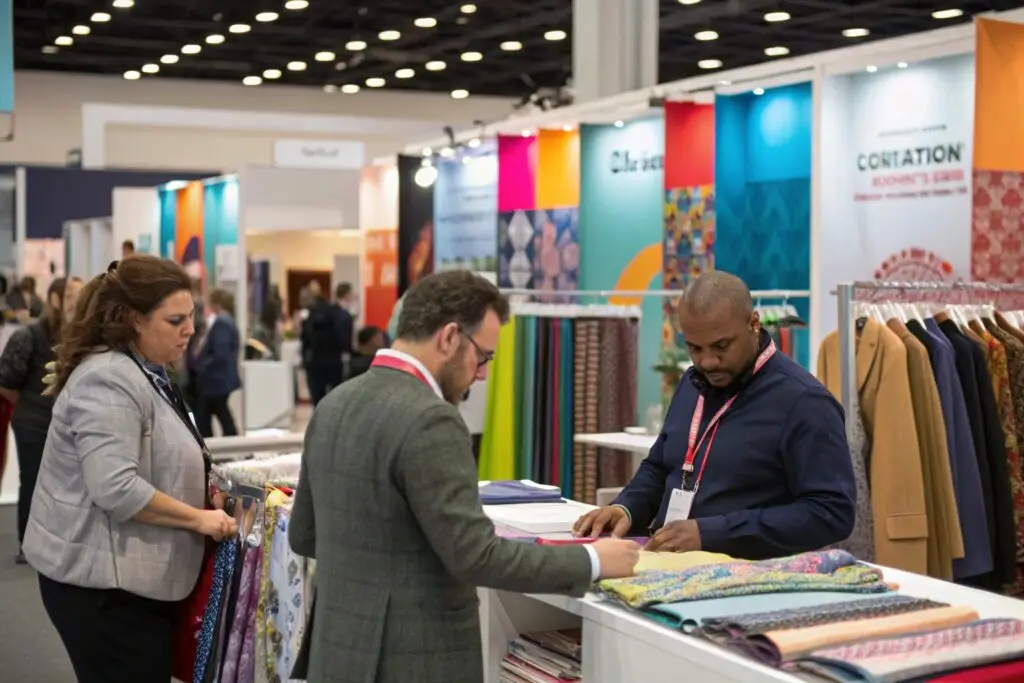
Are you looking for reliable American clothing suppliers to stock your store or start your own clothing brand? The USA is home to a vibrant fashion industry, but finding the right suppliers can be challenging. Let’s explore how to locate suppliers, the costs of starting a clothing brand, and more.
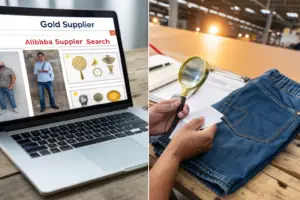
American clothing suppliers can be found through online platforms like Faire, local trade shows, or by partnering with manufacturers like Fumao Clothing. These suppliers offer a mix of quality, affordability, and trend-driven designs to meet your business needs.
Now that we’ve introduced the topic, let’s dive deeper into the costs of starting a clothing brand, sourcing strategies, and how to launch your clothing line.
How Much Does It Cost to Start a Clothing Brand in the USA?
Starting a clothing brand in the USA involves various costs, but what should you expect?
The cost to start a clothing brand in the USA can range from $500 to $50,000 or more, depending on factors like production, marketing, and distribution. Small brands can start with low minimum order quantities (MOQs) from suppliers like Fumao Clothing to keep costs manageable.
What Are the Major Costs Involved?
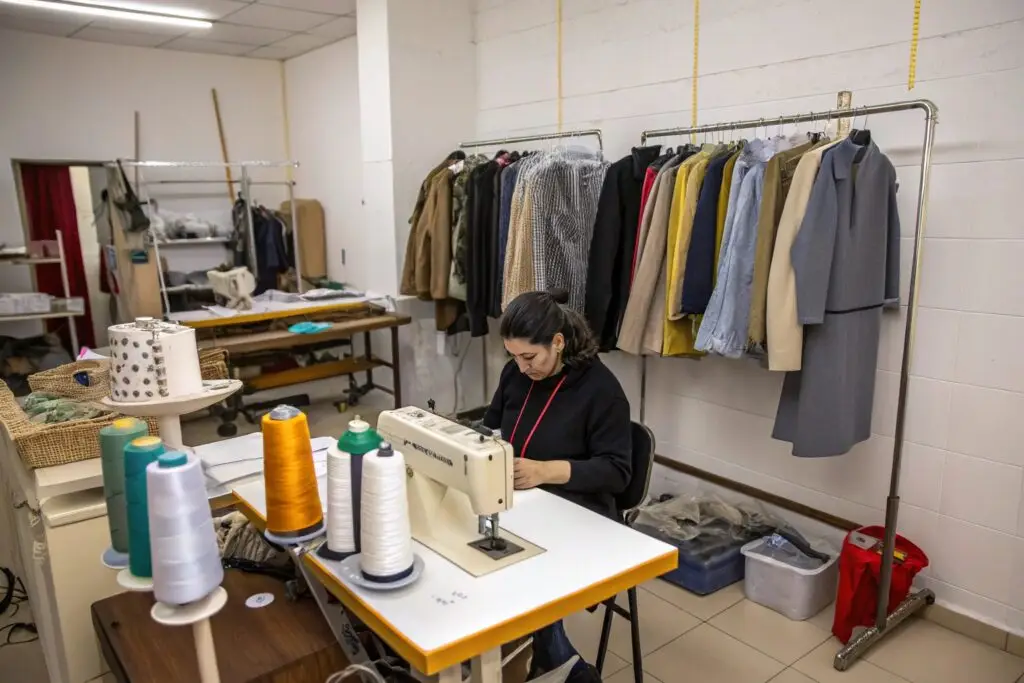
The major costs of starting a clothing brand include:
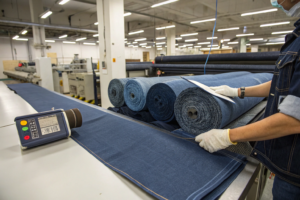
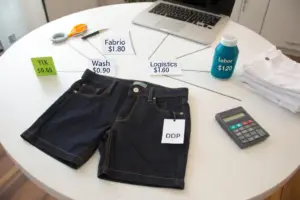
- Production Costs1: This includes fabric, labor, and manufacturing. Suppliers like Fumao Clothing offer competitive pricing and low MOQs to help startups manage costs.
- Marketing and Branding2: Building a brand identity through logos, packaging, and advertising can cost anywhere from $1,000 to $10,000.
- Distribution and Logistics3: Shipping and storage costs vary depending on the scale of your operations. Fumao Clothing’s DDP (Delivered Duty Paid) mode simplifies logistics by handling customs and taxes.
How Can You Minimize Startup Costs?
To minimize startup costs, consider:
- Starting with a small collection and scaling up as your brand grows.
- Using platforms like Faire and Fumao Clothing to access affordable wholesale options.
- Leveraging social media for low-cost marketing and brand building.
Where Do Americans Buy Clothes?
Understanding where Americans buy clothes can help you identify the best sales channels for your brand.
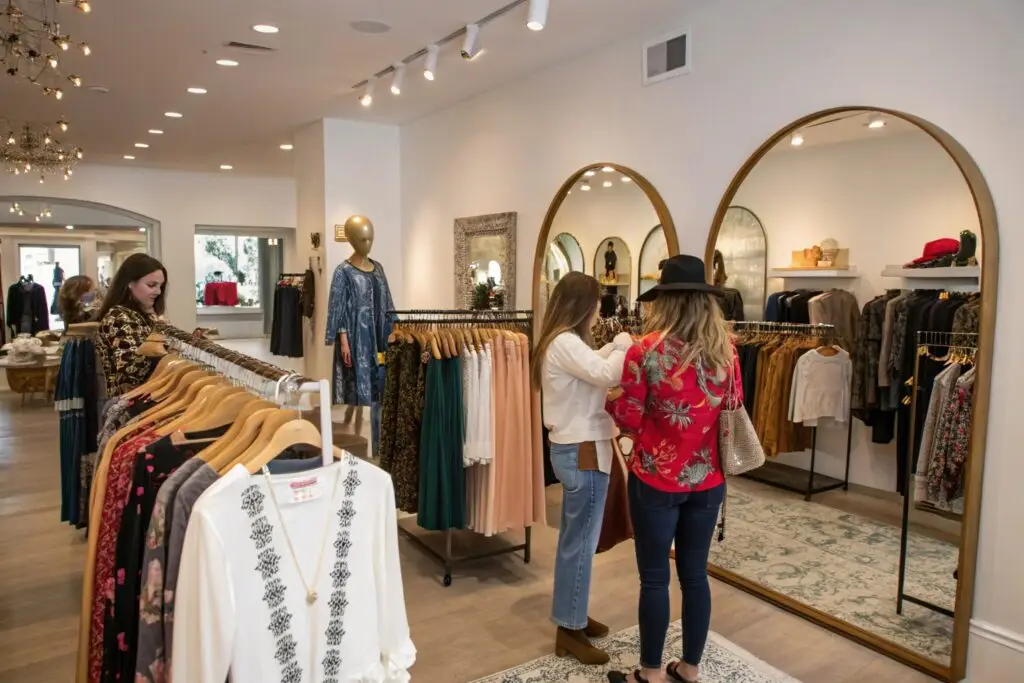
Americans buy clothes from a mix of online retailers, department stores, and boutique shops. Popular options include Amazon, Walmart, and independent boutiques. Online platforms like Faire and Fumao Clothing also cater to small businesses looking to stock trendy apparel.
Why Are Online Retailers Popular in the USA?
Online retailers like Amazon and ASOS offer convenience, competitive pricing, and a wide range of products. They are ideal for brands looking to reach a broad audience without the overhead costs of physical stores.
How Do Boutiques Stand Out in the Market?
Boutiques offer unique, curated collections4 that appeal to niche markets. They often source from wholesalers or independent designers to provide exclusive products. Platforms like Faire and Fumao Clothing make it easy for boutiques to find trendy and affordable wholesale options5.
How Do I Start a Clothing Line in the US?
Starting a clothing line in the US requires careful planning and execution. Here’s how to get started.
To start a clothing line in the US, follow these steps: research your target market, design your collection, find reliable suppliers like Fumao Clothing, and create a marketing strategy. Focus on building a strong brand identity and delivering high-quality products.
How to Design Your First Collection?
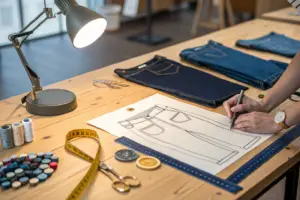
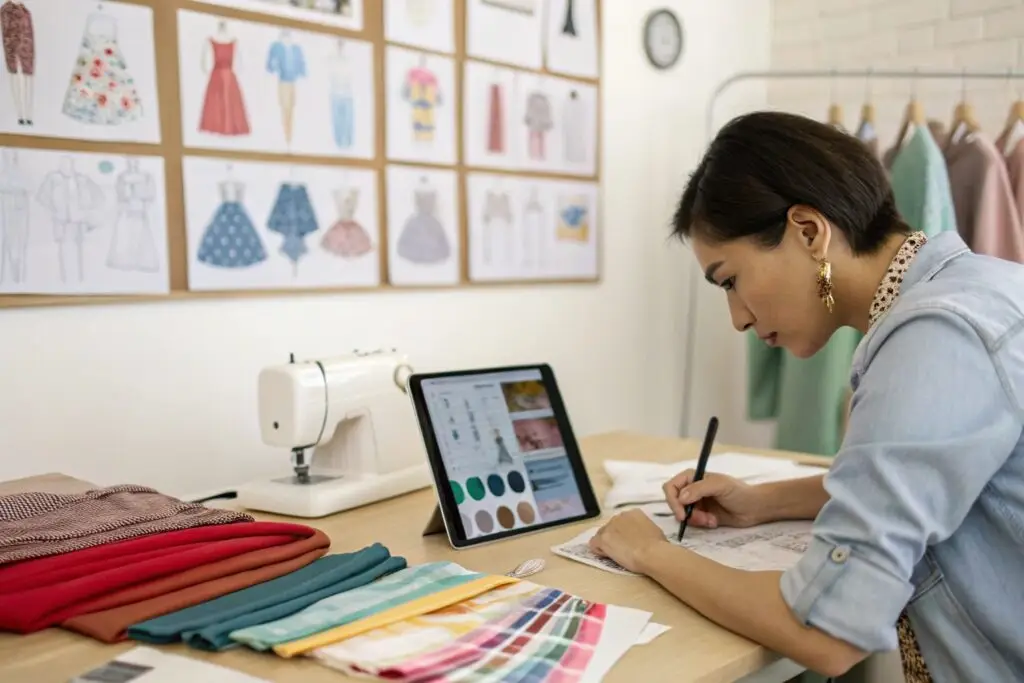
Start by identifying your target audience6 and their preferences. Create a cohesive collection that reflects your brand’s aesthetic. Work with suppliers like Fumao Clothing to produce high-quality samples7 and final products.
What Are the Key Steps to Launching Your Brand?
The key steps to launching your clothing line include:
- Market Research: Understand your target audience and competitors.
- Design and Production: Create your collection and partner with reliable suppliers.
- Branding and Marketing: Develop a strong brand identity8 and promote your products through social media and other channels.
- Sales and Distribution: Choose the right sales channels, whether online, in-store, or both.
Where Do Most Clothing Stores Get Their Clothes?
Ever wondered where your favorite clothing stores source their inventory? Let’s uncover the secrets of the industry.
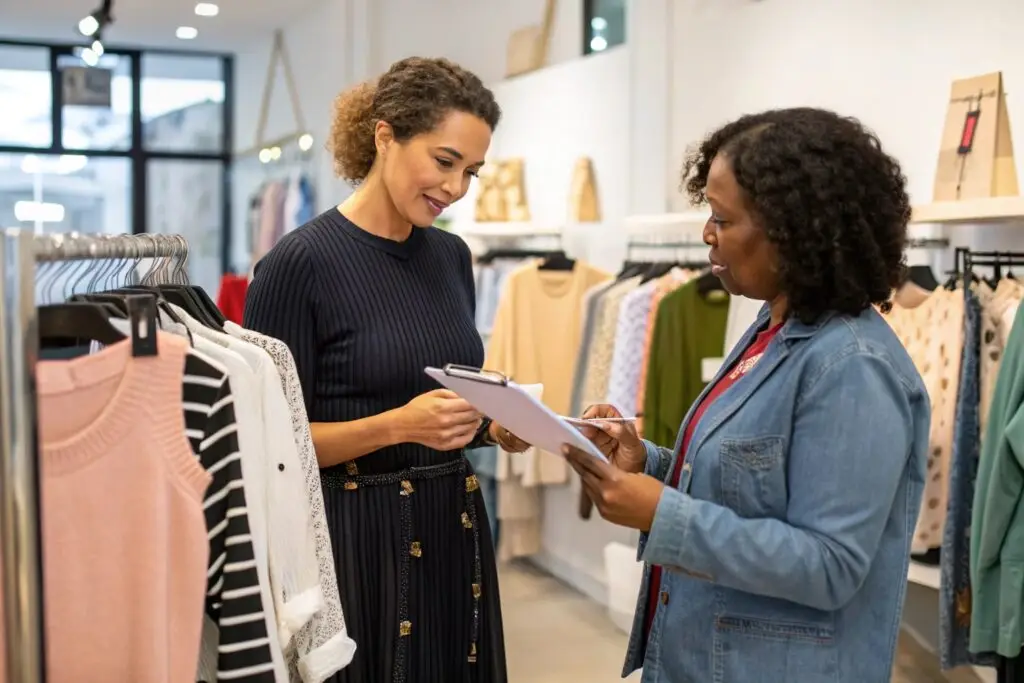
Most clothing stores source their clothes from a mix of manufacturers, wholesalers, and private-label suppliers. Large retailers often work directly with manufacturers, while smaller boutiques rely on wholesalers or online platforms like Fumao Clothing.
How Do Large Retailers Source Their Clothes?
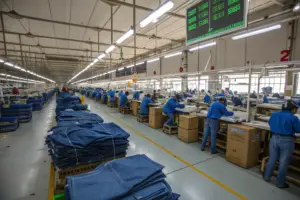
Large retailers like Walmart and Target often collaborate directly with manufacturers to produce private-label collections9. This approach allows them to control costs, quality, and design. They may also source from multiple suppliers to diversify their inventory.
Where Do Small Boutiques Get Their Inventory?
Small boutiques typically rely on wholesalers or online platforms like Faire and Fumao Clothing. These platforms offer low minimum order quantities (MOQs)10 and trendy products, making them ideal for small businesses. Boutiques may also collaborate with local designers11 to offer unique, handmade items.
Conclusion
Finding American clothing suppliers and starting a clothing brand in the USA requires careful research and planning. Whether you’re sourcing from Fumao Clothing, launching your own line, or stocking a boutique, the key is to focus on quality, affordability, and brand identity. By following these steps, you can build a successful and profitable clothing business.
-
Understanding production costs is crucial for budgeting effectively when launching your clothing brand. Explore this link for detailed insights. ↩
-
Budgeting for marketing and branding is essential for your brand's success. This resource will provide valuable budgeting tips and strategies. ↩
-
Effective distribution and logistics can significantly impact your brand's efficiency. Discover best practices to streamline your operations. ↩
-
Discover how curated collections can enhance shopping experiences and attract niche markets, making boutiques stand out. ↩
-
Learn about the top wholesale options available for boutiques to source unique products and stay competitive. ↩
-
Exploring this resource will help you grasp how knowing your audience can shape your collection and marketing strategies. ↩
-
This link will provide insights into best practices for producing high-quality samples, crucial for a successful clothing line. ↩
-
Discovering strategies for brand identity will enhance your marketing efforts and help your brand stand out in a competitive market. ↩
-
Understanding private-label collections can provide insights into how large retailers maintain quality and cost control in their clothing lines. ↩
-
Exploring MOQs can help small business owners find cost-effective ways to stock their boutiques with trendy items. ↩
-
Learning about collaborations with local designers can inspire unique offerings and strengthen community ties for small boutiques. ↩