Finding a reliable European manufacturer for garments can be challenging, especially for businesses looking for quality, sustainability, and competitive pricing. The process requires thorough research, supplier vetting, and strong communication strategies.
To find European manufacturers, use online directories, attend trade shows, and work with sourcing agents. Countries like Portugal, Italy, and Turkey are top choices for apparel manufacturing due to their craftsmanship and sustainable production practices.
Understanding how to locate and evaluate manufacturers will help businesses establish strong supply chains and maintain high-quality standards.
How Can I Find Where a Garment Product Is Manufactured?
If you’re sourcing garments or analyzing competitors, identifying the manufacturer of a specific product can provide valuable insights. Many brands work with private-label manufacturers, making it challenging to trace production origins.
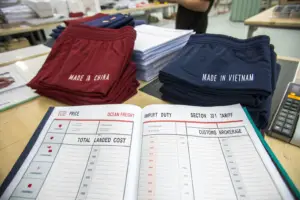
To find out where a garment is manufactured, check clothing labels, research import records, and use supplier directories. Tools like the Open Apparel Registry and customs databases can reveal manufacturing sources.

What Are the Best Ways to Track a Manufacturer?
Here are effective methods for tracing garment manufacturers:
- Check the Care Label – Country of origin is often listed.
- Analyze HS Code Import Records – Public trade data can provide supplier details.
- Use Supplier Directories1 – Platforms like Europages, Kompass, and Alibaba list manufacturers.
- Network at Trade Shows2 – Events like Texworld Paris and Première Vision connect buyers with suppliers.
- Reverse Engineer Competitor Products3 – Work with sourcing specialists to track supply chains.
By using these methods, businesses can better understand where and how garments are made.
How Do I Set Up a European Apparel Company?
Starting an apparel brand in Europe involves various steps, including business registration, supplier sourcing, and compliance with EU regulations.
To establish a European apparel company, register your business, select a reliable manufacturer, ensure compliance with EU textile laws, and develop a strong distribution strategy.
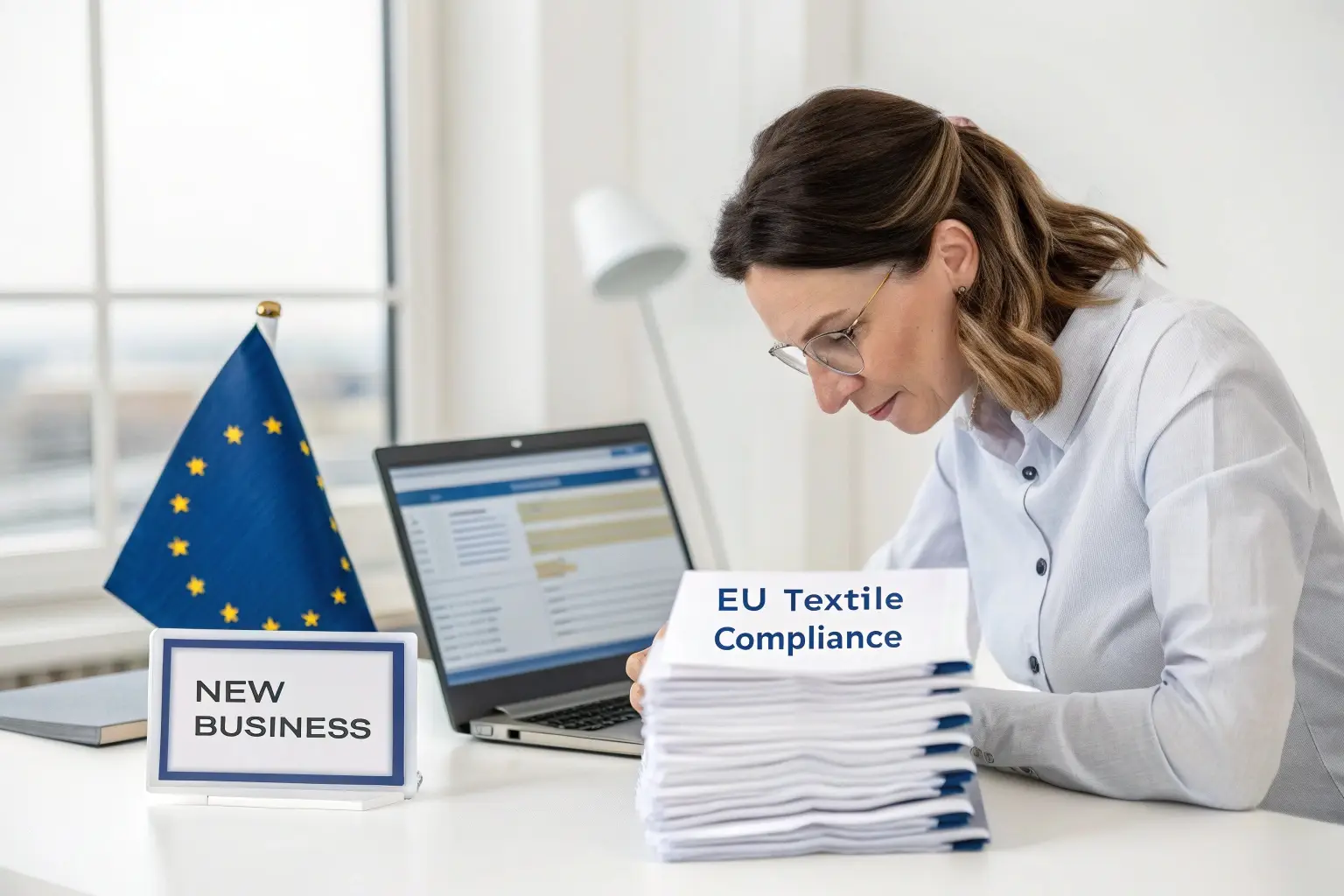
What Are the Key Steps to Launching an Apparel Business in Europe?
| Step | Description |
|---|---|
| Business Registration | Register the company in an EU country. |
| Finding Suppliers | Source manufacturers that align with brand values. |
| Compliance & Regulations | Meet EU textile safety and sustainability laws. |
| Brand Development | Create a strong visual identity and product line. |
| Marketing & Sales | Set up e-commerce platforms and retail partnerships. |
Understanding these key aspects will ensure a smooth business launch in the European fashion industry.
What Are the Legal Requirements for Selling Apparel in Europe?
Compliance with EU regulations is essential for legal operations. Key areas to consider:
- Textile Labeling Laws4 – Must include fiber composition, care instructions, and country of origin.
- Chemical Safety Standards5 – REACH regulations control the use of hazardous substances in textiles.
- Sustainability Compliance – Many brands follow GOTS (Global Organic Textile Standard)6 for eco-friendly production.
Ensuring legal compliance protects businesses from fines and enhances brand credibility.
How Do I Reach Out to Apparel Suppliers?
Approaching apparel manufacturers the right way can make a huge difference in building successful partnerships. Professional communication and clear expectations are key.
To reach out to apparel suppliers, prepare a well-structured inquiry, specify your production requirements, and establish clear quality expectations. Professionalism and transparency will help secure better pricing and collaboration.

What Should Be Included in a Supplier Inquiry?
When contacting suppliers, ensure your message is clear and professional. Here’s a sample format:
- Introduce Your Business – Share your company name and target market.
- Specify Product Details – Fabric type, design specifications, and MOQ (Minimum Order Quantity7).
- Request Pricing & Lead Times – Get a quote based on order volume.
- Ask About Certifications – Ensure compliance with quality standards.
- Request Samples – Evaluate product quality before committing.
A well-structured inquiry increases the chances of a positive supplier response.
How Can You Build a Long-Term Relationship With Suppliers?
Strong supplier relationships lead to better pricing and reliable service. Tips to maintain a good partnership:
- Maintain Clear Communication – Regular updates on production progress.
- Negotiate Favorable Terms – Discuss pricing, lead times, and order flexibility.
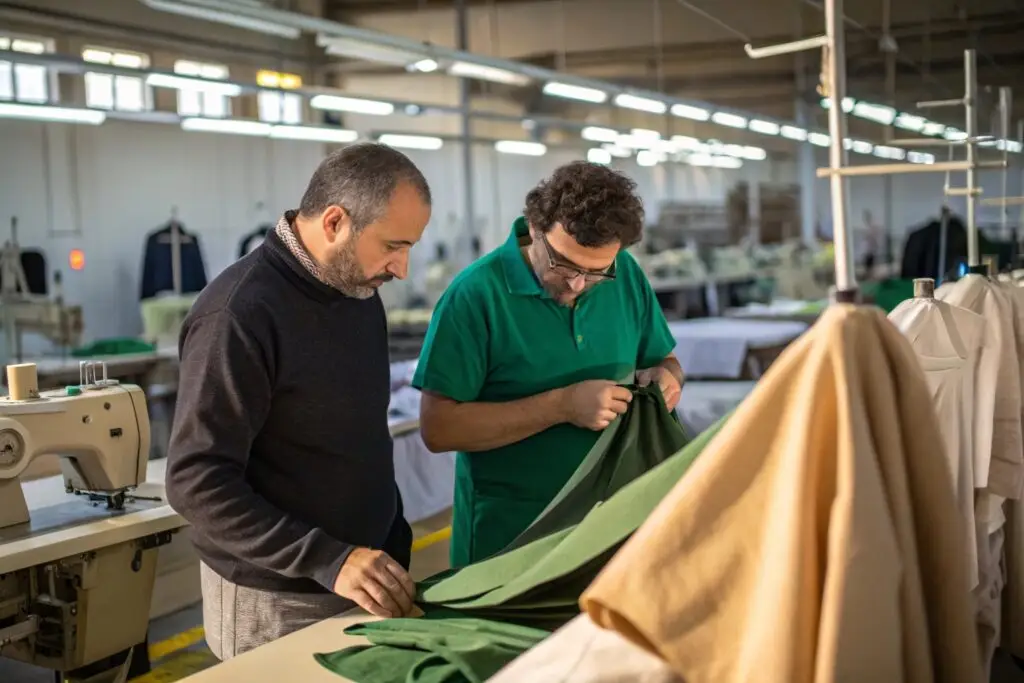
- Visit Factories When Possible – Builds trust and ensures transparency.
- Develop a Payment Plan – Secure favorable payment terms to maintain cash flow.
Building trust with suppliers leads to long-term business success.
How to Find an Apparel Supplier in China?
Many European brands source garments from China due to cost efficiency and large production capacity. However, finding the right supplier requires careful vetting.
To find an apparel supplier in China, use platforms like Alibaba and Made-in-China, attend sourcing fairs, and work with sourcing agents who specialize in the Chinese textile industry.

What Are the Best Ways to Source Suppliers in China?
| Method | Benefits |
|---|---|
| Alibaba & Made-in-China8 | Access to thousands of verified suppliers. |
| Canton Fair & Intertextile Shanghai9 | Meet manufacturers in person. |
| Sourcing Agents | Local experts help verify suppliers. |
| Factory Visits | Ensures product quality and compliance. |
Combining online research with offline verification ensures reliable supplier selection.
What Are the Risks of Sourcing Apparel From China?
While China offers cost-effective manufacturing, businesses should be aware of potential challenges:
- Quality Control Issues10 – Always request samples before placing bulk orders.
- MOQ Requirements – Many factories require large minimum orders.
- Production Delays – Account for potential shipping and manufacturing delays.
- Intellectual Property Risks – Work with legally protected designs to avoid copying.
By managing these risks effectively, businesses can take full advantage of China’s strong manufacturing sector.
Conclusion
Finding European manufacturers requires research, industry connections, and a solid supplier vetting process. Whether sourcing locally or from China, businesses should focus on quality, compliance, and strong supplier relationships. Using online directories, trade fairs, and sourcing agents helps streamline the process and ensures successful production partnerships.
-
Explore this link to discover comprehensive directories that can connect you with reliable manufacturers globally. ↩
-
Learn about key trade shows that can help you network and find quality suppliers in the garment industry. ↩
-
This resource will guide you on effectively analyzing competitors to trace their supply chains and manufacturers. ↩
-
Understanding textile labeling laws is crucial for compliance and can prevent legal issues, ensuring your business operates smoothly in Europe. ↩
-
Learning about chemical safety standards will help you ensure your products are safe and compliant, protecting your brand and customers. ↩
-
Exploring GOTS will help you understand eco-friendly production standards, enhancing your brand's credibility and sustainability efforts. ↩
-
Understanding MOQ is crucial for effective supplier negotiations and ensuring you meet their requirements. ↩
-
Explore how Alibaba and Made-in-China can connect you with verified suppliers, enhancing your sourcing strategy. ↩
-
Discover the benefits of meeting manufacturers in person at these major trade fairs to build strong supplier relationships. ↩
-
Learn effective strategies to ensure product quality and avoid common pitfalls in sourcing apparel from China. ↩