PANGAIA has gained global recognition for its commitment to sustainable fashion. Many consumers are curious about where and how its products are made. Unlike traditional fashion brands, PANGAIA operates as a materials science company, focusing on innovation and sustainability.
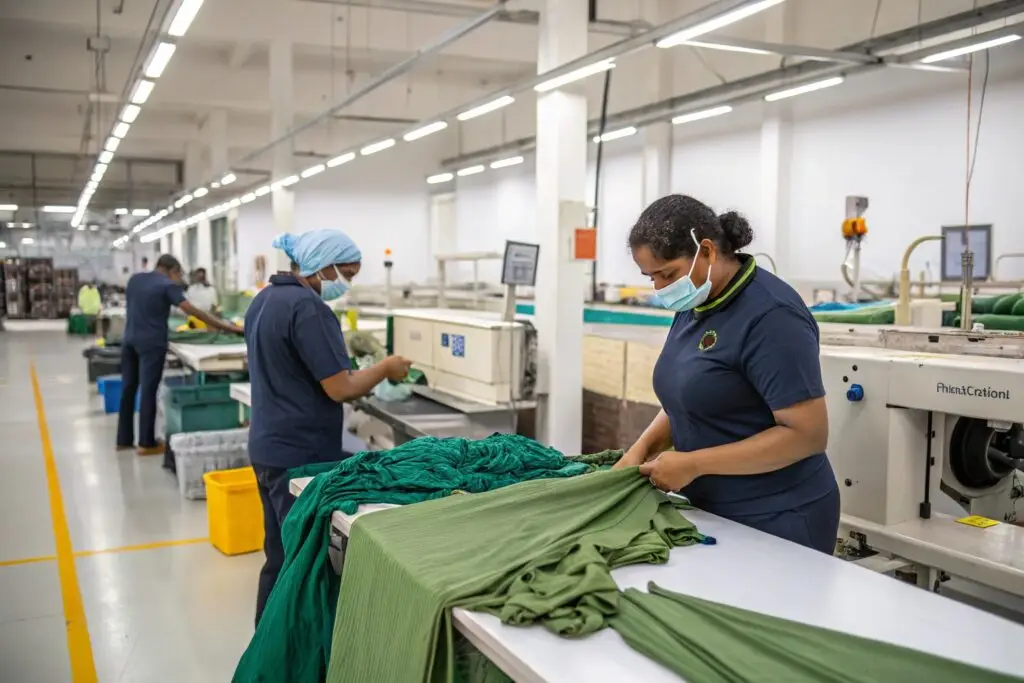
PANGAIA collaborates with a network of global suppliers and manufacturers to produce its garments. The company partners with factories that adhere to high ethical and environmental standards, though it does not publicly disclose all its manufacturing locations.
Understanding PANGAIA’s production model helps consumers make informed decisions about sustainable fashion choices.
Where Is PANGAIA Manufactured?
PANGAIA sources materials and manufactures its products through various global partnerships. Sustainability remains a core priority in its production process.
PANGAIA clothing is manufactured in different countries, including Portugal, Italy, and Turkey. The brand works with sustainable factories that comply with ethical labor standards and environmental policies.
What Makes PANGAIA's Manufacturing Process Unique?
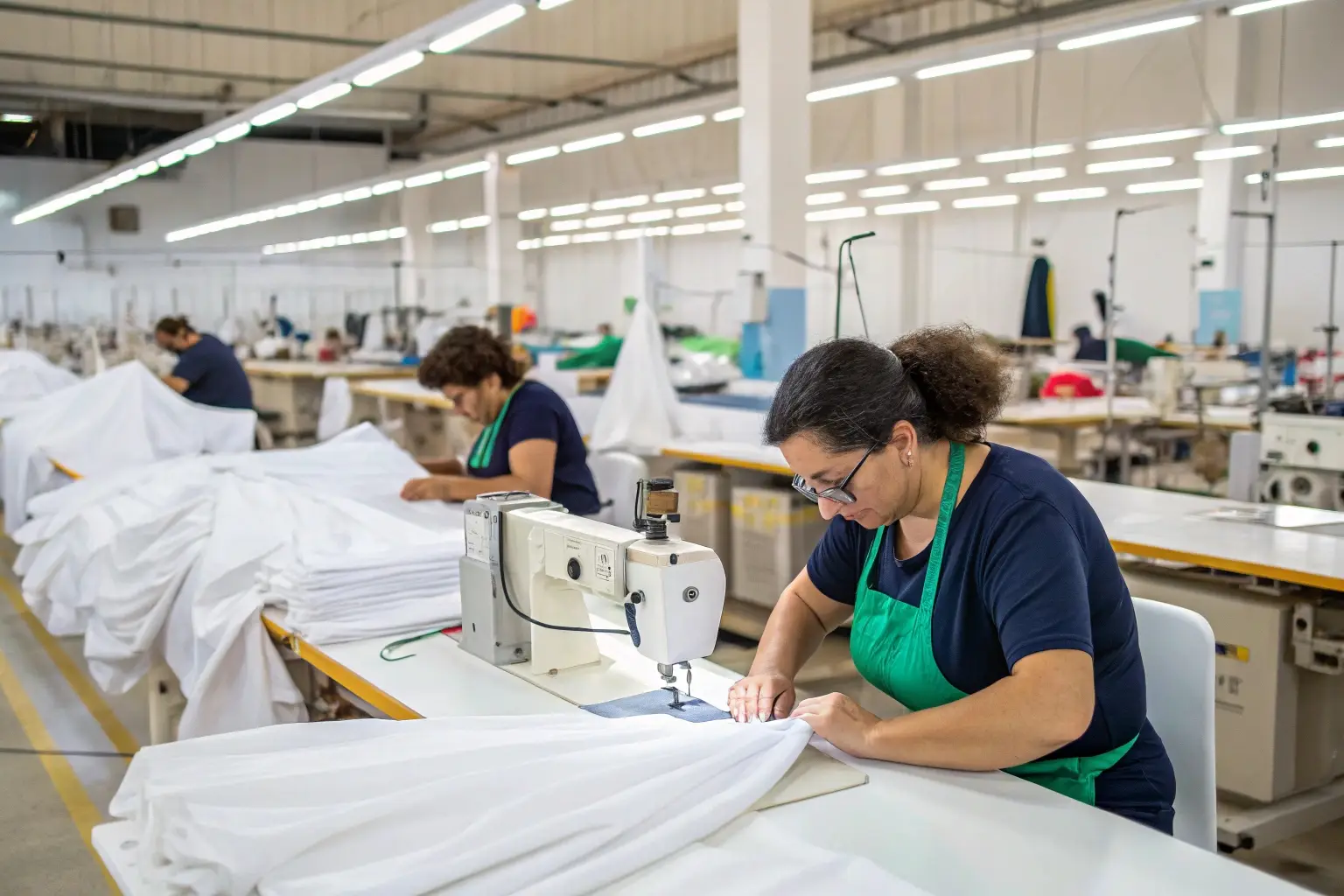
PANGAIA takes a different approach from traditional fashion brands. Instead of owning factories, it collaborates with experts and suppliers who align with its sustainability vision.
- Sustainable Production1 – Factories must meet strict eco-friendly standards.
- Innovative Materials2 – Uses bio-based and recycled textiles.
- Transparency Efforts – Provides traceability for some materials, like NATIVA™ wool.
- Ethical Labor Practices3 – Works with factories that ensure fair wages and safe conditions.
By partnering with various factories worldwide, PANGAIA ensures it maintains a high level of quality and sustainability.
Who Is PANGAIA Owned By?
PANGAIA is a privately held company that operates with a strong focus on sustainability and science-driven fashion.
In early 2025, Royal Group, an investment firm based in Abu Dhabi, acquired a controlling stake in PANGAIA. This strategic investment supports the brand’s continued growth and innovation.

How Has Ownership Impacted PANGAIA’s Mission?
Since its acquisition, PANGAIA has continued its commitment to sustainability. The brand remains independent in its design and manufacturing decisions while benefiting from increased investment in research and development.
- More funding for sustainable innovation4
- Expansion into new markets
- Stronger supply chain partnerships
- Continued focus on material science technology5
This acquisition has positioned PANGAIA to grow while staying true to its eco-friendly values6.
Is PANGAIA an American Brand?
PANGAIA’s global presence often leads to confusion about its origins. While it operates in the U.S., it is not an American company.
PANGAIA is a London-based company with operational offices in New York. It was founded in 2018 by a collective of scientists, designers, and environmentalists.

What Is PANGAIA’s Connection to the U.S.?
Although the company is headquartered in the U.K., it has a strong presence in the United States.
- U.S. market is one of its largest customer bases.7
- Collaborates with American sustainability initiatives.8
- Ships products worldwide, including from U.S. warehouses.9
While not an American brand, PANGAIA’s influence extends globally, making it a key player in sustainable fashion.
What Are PANGAIA Hoodies Made From?
PANGAIA hoodies stand out due to their innovative use of sustainable materials. The brand is known for prioritizing eco-friendly fabrics and production techniques.
PANGAIA hoodies are made from organic cotton and treated with PPRMINT™ oil, which helps reduce the need for frequent washing. Some hoodies also incorporate recycled and bio-based materials.
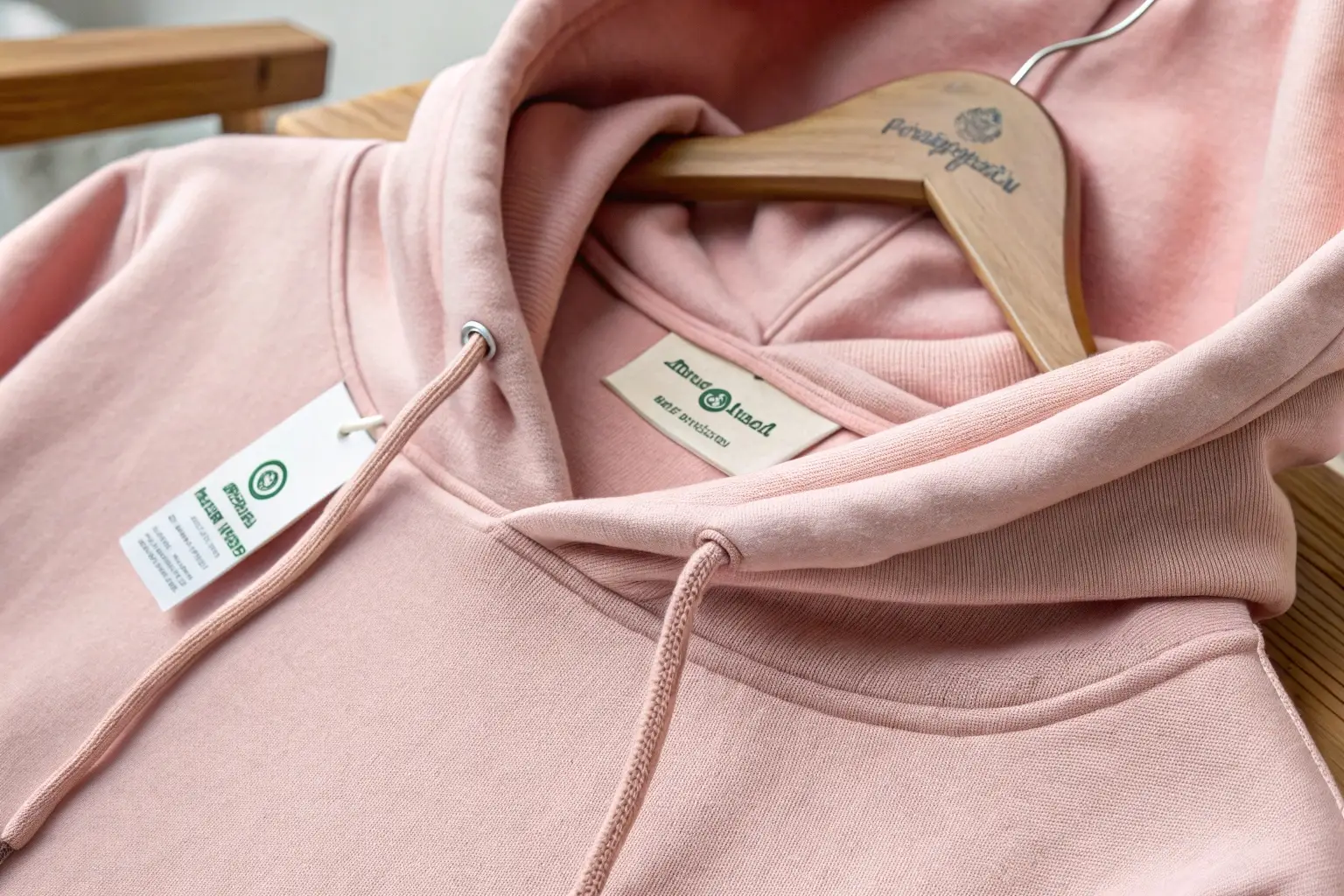
What Makes PANGAIA Hoodies Environmentally Friendly?
PANGAIA uses cutting-edge fabric technology to reduce its environmental footprint. Some key features of its hoodies include:
- Organic Cotton10 – Grown without harmful pesticides.
- PPRMINT™ Oil Treatment – Keeps garments fresh for longer.
- Recycled Materials11 – Uses post-consumer and post-industrial waste.
- Low-Water Dyeing Techniques12 – Reduces water usage in production.
These sustainable choices make PANGAIA hoodies a preferred option for eco-conscious consumers.
Conclusion
PANGAIA manufactures its clothing through a network of global suppliers, primarily in Portugal, Italy, and Turkey. The brand was recently acquired by Abu Dhabi’s Royal Group but remains committed to sustainable innovation. While headquartered in London, it has a strong U.S. presence. PANGAIA hoodies are crafted from organic and recycled materials, reinforcing the company’s dedication to eco-friendly fashion.
-
Exploring this link will provide insights into how sustainable production impacts the fashion industry positively. ↩
-
This resource will showcase the latest advancements in materials that promote sustainability in fashion. ↩
-
Understanding ethical labor practices is crucial for supporting fair treatment in fashion production. ↩
-
Exploring this resource will provide insights into how companies like PANGAIA are leading the way in eco-friendly practices. ↩
-
This link will help you understand the crucial role of material science in creating sustainable fashion solutions. ↩
-
Discovering these principles can inspire businesses to adopt sustainable practices similar to PANGAIA's approach. ↩
-
Understanding PANGAIA's U.S. market presence can reveal insights into its business strategy and customer engagement. ↩
-
Exploring PANGAIA's collaborations can highlight its commitment to sustainability and impact on the industry. ↩
-
Learning about PANGAIA's shipping logistics can provide insights into its operational efficiency and global reach. ↩
-
Explore the advantages of organic cotton, including its environmental benefits and impact on health, to understand why it's a sustainable choice. ↩
-
Learn how recycled materials contribute to sustainable fashion, reducing waste and promoting eco-friendly practices in the industry. ↩
-
Discover the benefits of low-water dyeing techniques in textile production, which help conserve water and reduce pollution. ↩