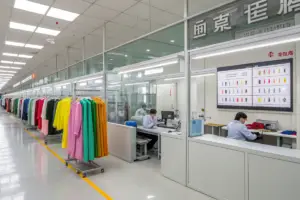
For businesses sourcing clothing, understanding the minimum order quantity (MOQ) is crucial. It affects inventory management, costs, and supplier relationships. But how does MOQ work, and why do manufacturers set these limits?
MOQ in ready-to-wear clothing refers to the minimum number of units a manufacturer requires per order. This varies based on factors such as fabric type, production complexity, and supplier policies. Understanding MOQs helps brands plan inventory efficiently and negotiate better deals.
By knowing how MOQs impact sourcing, businesses can optimize production while avoiding excess stock and high upfront costs.
What Is the Minimum Order Quantity of Clothing?
MOQ in clothing manufacturing is a fundamental concept that dictates how suppliers operate. Small brands often struggle with high MOQs, while larger orders benefit from cost savings.
The minimum order quantity for clothing typically ranges from 50 to 1,000 pieces per style, depending on the manufacturer and customization level. Some factories offer lower MOQs for startups and small businesses.
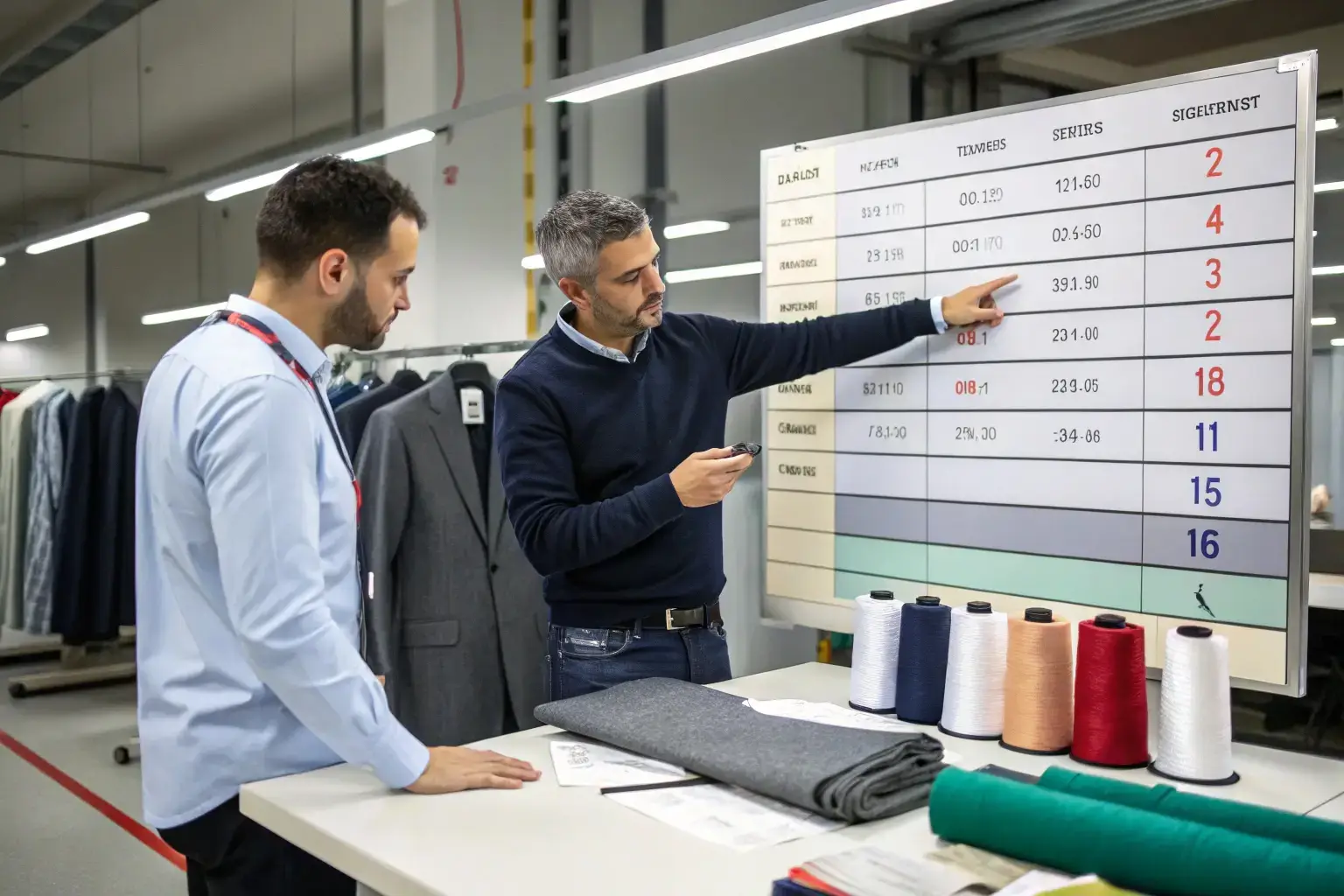
Why Do Manufacturers Set Minimum Order Quantities1?
Factories establish MOQs based on several factors:
- Production Efficiency: Smaller orders may disrupt workflow and increase costs.
- Material Sourcing: Bulk fabric orders reduce waste and ensure consistency.
- Labor Costs: Setting up production for small runs can be expensive.
- Profit Margins: Lower MOQs may not be profitable for factories.
While larger orders benefit from cost reductions, small brands can negotiate flexible MOQs by working with specialized manufacturers.
How Can Small Brands Work With High MOQ Requirements?
Small businesses often face challenges when manufacturers demand large order volumes. Here’s how they can manage:
- Look for Low MOQ Suppliers2: Some factories cater to startups with small batch production.
- Use Stock Fabrics: Avoid custom-dyed or printed fabrics, which have high MOQs.
- Consider Shared Production: Collaborate with other brands to meet order requirements.
- Negotiate With Factories3: Some manufacturers allow lower MOQs with higher per-unit costs.
Understanding these strategies helps small brands navigate MOQ limitations.
What Is the Minimum Order Quantity (MOQ)?
MOQ applies across industries, not just clothing. It’s a key term in wholesale purchasing and manufacturing.
Minimum order quantity (MOQ) is the lowest number of units a supplier is willing to produce or sell per order. It ensures production efficiency and cost-effectiveness for both parties.
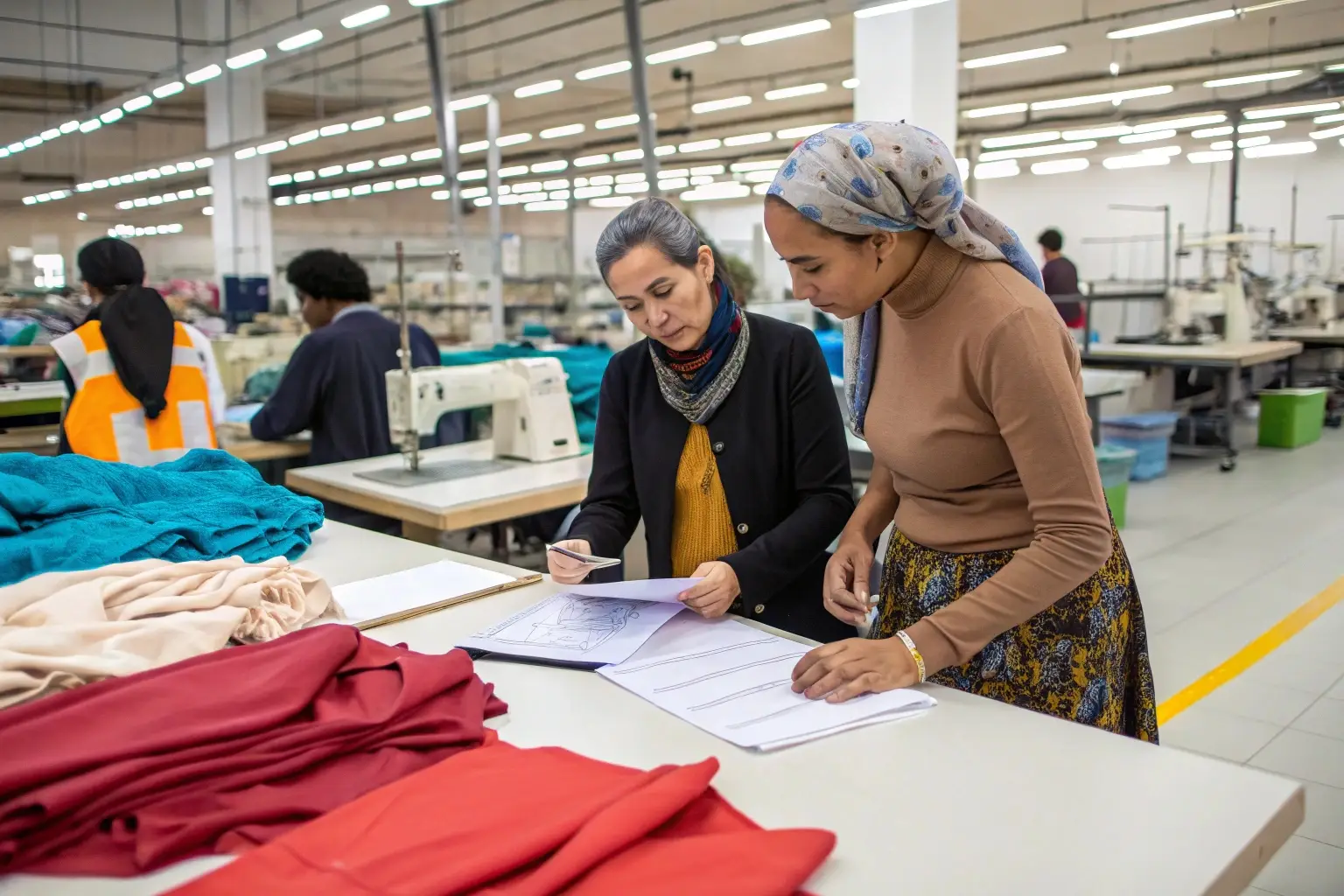
How Do MOQs Vary by Supplier Type?
Different suppliers have different MOQ policies4:
| Supplier Type | Typical MOQ Range | Common Industries |
|---|---|---|
| Large-Scale Factory | 500 – 10,000 units | Apparel, electronics |
| Small Workshop | 50 – 500 units | Custom fashion, crafts |
| Fabric Mill | 500 – 5,000 yards | Textiles, upholstery |
| Trading Company | Varies (Flexible) | Mixed product sourcing |
Choosing the right supplier based on MOQ needs helps businesses control costs.
What Are the Advantages and Disadvantages of High MOQs5?
High MOQs offer benefits but also present challenges:
Advantages:
- Lower production costs per unit.
- More consistent quality across large batches.
- Easier supplier negotiations6 due to bulk orders.
Disadvantages:
- High upfront investment required.
- Risk of excess inventory.
- Less flexibility in design changes.
Balancing MOQ with business needs is essential for long-term success.
What Is the Minimum Lot Size for MOQ?
MOQ is often confused with lot size, but they are related concepts. Understanding the difference helps in negotiating orders.
The minimum lot size for MOQ refers to the smallest batch a manufacturer is willing to produce in a single run. It depends on factors like material usage and production efficiency.

How Does Lot Size Affect MOQ?
Lot size directly influences MOQ in manufacturing:
- Batch Processing7: Factories group orders in lots to reduce costs.
- Material Usage: Certain materials require bulk orders to be cost-effective.
- Equipment Setup: Factories minimize downtime by producing in standardized lots.
For example, a supplier might set an MOQ of 300 pieces per color but allow lower MOQs if using stock fabric.
Can Lot Size Be Reduced?
Some strategies can help businesses reduce lot size requirements:
- Use Standard Sizes and Colors: Avoid custom requests that require separate production runs.
- Negotiate with Suppliers: Some factories allow smaller lots with higher costs.
- Work With Flexible Manufacturers8: Smaller factories or workshops often have lower lot size requirements.
By understanding lot size policies, businesses can manage MOQ efficiently.
What Is Fabric Minimum Order Quantity?
Fabric MOQ is a crucial factor in garment manufacturing. It impacts pricing, material availability, and production planning.
Fabric minimum order quantity (MOQ) is the lowest amount of fabric a mill or supplier is willing to produce or sell per order. It varies based on material type and customization needs.

Why Do Fabric Suppliers Set MOQs?
Fabric mills set MOQs for practical reasons:
- Dyeing and Printing Costs9: Custom fabrics require large runs to be cost-effective.
- Weaving and Knitting Efficiency: Mills optimize production by producing bulk fabric.
- Inventory Management10: Lower MOQs can lead to higher waste.
Fabric MOQs typically range from 100 to 5,000 yards, depending on the type.
How Can Brands Work With Fabric MOQs?
For small businesses, high fabric MOQs can be a challenge. Here’s how to manage:
- Use Stock Fabrics11: Pre-made fabrics have lower MOQs than custom orders.
- Purchase From Wholesalers: Some fabric suppliers offer lower MOQs.
- Partner With Other Brands: Split fabric orders to meet MOQ requirements.
Understanding fabric MOQs ensures smooth sourcing and cost control.
Conclusion
MOQ plays a crucial role in ready-to-wear manufacturing. Clothing MOQs range from 50 to 1,000 pieces, while fabric MOQs depend on material type and supplier policies. Businesses must balance MOQ requirements with production efficiency, cost management, and market demand. By negotiating with suppliers and using strategic sourcing methods, brands can optimize their supply chain while keeping inventory risks low.
-
Understanding MOQs is crucial for small brands to negotiate better terms with manufacturers and optimize their production strategies. ↩
-
Discovering low MOQ suppliers can empower small brands to start production without the burden of high order volumes. ↩
-
Learning negotiation tactics can help small brands secure favorable terms and reduce production costs significantly. ↩
-
Understanding MOQ policies can help businesses choose the right supplier and optimize costs. ↩
-
Exploring the pros and cons of high MOQs can guide businesses in making informed sourcing decisions. ↩
-
Learning negotiation strategies can enhance supplier relationships and lead to better deals for bulk orders. ↩
-
Batch Processing is key to cost efficiency in manufacturing. Discover how it impacts production and savings. ↩
-
Flexible Manufacturers can adapt to your needs, potentially lowering costs and lot sizes. Learn more about their advantages. ↩
-
Understanding dyeing and printing costs can help you make informed decisions about fabric sourcing and budgeting. ↩
-
Exploring inventory management strategies can provide insights into how to minimize waste and optimize fabric orders. ↩
-
Discovering the advantages of stock fabrics can help small businesses reduce costs and meet their production needs effectively. ↩