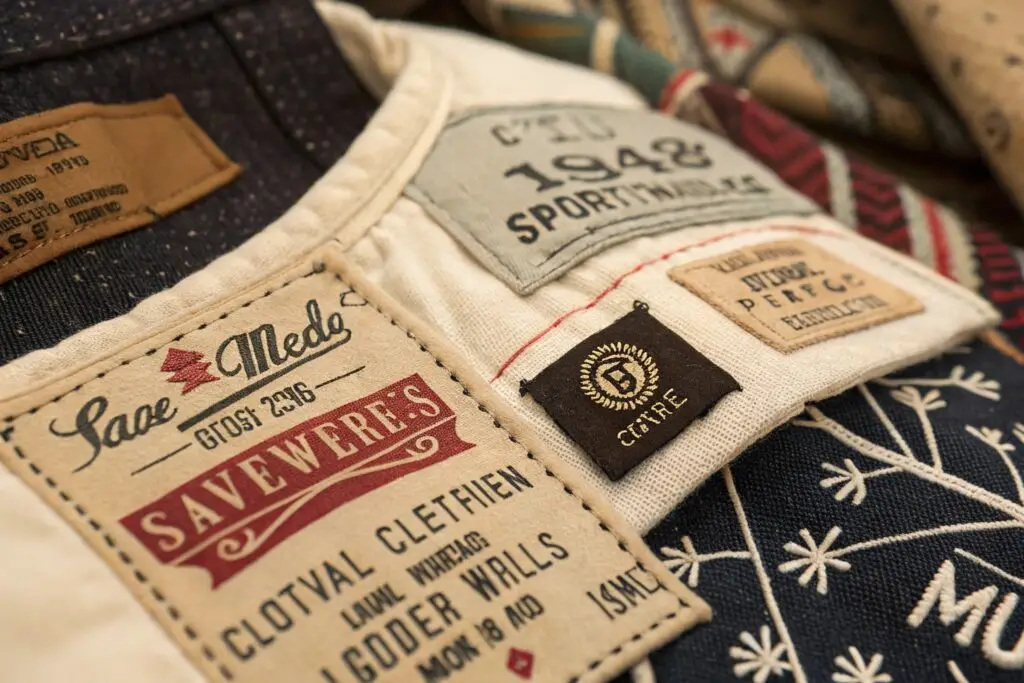
Unlike food or medicine, clothing does not typically include a manufacturing date on its label. Instead, garment tags focus on fabric composition, country of origin, and care instructions. However, knowing when a piece of clothing was made can be important for vintage collectors, second-hand shoppers, and brand authentication.
But how can you determine when a clothing item was manufactured?
This guide explores how to tell when clothing was made, how to date vintage pieces, and what "manufacturing date" means in the fashion industry.
How to Tell When a Clothing Item Was Made?
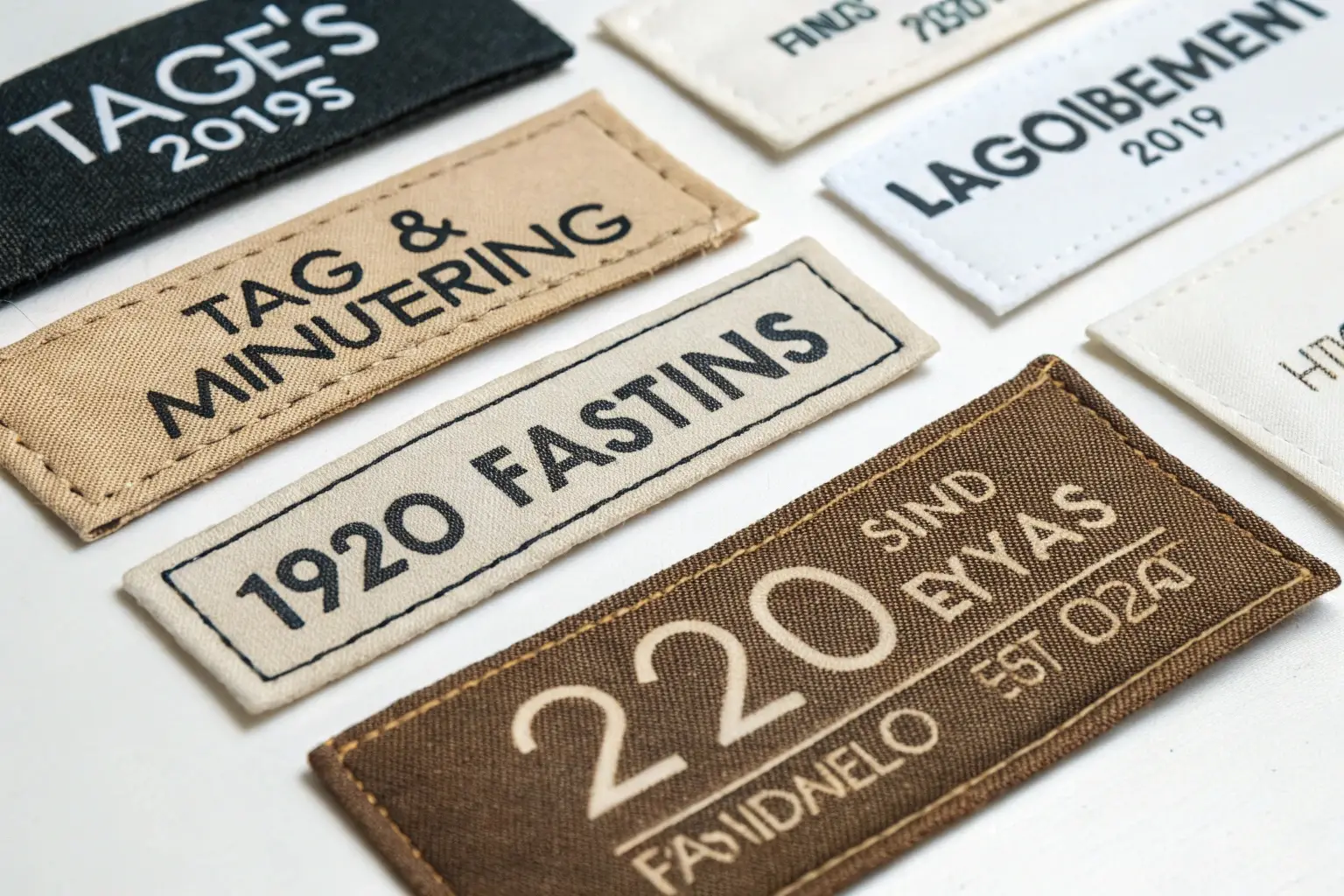
Even though clothing labels don’t include a manufacturing date, there are several ways to estimate when an item was produced.
Ways to Identify a Clothing Item’s Manufacturing Date
| Method | Description |
|---|---|
| Check the Label Design | Brands update their labels periodically, and older versions can indicate a time period. |
| Look for RN or CA Numbers | U.S. brands use RN (Registered Number)1 codes that help identify the manufacturer’s registration year. |
| Examine the Fabric & Stitching | Older garments may have hand-sewn details, unique dyes, or discontinued materials2. |
| Research the Brand’s History | Some brands release specific collections each year, which can help date an item. |
| Use Clothing Tag Codes | Some brands print date-related codes inside care labels3 (e.g., Levi’s lot numbers). |
💡 By analyzing clothing labels, materials, and stitching, you can often estimate a garment’s manufacturing year.
How Do You Know How Old a Piece of Clothing Is?
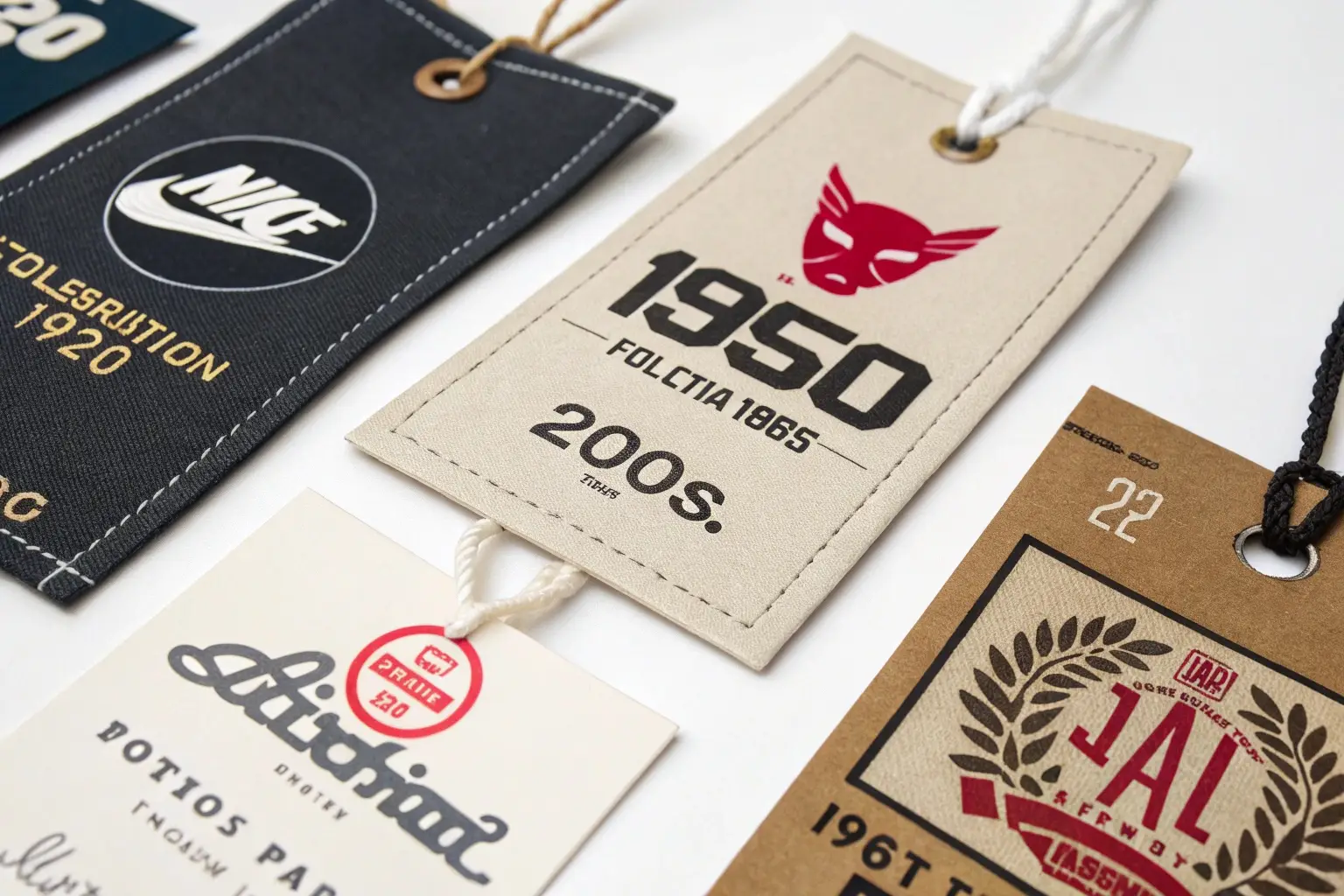
Determining the age of clothing is essential for vintage fashion collectors, resellers, and enthusiasts.
Key Indicators of Clothing Age
| Factor | Description |
|---|---|
| Brand Logo & Label | Older garments often have different fonts, logos, and tag materials4 than modern versions. |
| Fabric Composition | Some fabrics, like rayon or polyester blends5, were introduced in specific decades. |
| Stitching & Construction | Overlock stitching became common in the 1970s, while older pieces may have hand-sewn hems6. |
| Zippers & Buttons | Metal zippers were more common in the 1940s-1960s, while plastic zippers became dominant later. |
| Care Labels & Washing Symbols | Garments made before the 1970s often lack care labels, as washing symbols became standardized later. |
How to Date Clothing Based on Label Information
✅ U.S. RN Numbers – If a garment has an RN (Registered Number) between 00101 and 04086, it was likely made before 1959.
✅ WPL Numbers – Used from 1941 to 1959 in the U.S., meaning the garment is vintage.
✅ Made in U.S.A. Labels – Indicates production before the 1990s, as many brands moved manufacturing overseas afterward.
💡 Examining labels, fabric, and construction methods can help estimate a garment’s production era.
How Do You Date a Piece of Clothing?
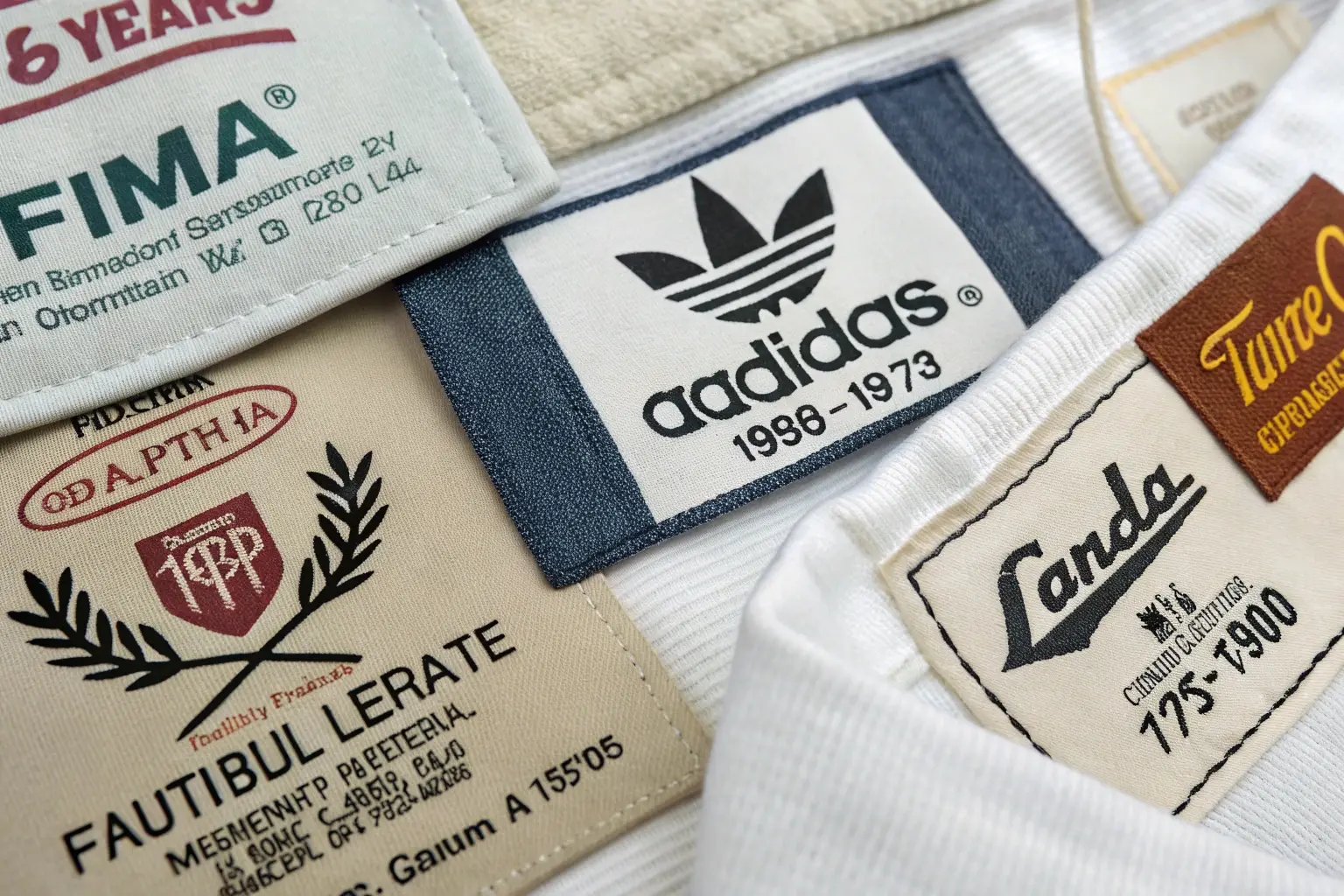
Dating clothing requires analyzing historical trends, label details, and material composition.
Step-by-Step Guide to Dating Clothing
| Step | Action |
|---|---|
| 1. Check the Brand Label & RN Number | Compare with online databases of vintage clothing labels. |
| 2. Identify Fabric Type | Natural fibers were more common before synthetics became mainstream in the 1960s7. |
| 3. Examine Construction Details | Hand-stitching or metal zippers suggest pre-1970s clothing8. |
| 4. Look for Unique Design Trends | Shoulder pads = 1980s, bell-bottoms = 1970s, minimalism = 1990s. |
| 5. Research Fashion Catalogs & Advertisements | Compare the garment to vintage fashion magazines or brand archives. |
Online Tools for Dating Clothing
✅ Vintage Fashion Guild – Has a database of clothing labels and tags9 from different decades.
✅ Etsy & eBay Listings – Sellers often provide accurate production year estimates for vintage garments.
✅ Brand Websites & Archives – Luxury brands like Levi’s and Chanel have timelines showing past collections.
💡 Dating vintage clothing requires research and close attention to small details like tags, stitching, and design trends.
What Does "Manufacturing Date" Mean?
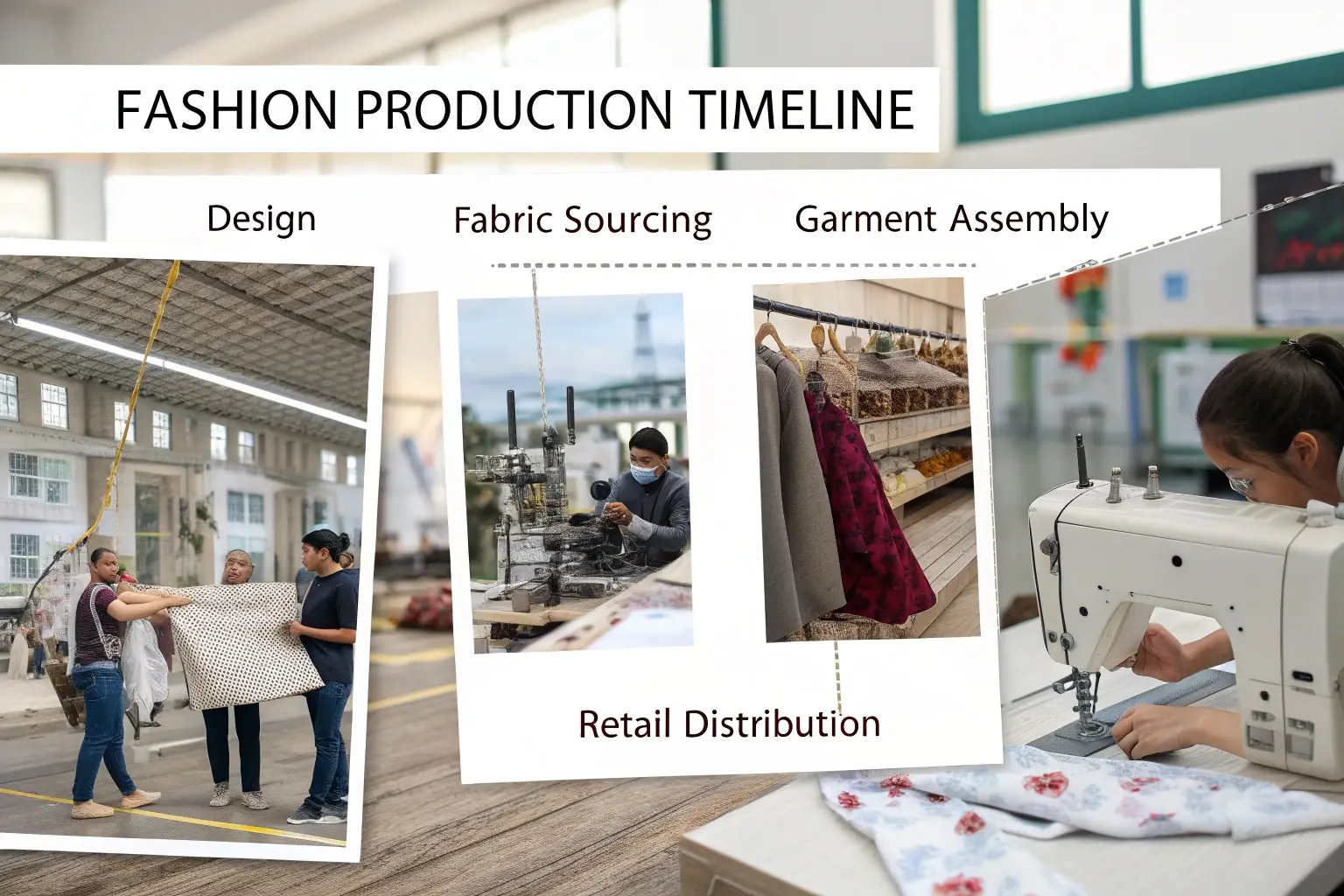
A manufacturing date refers to when a product was produced, but clothing does not typically include this information on tags.
Why Clothing Doesn’t Display Manufacturing Dates
| Reason | Explanation |
|---|---|
| No Expiration Concern | Unlike food or cosmetics, clothing does not expire. |
| Long Shelf Life | Many garments are sold months or years after production10. |
| Global Supply Chain | Clothing may be made in batches across different countries11, making it hard to assign a single date. |
| Seasonal Fashion Cycles | Fast fashion brands release new collections every few weeks12, making dates irrelevant. |
Exceptions: When Manufacturing Dates Appear on Clothing
✅ Military & Work Uniforms – Often include production dates for tracking.
✅ Limited Edition & Designer Pieces – May have serial numbers or year of release.
✅ Some Levi’s Jeans & Denim Brands – Include lot numbers that can help identify production years.
💡 Most clothing brands focus on branding and care labels rather than manufacturing dates.
Conclusion
While clothing does not include a manufacturing date, it is still possible to estimate when a garment was made by analyzing labels, fabric composition, stitching, and fashion trends. Vintage clothing collectors and second-hand buyers can use RN numbers, brand tags, and historical references to date garments accurately.
Key Takeaways
✅ Clothing labels do not display manufacturing dates, but other clues can help identify production years.
✅ RN and WPL numbers, fabric composition, and stitching methods are key indicators of age.
✅ Luxury and military garments may include manufacturing dates for tracking purposes.
✅ Fashion trends and historical catalogs can provide additional dating insights.
💡 By examining labels and textile details, you can uncover the hidden history behind any clothing item!
-
Understanding RN codes can help you trace the manufacturing year of clothing, enhancing your knowledge of fashion history. ↩
-
Exploring the significance of these features can deepen your appreciation for vintage clothing and its craftsmanship. ↩
-
Learning about these codes can provide insights into the garment’s history and authenticity, valuable for collectors. ↩
-
Understanding the evolution of brand logos can help you identify the age of garments more accurately. ↩
-
Exploring the history of fabric compositions can provide insights into dating vintage clothing. ↩
-
Learning about hand-sewn hems can enhance your ability to assess the authenticity and age of garments. ↩
-
Understanding the shift to synthetic fabrics can enhance your knowledge of vintage clothing dating. ↩
-
Identifying pre-1970s clothing can help you accurately date vintage pieces and appreciate their history. ↩
-
Exploring resources on clothing labels can provide valuable insights for dating vintage garments effectively. ↩
-
Understanding the timeline of clothing production can reveal insights into fashion trends and consumer behavior. ↩
-
Exploring the global supply chain can help you understand the complexities of clothing production and distribution. ↩
-
Discover the fast fashion industry’s impact on consumer habits and the environment by exploring this topic further. ↩