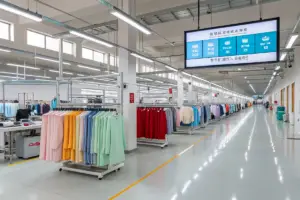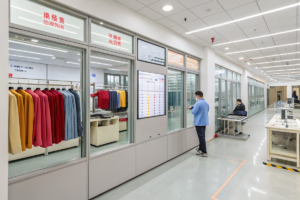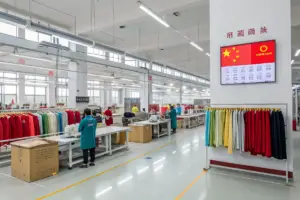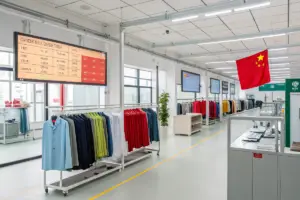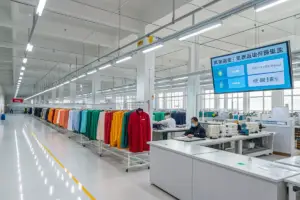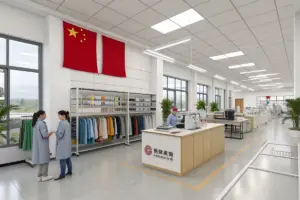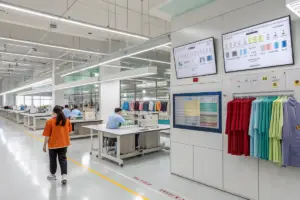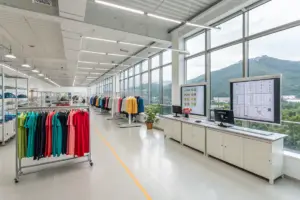
Garment factories produce different types of samples to ensure quality, design accuracy, and production feasibility before bulk manufacturing begins.
There are multiple types of garment samples, including prototype, fit, sales, and production samples. Each serves a unique purpose in the manufacturing process, ensuring quality and buyer satisfaction.
Understanding these sample types helps brands maintain quality and consistency throughout production. Let’s explore them in detail.
What is GPT sample in garment industry?
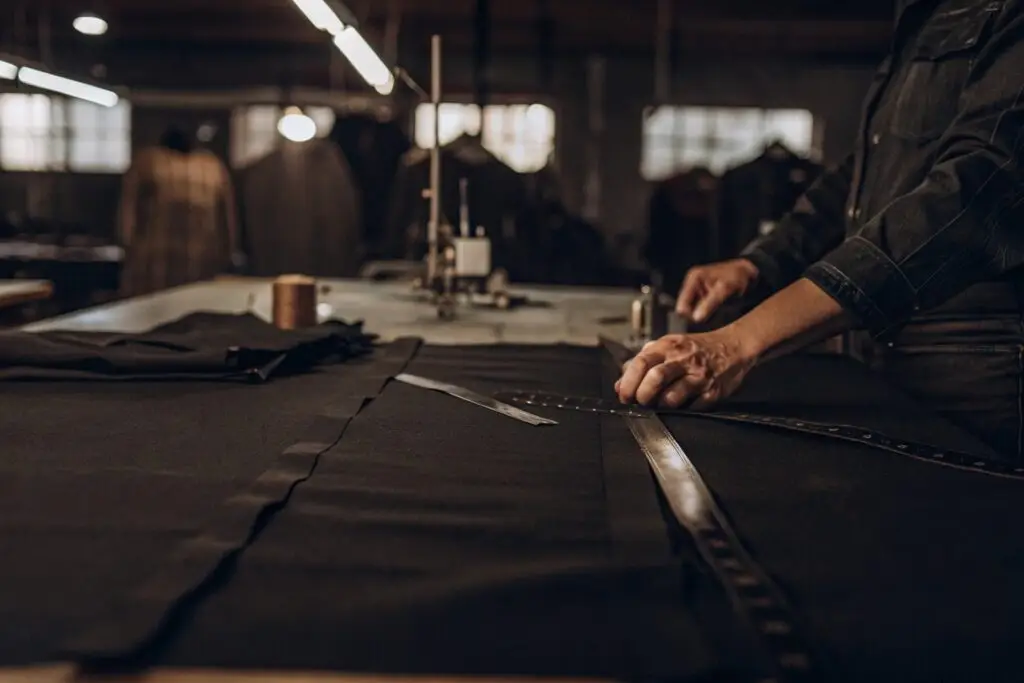
Garment factories use various sample types, and GPT (Garment Production Test) is one of the most important for quality control.
A GPT sample is a pre-production sample used to check production feasibility, fabric performance, and garment construction before bulk production starts.
Importance of GPT Sample
- Checks Garment Construction1 – Ensures all components are assembled correctly.
- Fabric Performance Test2 – Evaluates shrinkage, color fastness, and durability.
- Identifies Potential Production Issues3 – Reduces the risk of defects in bulk production.
- Approval Before Bulk Production – Ensures all details meet buyer specifications.
A GPT sample minimizes production risks and ensures quality before mass manufacturing begins.
What is sample making in garment industry?
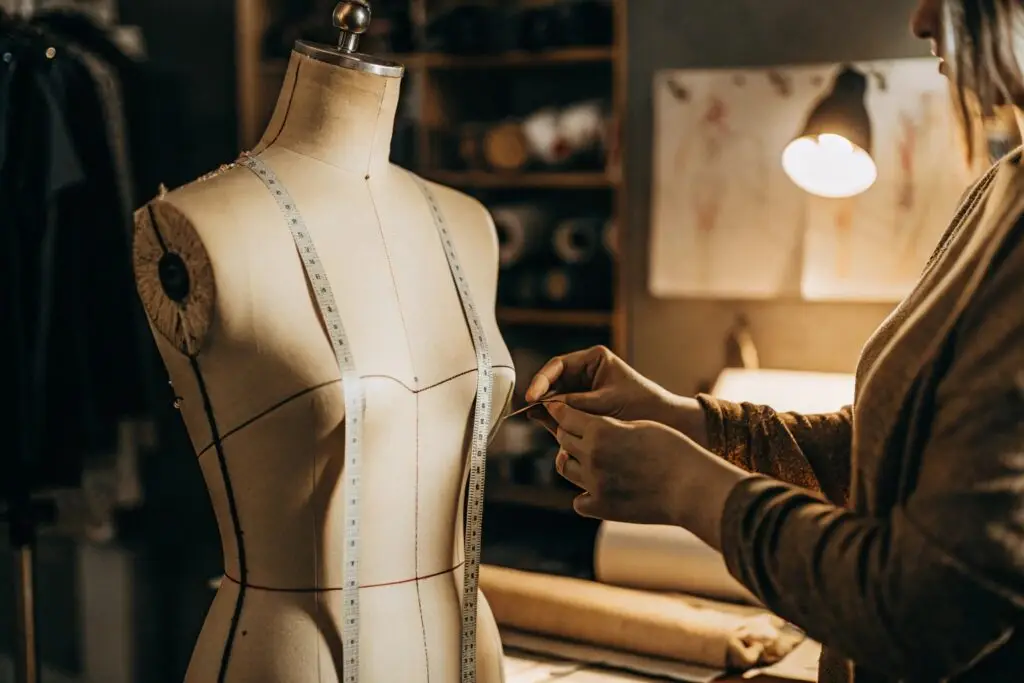
Sample making is a crucial step in garment manufacturing, allowing factories and buyers to evaluate design, fit, and quality before bulk production.
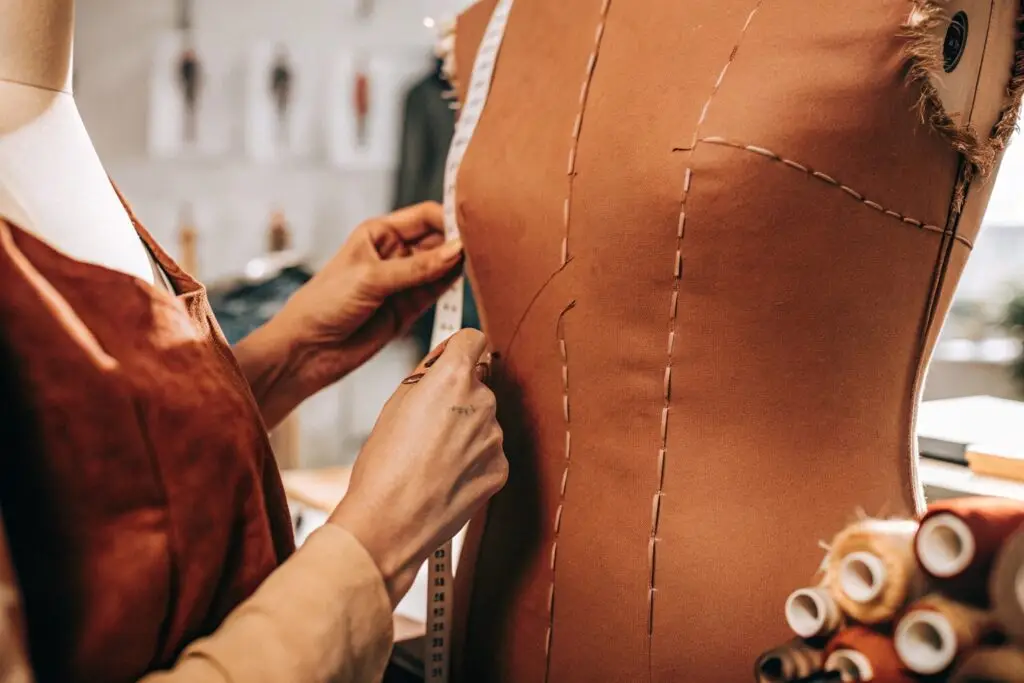
Sample making involves creating prototype garments based on design specifications to test fabric, fit, and construction before mass production.
Steps in Sample Making
- Receiving Design Specification – Includes tech packs, sketches, and fabric details.
- Pattern Making4 – Drafting the garment pattern based on design measurements.
- Fabric Cutting5 – Cutting fabric according to pattern pieces.
- Sewing the Sample – Assembling the garment for review.
- Quality Check & Approval6 – Testing fabric performance, construction, and fit.
Proper sample making ensures that the final product meets the buyer’s expectations and quality standards.
How many types of AQL are there in garment industry?
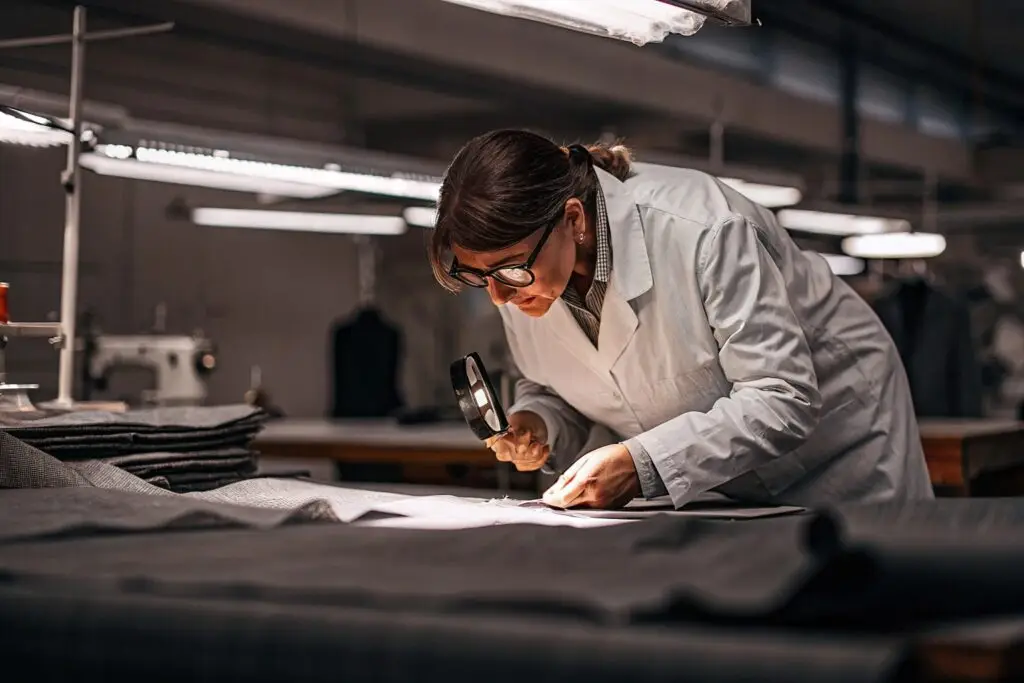
AQL (Acceptable Quality Level) is a key metric in garment quality control, determining how many defective units are acceptable in a production batch.
In the garment industry, AQL is divided into different levels, including AQL 1.0, 1.5, 2.5, 4.0, and more, each defining an acceptable defect percentage.
Common AQL Standards
| AQL Level7 | Defect Tolerance8 |
|---|---|
| AQL 1.0 | Strict quality control, minimal defects |
| AQL 1.5 | Low defect tolerance, used for high-end garments |
| AQL 2.5 | Standard quality for most apparel brands |
| AQL 4.0 | Higher defect tolerance, used for mass production |
| AQL 6.5 | Maximum defects allowed, used for budget garments |
Selecting the right AQL level depends on the brand’s quality requirements9 and target market.
What is top of production sample in garment industry?
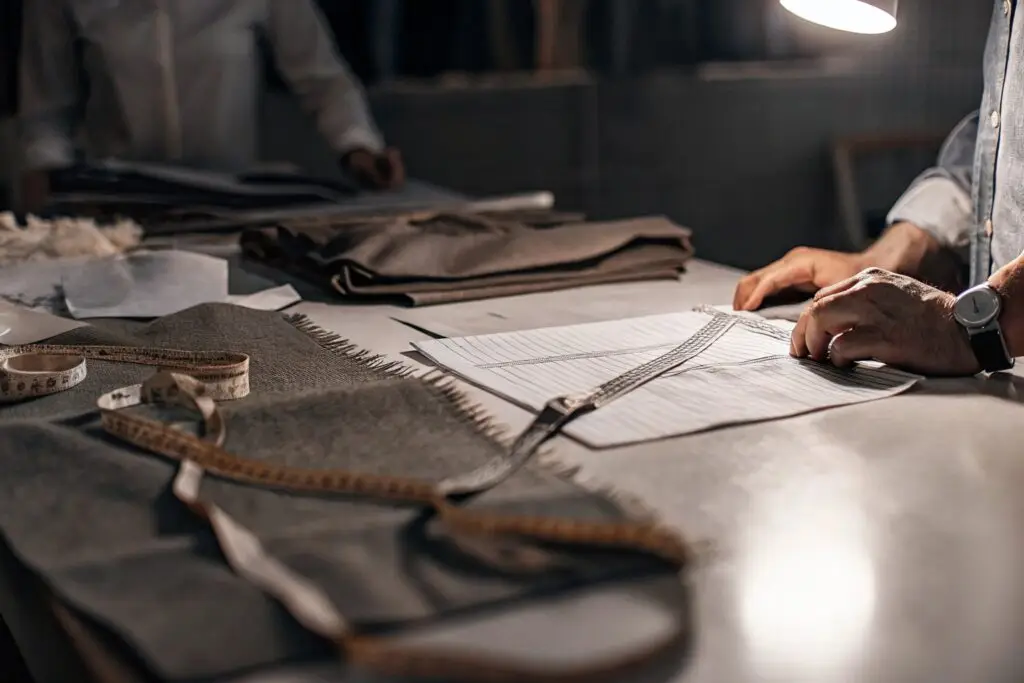
The Top of Production (TOP) sample is a key sample type used for final approval before completing bulk production.
A TOP sample is taken from the first production batch to verify consistency, quality, and compliance with buyer specifications before mass production continues.
Why is the TOP Sample Important?
- Ensures Bulk Production Consistency[^10] – Matches approved pre-production samples.
- Final Quality Verification[^11] – Confirms stitching, measurements, and finishing.
- Reduces Mass Production Defects[^12] – Addresses last-minute quality concerns.
- Buyer Approval Before Shipment – Ensures the client receives the expected quality.
A TOP sample serves as the final checkpoint to maintain garment quality and avoid shipment rejections.
Conclusion
Different sample types play essential roles in garment production, from initial design validation to final quality approval. Understanding these ensures better quality control and smoother manufacturing processes.
-
Understanding bulk production consistency can help ensure quality and efficiency in manufacturing processes. ↩
-
Exploring final quality verification can reveal its critical role in maintaining high standards in production. ↩
-
Learning about strategies to reduce defects can enhance production quality and minimize waste. ↩
-
Understanding pattern making is crucial for creating accurate garment designs and ensuring a perfect fit. ↩
-
Learning about fabric cutting techniques can enhance efficiency and precision in sample making. ↩
-
Exploring quality check practices can help ensure that your samples meet high standards before production. ↩
-
Understanding AQL levels is crucial for ensuring product quality and meeting market standards. Explore this link for detailed insights. ↩
-
Defect tolerance directly affects customer satisfaction and brand reputation. Learn more about its implications in manufacturing. ↩
-
Quality requirements shape brand identity and customer trust. Discover essential standards for apparel quality management. ↩