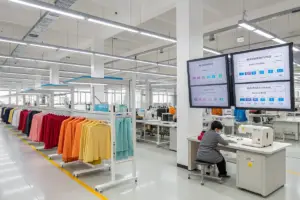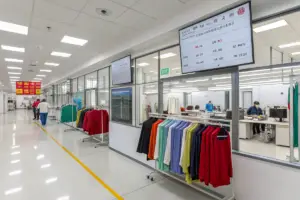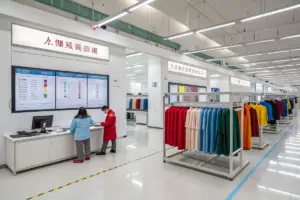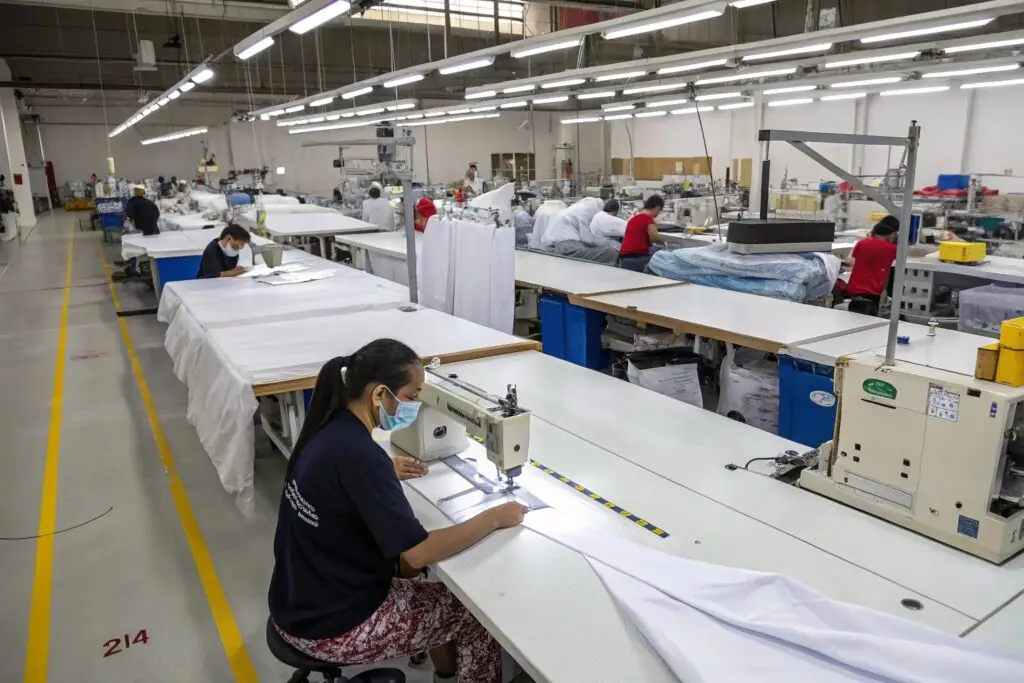
Starting a garment manufacturing unit involves planning, investment, factory setup, production workflow, and quality control. Whether you want to produce fashion apparel, uniforms, or private-label clothing, understanding the key steps is essential for success in the textile industry.
But what are the exact steps needed to launch a garment factory, and how does the garment production process work?
This guide covers how to start a garment factory, the six essential steps of manufacturing, and the complete garment production workflow.
How to Start a Garment Factory?
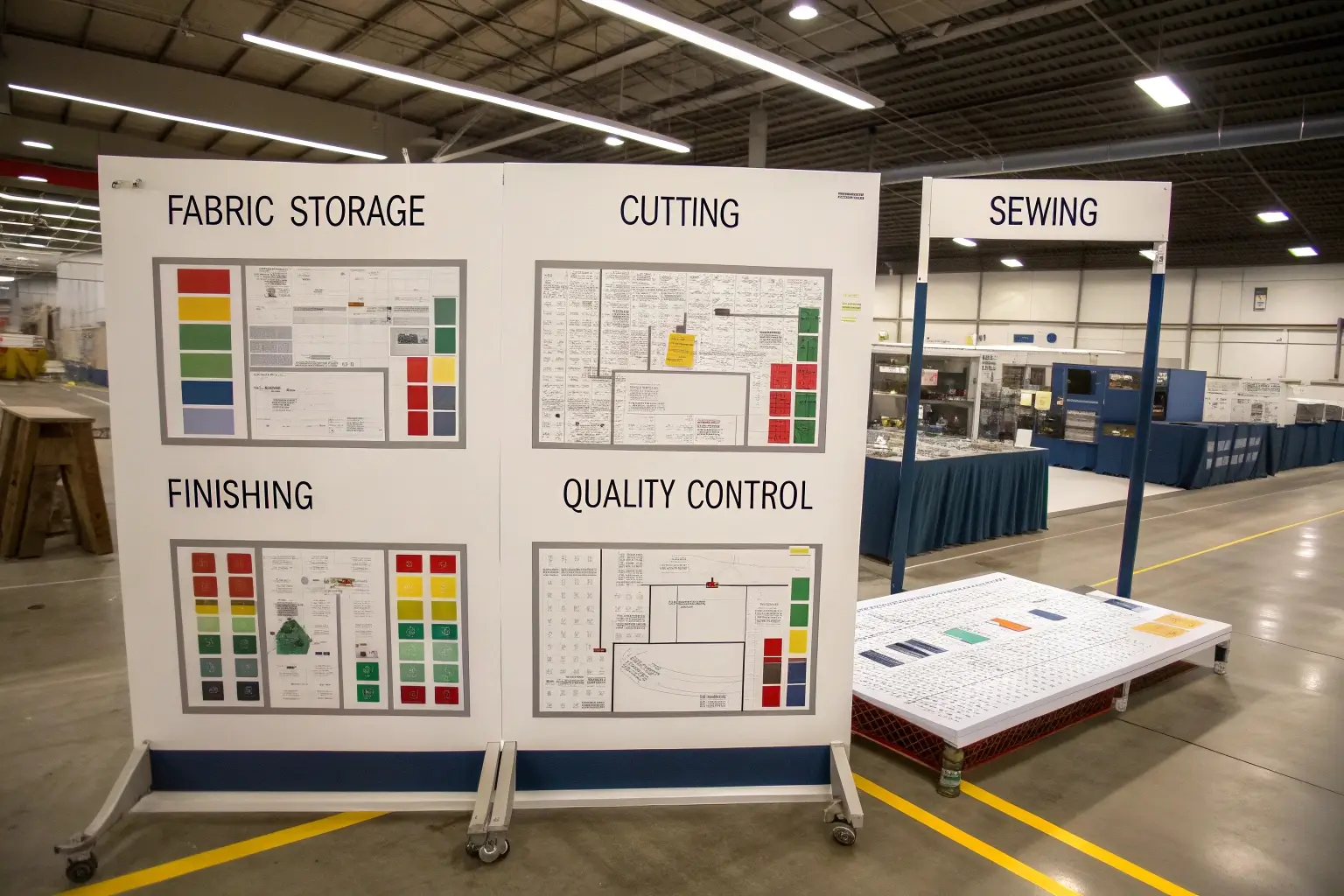
Setting up a garment manufacturing unit requires careful planning, investment, and a step-by-step approach.
Step-by-Step Process to Start a Garment Factory
| Step | Description |
|---|---|
| 1. Business Planning & Market Research1 | Identify target customers, apparel niche, and pricing strategy. |
| 2. Legal Registration & Compliance | Obtain business licenses, tax registrations, and factory permits. |
| 3. Factory Setup & Infrastructure | Rent or build a production space with adequate utilities. |
| 4. Machinery & Equipment Procurement | Purchase cutting machines, sewing machines, and finishing tools. |
| 5. Workforce Hiring & Training | Recruit skilled workers for cutting, stitching, and quality control. |
| 6. Raw Material Sourcing | Find reliable suppliers for fabric, trims, and accessories. |
| 7. Production Planning & Workflow | Optimize processes for efficient garment assembly. |
| 8. Quality Control2 & Compliance | Implement checks for fabric defects, stitching errors, and size consistency. |
| 9. Marketing & Distribution | Develop brand identity and establish sales channels. |
Key Factors in a Successful Garment Factory
✅ Specialization – Decide on niche products (e.g., casualwear, uniforms, sportswear).
✅ Investment Planning – Calculate initial capital for rent, machinery, and materials.
✅ Production Efficiency3 – Implement lean manufacturing techniques to reduce waste.
💡 A well-planned setup ensures long-term profitability and scalability in garment manufacturing.
What Are Six Different Steps of Manufacturing a Garment?
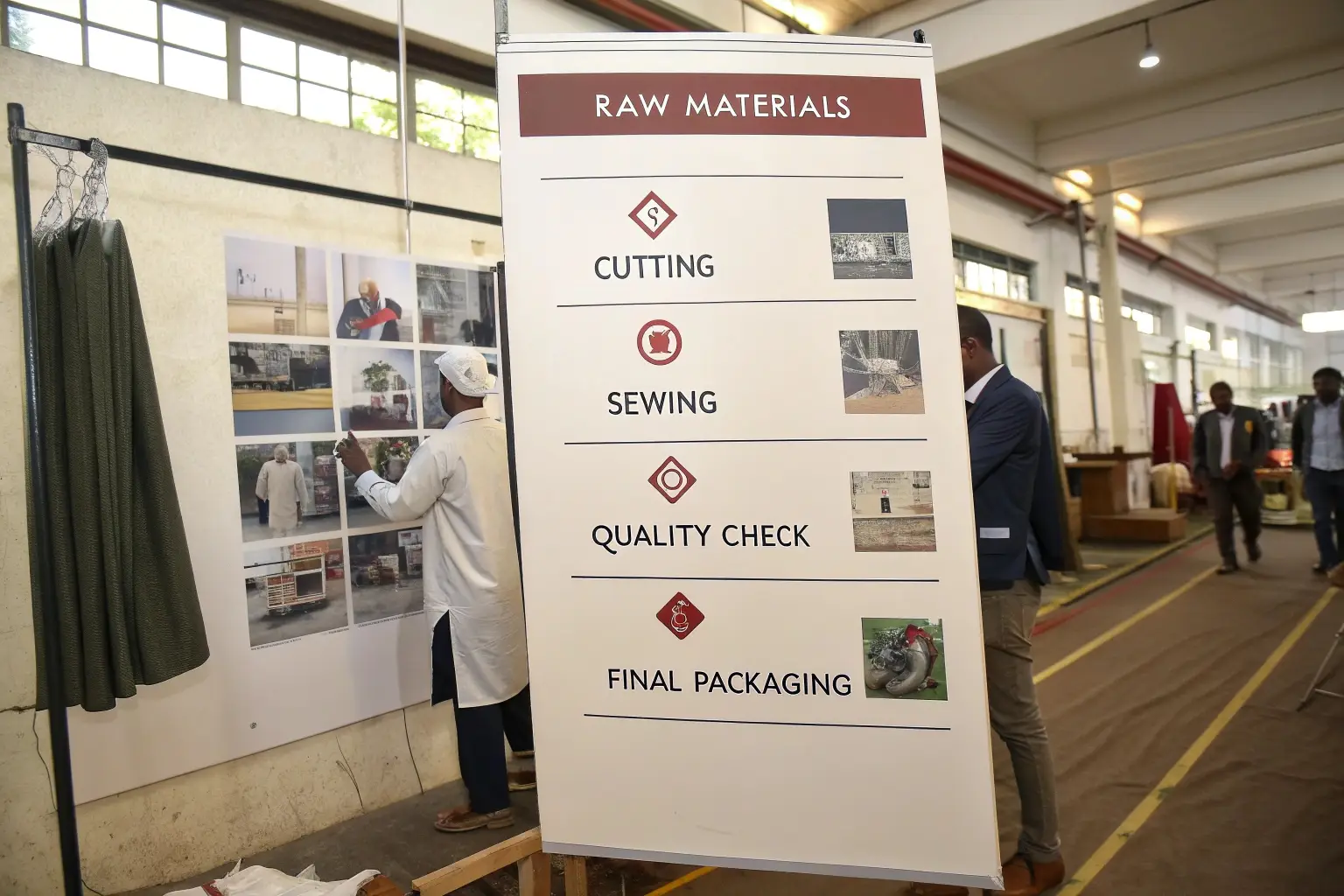
Garment manufacturing involves six key steps, ensuring efficiency, quality, and timely production.
The 6 Essential Steps in Garment Production
| Step | Description |
|---|---|
| 1. Fabric Selection & Inspection4 | Choosing quality textiles and checking for defects. |
| 2. Pattern Making & Grading | Creating patterns and scaling for different sizes. |
| 3. Fabric Cutting & Marking | Precision cutting of fabric pieces based on patterns. |
| 4. Sewing & Assembly | Stitching garment pieces together using industrial machines. |
| 5. Finishing & Quality Control | Adding branding, ironing, and inspecting for defects. |
| 6. Packaging & Distribution | Folding, tagging, and preparing garments for shipment. |
Technologies Enhancing Garment Production
✅ CAD Software – Digital pattern making improves accuracy.
✅ Automated Cutting Machines5 – Reduces material waste and speeds up cutting.
✅ AI-Driven Quality Control6 – Detects fabric inconsistencies and stitching flaws.
💡 Following these six steps ensures a well-structured and quality-controlled production process.
What Is the Process of Garment Manufacturing?
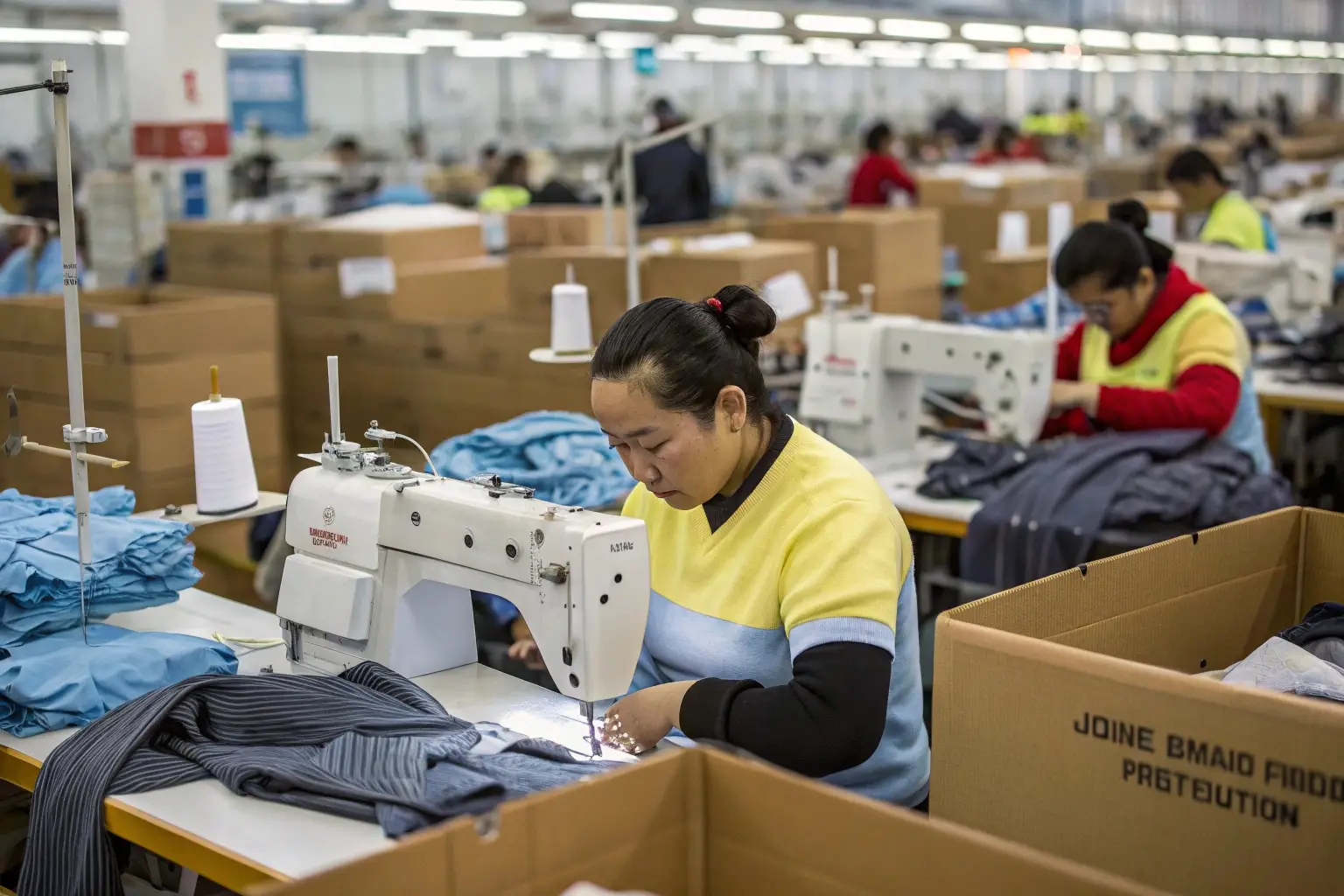
The garment manufacturing process transforms raw materials into finished apparel through structured pre-production, production, and post-production workflows.
Phases of the Garment Manufacturing Process7
| Phase | Description |
|---|---|
| Pre-Production | Designing, fabric sourcing, pattern making, sample development. |
| Production | Cutting, stitching, assembling, and finishing garments. |
| Post-Production | Quality control, packaging, and shipping to distributors. |
Types of Garment Manufacturing Methods
✅ Mass Production8 – High-volume manufacturing with standardized sizing.
✅ Made-to-Order (MTO)9 – Custom production based on demand, reducing waste.
✅ Small-Batch Production – Limited runs for boutique or niche fashion brands.
💡 Choosing the right manufacturing model depends on production scale and brand strategy.
What Are the Steps in Constructing a Garment?
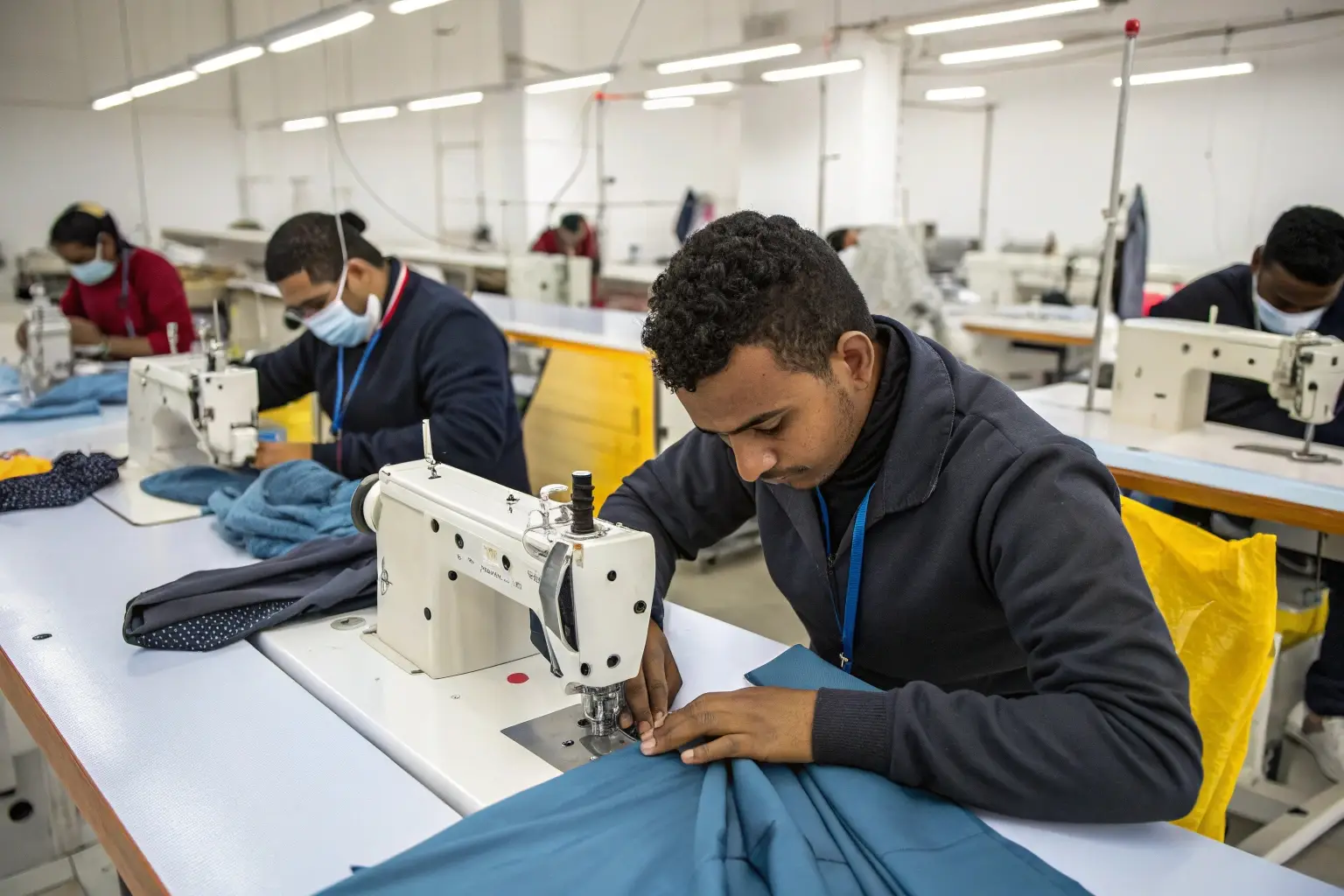
Garment construction follows a detailed process to ensure fit, durability, and aesthetic appeal.
Step-by-Step Garment Construction Process
| Step | Description |
|---|---|
| 1. Design & Prototyping | Sketching, fabric selection, and prototype creation. |
| 2. Pattern Development & Grading10 | Designing patterns and adjusting for different sizes. |
| 3. Cutting & Spreading | Laying out fabric and cutting pieces precisely. |
| 4. Stitching & Sewing | Using industrial sewing machines to assemble garments. |
| 5. Finishing & Embellishments | Adding details like embroidery, zippers, and buttons. |
| 6. Final Pressing & Packaging | Ironing, tagging, and folding garments for retail. |
Important Considerations in Garment Construction
✅ Fabric Handling – Different textiles require different sewing and cutting techniques.
✅ Stitching Precision11 – Affects garment durability and strength.
✅ Ergonomic Design12 – Ensures proper fit, comfort, and mobility.
💡 A well-constructed garment maintains high-quality standards and enhances brand reputation.
Conclusion
Starting a garment manufacturing unit involves careful planning, investment, and streamlined production workflows. Understanding the six essential garment production steps and implementing effective construction techniques ensures quality, efficiency, and market success.
Key Takeaways
✅ Setting up a garment factory involves business planning, infrastructure setup, and workforce hiring.
✅ The six essential steps in garment manufacturing include fabric selection, pattern making, cutting, sewing, finishing, and packaging.
✅ Garment manufacturing follows three main phases – pre-production, production, and post-production.
✅ A structured garment construction process ensures proper fit, durability, and finishing quality.
💡 A successful garment business depends on efficient production processes, quality control, and market positioning.
-
Understanding market research strategies can help you identify your target audience and niche effectively, ensuring a successful start. ↩
-
Exploring quality control practices will help you maintain high standards in your production, leading to customer satisfaction and repeat business. ↩
-
Learning about lean manufacturing can significantly enhance your production processes, reducing waste and increasing profitability. ↩
-
Understanding fabric selection is crucial for quality garments. Explore this link to learn more about its significance. ↩
-
Automated cutting machines are key to efficiency in garment production. Learn about their advantages and impact on the industry. ↩
-
AI technology is revolutionizing quality control in fashion. Discover how it enhances production efficiency and quality. ↩
-
Understanding the garment manufacturing process is crucial for anyone in the fashion industry, as it impacts quality and efficiency. ↩
-
Exploring mass production methods can help brands optimize their manufacturing for efficiency and cost-effectiveness. ↩
-
Learning about MTO can provide insights into sustainable practices and customer satisfaction in fashion. ↩
-
Understanding pattern development and grading is crucial for creating well-fitting garments. Explore this link to enhance your knowledge. ↩
-
Stitching precision directly impacts the durability of garments. Discover more about its significance in this informative resource. ↩
-
Ergonomic design enhances comfort and fit, making it essential for garment quality. Learn more about its benefits through this link. ↩