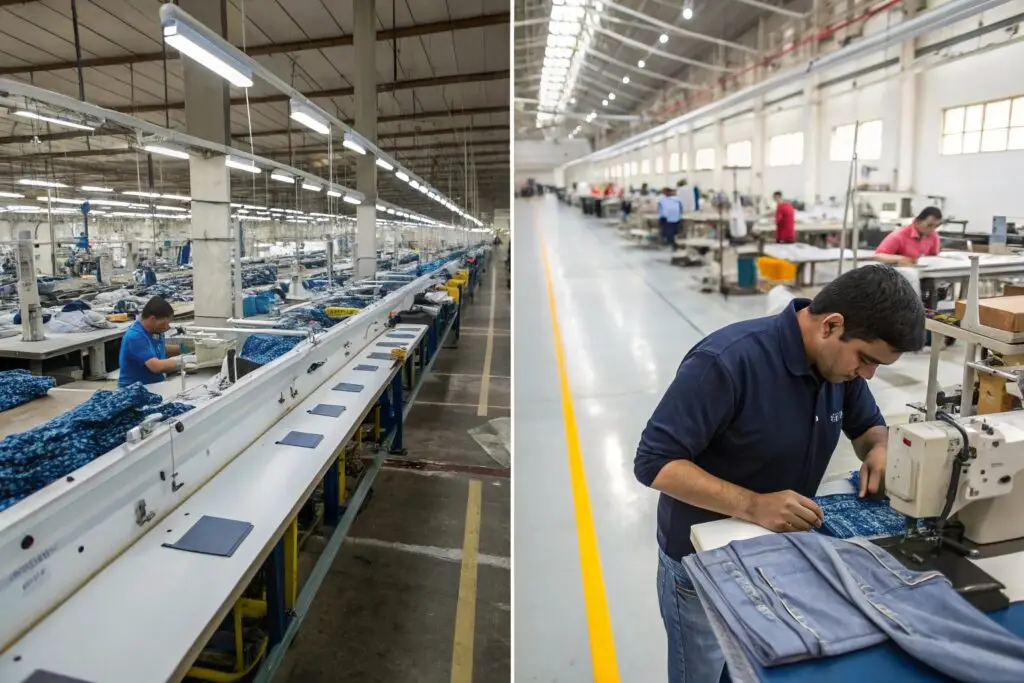
Custom manufacturing services provide businesses with tailored production solutions, allowing them to create unique, made-to-order products that meet specific requirements. Unlike mass production, custom manufacturing focuses on small-batch, high-precision, and specialized goods.
But what exactly does custom manufacturing mean, and how does it differ from traditional production methods?
This guide explores examples of custom manufacturing, its definition, different types of manufacturing services, and how it compares to materials processing.
What Are Examples of Custom Manufacturing?
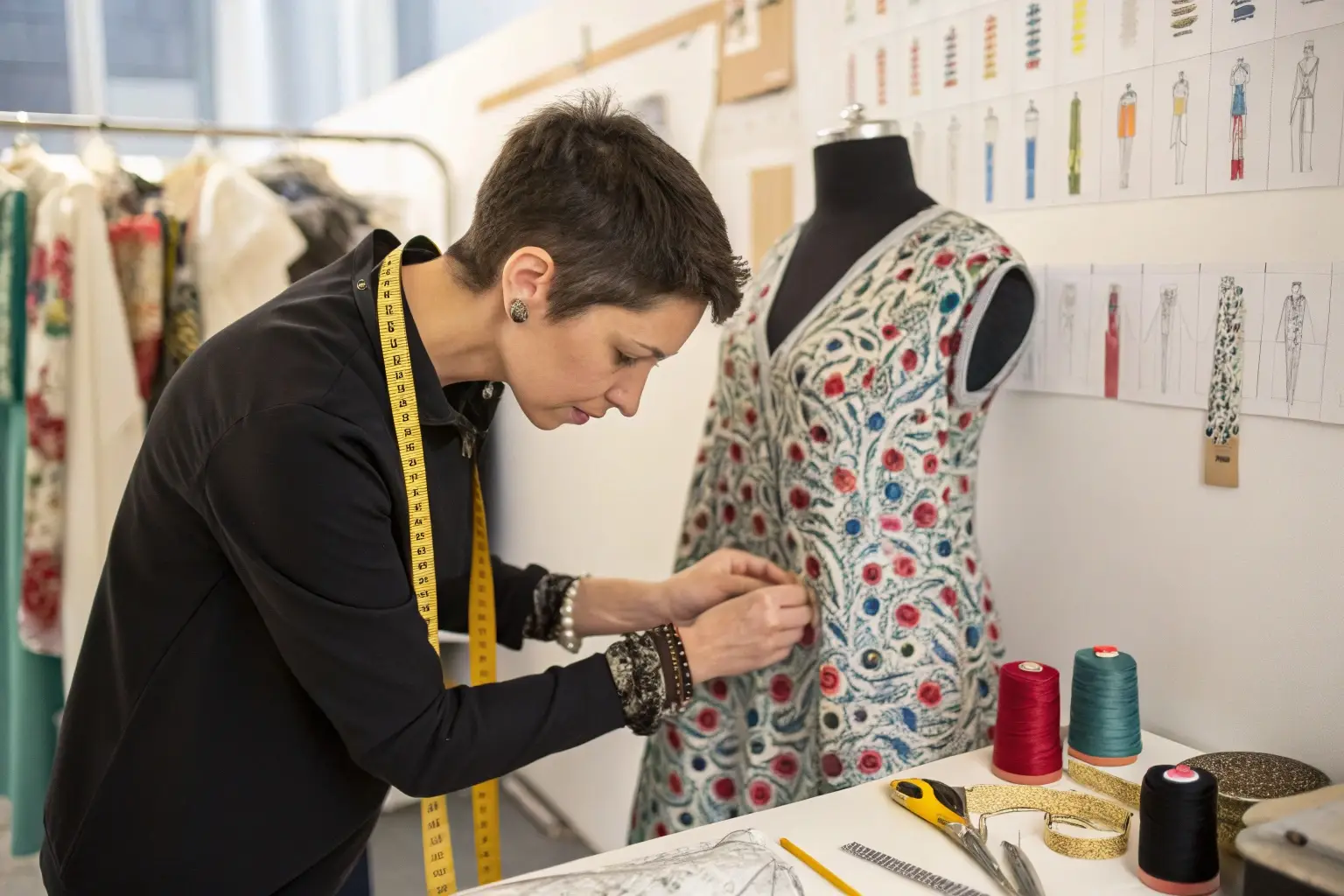
Custom manufacturing is used across various industries, from apparel and electronics to medical devices and automotive parts.
Top Industries Using Custom Manufacturing
| Industry | Example of Custom Manufacturing |
|---|---|
| Clothing & Apparel | Private-label clothing, custom embroidery, screen-printed T-shirts |
| Automotive | Customized car parts, specialty engine components |
| Medical & Healthcare | Custom prosthetics1, dental implants, surgical tools |
| Electronics | Custom PCBs (Printed Circuit Boards), specialty circuit design |
| Furniture & Home Decor | Made-to-order furniture, handcrafted woodwork |
| Aerospace & Defense | Precision-machined aircraft components, military gear |
Types of Custom Manufacturing Methods
✅ CNC Machining2 – Used in automotive, aerospace, and medical industries for high-precision parts.
✅ 3D Printing3 – Ideal for prototyping and small-batch production in fashion, healthcare, and engineering.
✅ Textile Customization – Includes cut-and-sew production, embroidery, and fabric printing.
✅ Injection Molding – Used in plastics and electronics for custom-designed components.
💡 Custom manufacturing allows businesses to create specialized products tailored to exact specifications.
What Is the Meaning of Custom Manufacturing?
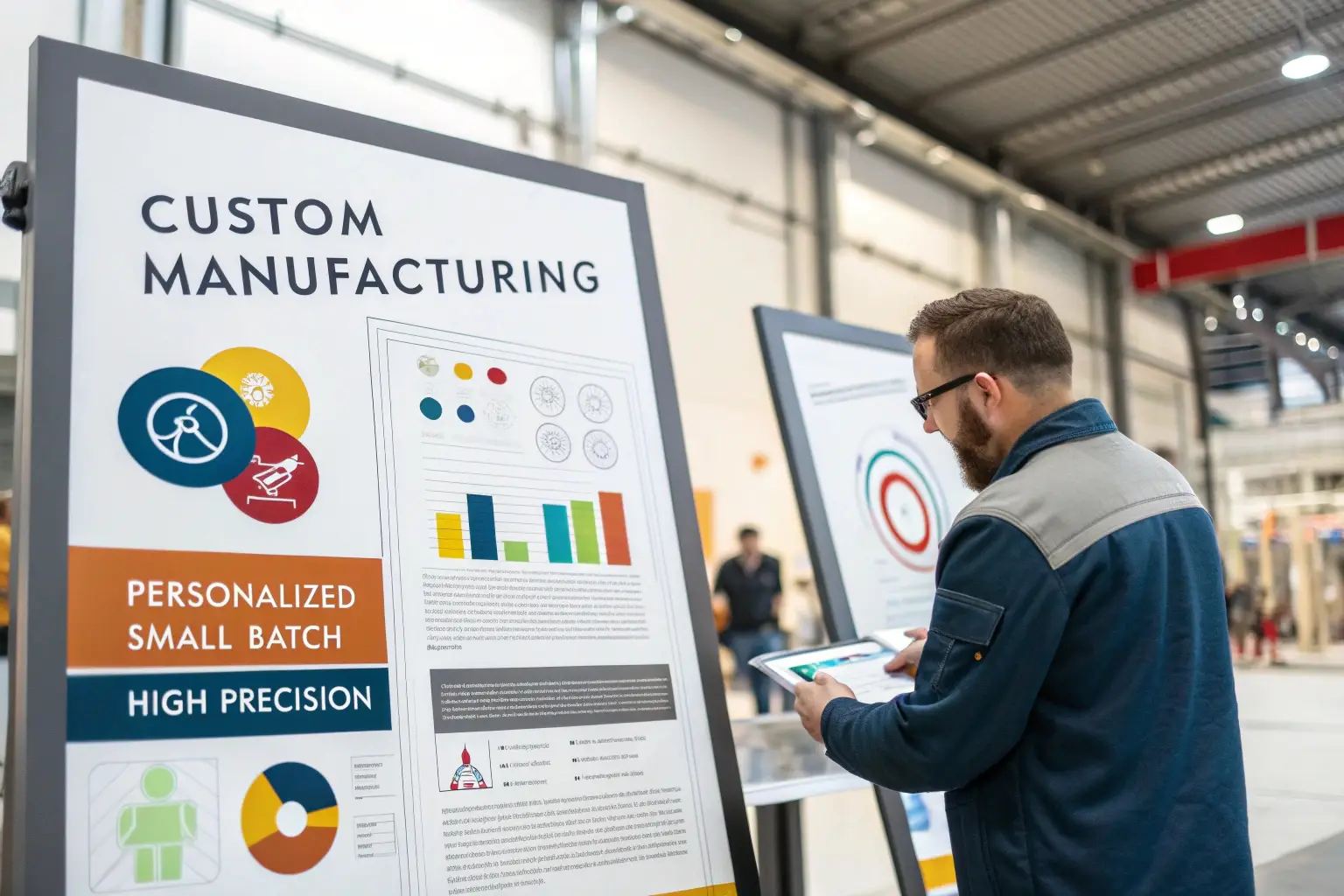
Custom manufacturing refers to the production of goods based on individual specifications, rather than mass-producing identical items.
Key Characteristics of Custom Manufacturing
| Feature | Description |
|---|---|
| Made-to-Order Production | Items are produced only when ordered, reducing excess inventory. |
| Flexible Design & Customization | Businesses can modify size, color, material, and branding. |
| Lower Volume, Higher Precision | Focuses on small-batch production with specialized details4. |
| Client-Specific Requirements | Custom manufacturers follow exact customer blueprints or designs. |
| Higher Costs, Premium Quality | Custom goods often cost more but offer superior craftsmanship. |
When Should Businesses Choose Custom Manufacturing?
✅ If they require unique branding and design flexibility5.
✅ When mass production doesn't meet their quality or customization needs.
✅ For limited-edition, niche, or high-value products6.
💡 Custom manufacturing is ideal for brands that prioritize uniqueness, quality, and personalization.
What Is Meant by Manufacturing Services?
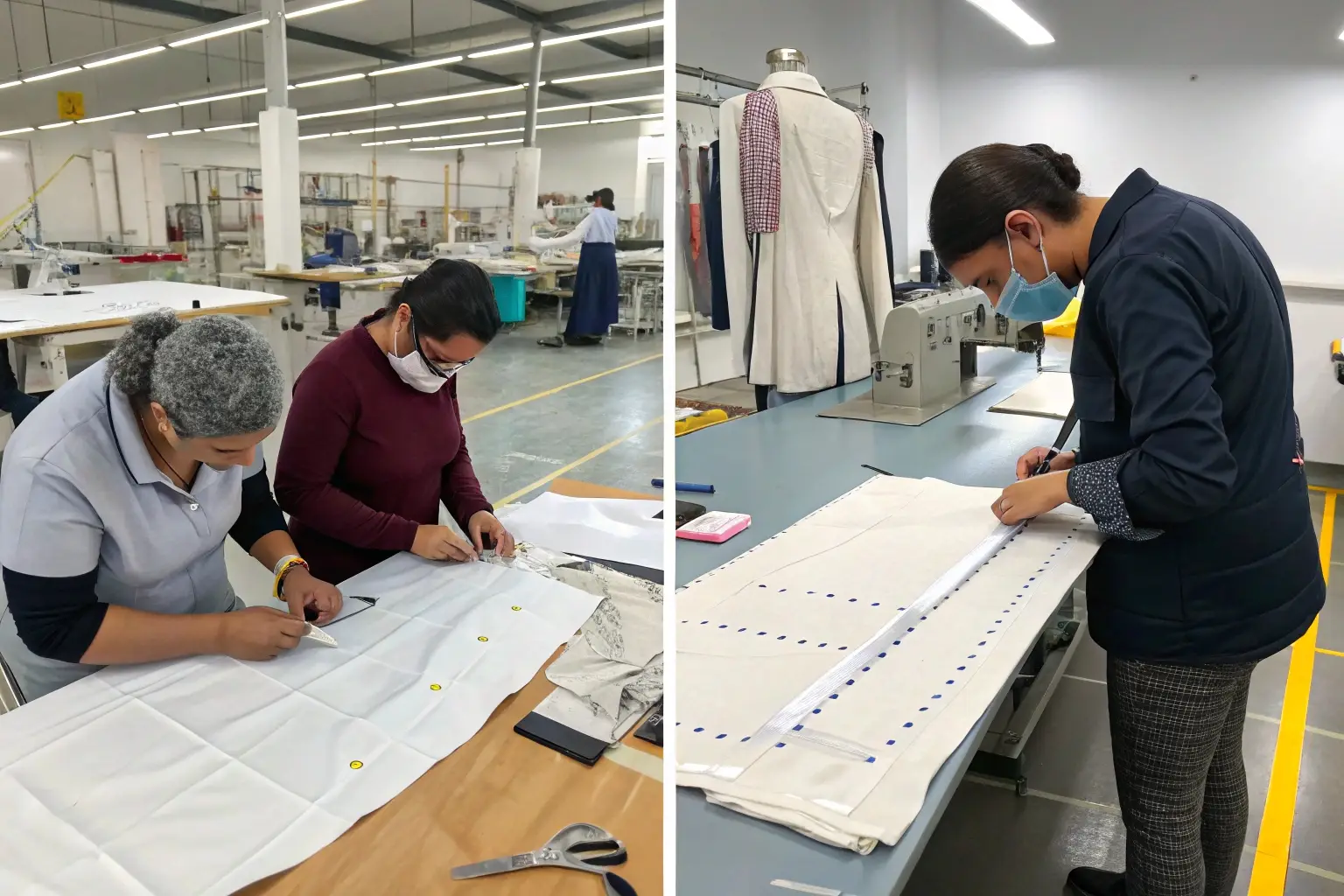
Manufacturing services include all activities involved in producing a product, from design and material selection to final assembly and distribution.
Types of Manufacturing Services
| Service | Description | Industry Use |
|---|---|---|
| OEM Manufacturing7 | Produces parts or entire products for another brand | Electronics, automotive |
| Private-Label Manufacturing | White-label production with custom branding | Clothing, cosmetics |
| Contract Manufacturing8 | Third-party production under a business’s specifications | Pharmaceuticals, industrial goods |
| Prototype & Rapid Manufacturing9 | Creates test products before mass production | Aerospace, medical devices |
| Assembly & Finishing | Final product assembly, packaging, and quality control | Consumer goods, fashion |
Benefits of Manufacturing Services
✅ Reduces production costs for brands that don’t own factories.
✅ Provides specialized expertise in engineering and product development.
✅ Ensures scalability from prototype to full-scale production.
💡 Manufacturing services help businesses bring products to market efficiently and cost-effectively.
What Is the Difference Between Custom Manufacturing and Materials Processing?
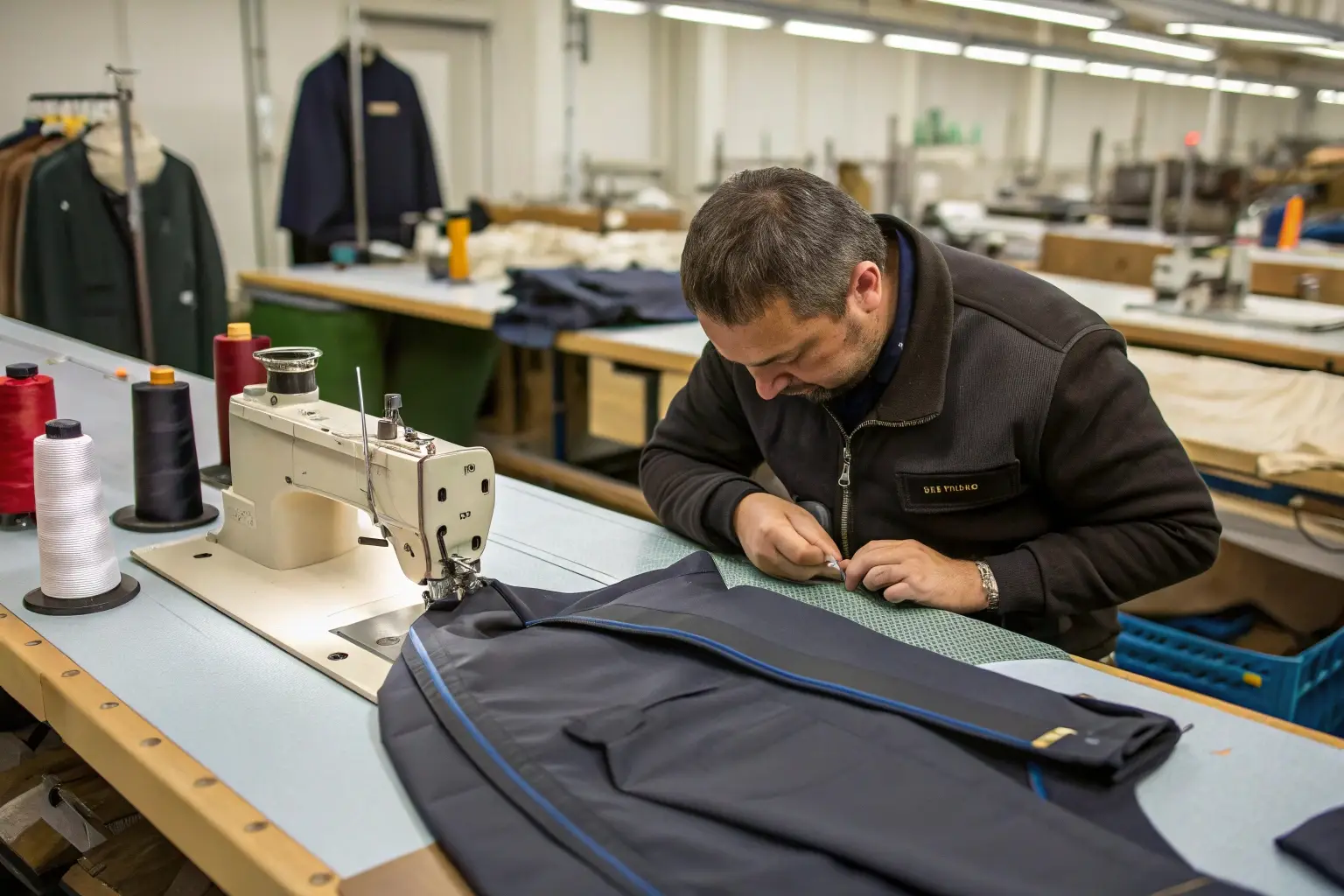
While custom manufacturing focuses on creating finished products, materials processing involves preparing raw materials for further production.
Comparison: Custom Manufacturing10 vs. Materials Processing11
| Feature | Custom Manufacturing | Materials Processing11 |
|---|---|---|
| Purpose | Produces finished, customer-specific products | Converts raw materials into usable forms |
| Examples | Custom clothing, custom-machined parts, personalized electronics | Textile dyeing, metal refining, plastic extrusion |
| Process Type | Made-to-order, small-batch, or specialized production | Large-scale preparation of bulk materials |
| End Use | Directly sold to customers or businesses | Used as components in other manufacturing processes |
Examples of Materials Processing
✅ Textile Mills – Process raw cotton or polyester into fabric.
✅ Metal Refining – Converts ore into usable metal sheets for car manufacturing.
✅ Chemical Processing – Creates raw ingredients for cosmetics and pharmaceuticals.
💡 Materials processing focuses on raw material refinement, while custom manufacturing produces the final product.
Conclusion
Custom manufacturing services provide businesses with unique, tailor-made production solutions, allowing them to create high-quality, specialized products that meet customer demands. Understanding the differences between custom manufacturing, general manufacturing services, and materials processing helps businesses make the right production choices.
Key Takeaways
✅ Custom manufacturing creates unique, small-batch, or highly specialized products.
✅ Examples include custom clothing, precision machining, and 3D printing for niche markets.
✅ Manufacturing services include OEM production, private-label manufacturing, and contract manufacturing.
✅ Custom manufacturing focuses on finished goods, while materials processing refines raw materials for production.
💡 Choosing the right custom manufacturing service ensures high-quality, tailored products for your business.
-
Explore the latest innovations in custom prosthetics to understand how technology is enhancing patient care and mobility. ↩
-
Learn about CNC machining to see how it revolutionizes precision manufacturing across various industries. ↩
-
Discover the advantages of 3D printing in custom manufacturing and how it can streamline production processes. ↩
-
Explore this link to understand how small-batch production can enhance quality and customization in manufacturing. ↩
-
Discover insights on how unique branding and design flexibility can set your business apart in a competitive market. ↩
-
Learn why focusing on limited-edition and niche products can lead to higher customer loyalty and profitability. ↩
-
Explore this link to understand how OEM Manufacturing can enhance your production efficiency and reduce costs. ↩
-
Discover the benefits of Contract Manufacturing and how it can streamline your production process. ↩
-
Learn about Prototype & Rapid Manufacturing to see how it can accelerate your product development cycle. ↩
-
Explore this link to understand the nuances of Custom Manufacturing and its unique benefits in various industries. ↩
-
Discover the essential processes of Materials Processing and how they contribute to the manufacturing industry. ↩ ↩