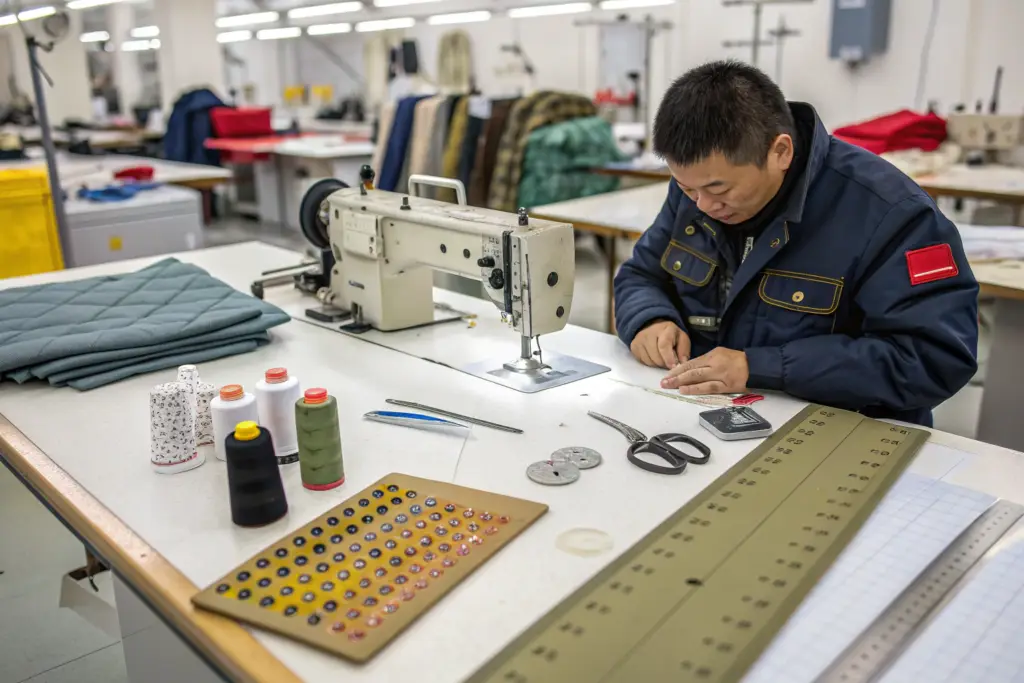
If you've ever worked with a clothing manufacturer, you've likely encountered the "sample fee." For brands, especially new ones, this can feel like an unexpected upfront cost. You might wonder: "If I'm potentially placing a large order, why can't they just make a free sample?" The answer lies in understanding the true costs, risks, and professional dynamics of the B2B apparel production world.
B2B clothing manufacturers charge sample fees to cover the substantial material, labor, and operational costs involved in creating a custom, one-off prototype. More importantly, the fee acts as a qualifying mechanism, separating serious business partners from casual inquiries, and ensures both parties are financially invested in a collaborative development process. It is a standard, professional practice that protects the factory's resources and sets the foundation for an efficient working relationship.
At Shanghai Fumao, we view the sample phase not as a sales cost, but as the first critical step in product development. Charging a fee aligns our incentives with the brand's: we are both financially committed to creating a sample that accurately leads to a successful bulk production. Let's break down the specific reasons behind this nearly universal industry practice.
What Are the Hidden Costs in Creating a Custom Sample?
The assumption that a sample is just a "small version" of bulk production is the biggest misunderstanding. A custom sample is a unique, labor-intensive project that operates outside the efficiencies of mass production. Its costs are disproportionately high per unit, and they are almost never absorbed by the future bulk order's margin.
Creating a sample involves activating multiple specialized departments and processes that have fixed costs. For a factory, dedicating these resources to a speculative project without compensation is an unsustainable business model. It would be like asking an architect to draft full building plans for free because you might hire them to construct it.
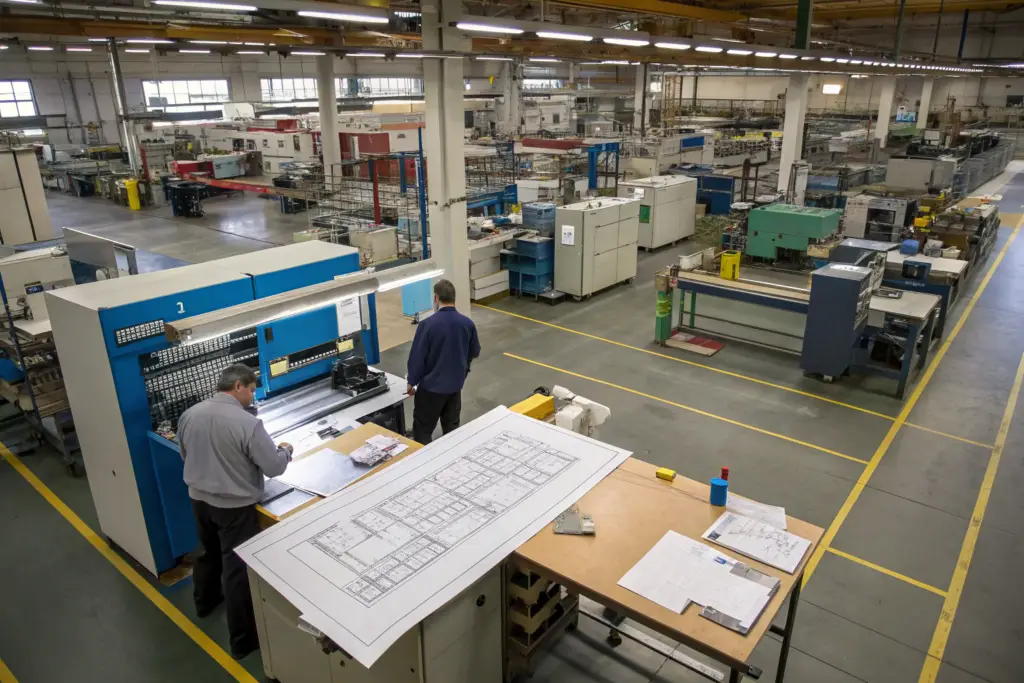
Why are material costs for samples so high?
Sample materials are procured differently than bulk materials.
- Minimum Order Quantities (MOQs): Fabric and trim mills sell in large rolls or by the thousands. To get a small amount for a sample, factories often pay a "sample surcharge"—sometimes 200-300% of the bulk price—or must purchase the full MOQ, most of which will go unused.
- Specialized Sourcing: A custom fabric or a specific button may need to be sourced from a specialty supplier, involving extra time and logistics costs.
- Wastage: Pattern making and sampling involve trial and error. More fabric is consumed in the development process than ends up in the final sample.
Last year, we developed a sample jacket requiring a specific waterproof membrane fabric. The mill's MOQ was 1,000 yards. To make two samples, we had to buy 50 yards at triple the per-yard price, incurring a material cost for the sample that was over 15 times what it would have been proportionally in bulk.
How does sample production disrupt factory workflow?
The production flow of a factory is optimized for efficiency in large runs. Sampling is the opposite:
- Skilled Labor: Sample makers are highly experienced technicians, not line workers. Their time is a premium resource.
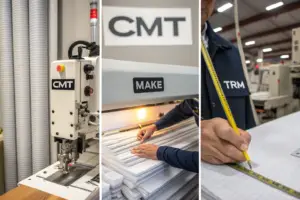
- Machine Set-Up: Setting up industrial machines (for sewing, knitting, embroidery) for a single garment takes almost as long as for hundreds, but yields only one unit.
- Opportunity Cost: The hours spent by product developers, pattern makers, and sample makers on a free sample are hours not spent on paid projects for committed clients.
A complex sample—like a tailored blazer with multiple layers and details—can take a senior sample maker 2-3 full days. This represents a direct loss if not charged for, as that maker's salary and the use of the specialized sample room are significant fixed costs for us at Shanghai Fumao.
How Do Sample Fees Protect Manufacturers and Ensure Serious Partnerships?
Beyond covering direct costs, the sample fee serves vital strategic functions. It establishes professional boundaries and creates a filter that benefits both the manufacturer and serious brands. This financial commitment is a powerful signal of intent and professionalism.
In a digital age where inquiries can come from anywhere with minimal effort, manufacturers must have mechanisms to identify partners who are genuinely ready for the investment and collaboration of custom manufacturing. The sample fee is that primary filter.
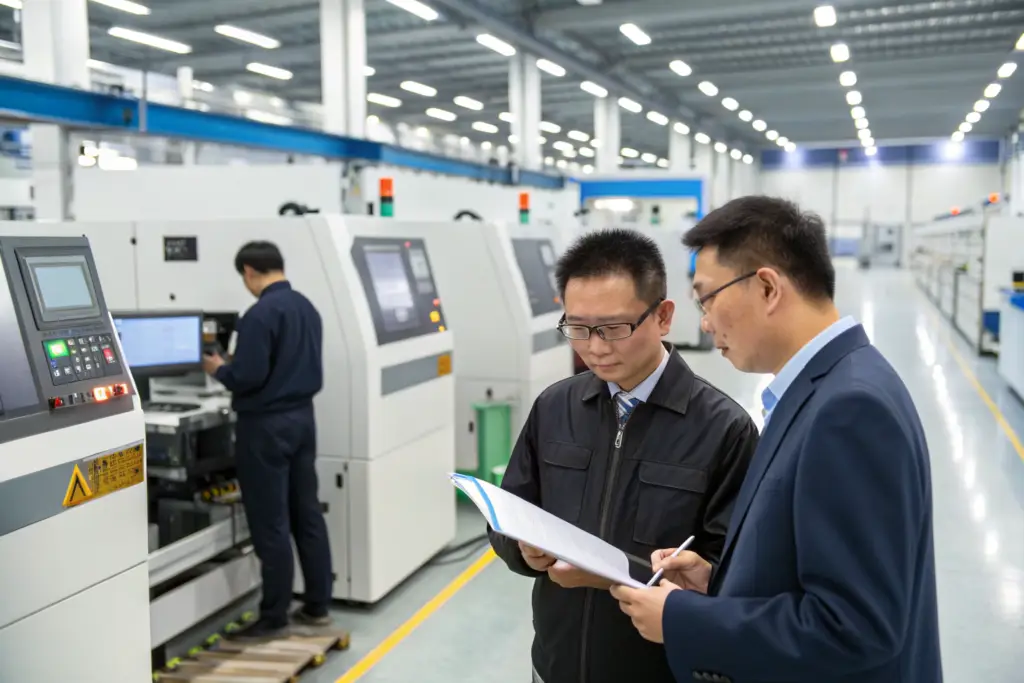
Why is the sample fee a vital qualification tool?
A manufacturer's sales and development team's time is finite. Without a fee, they can be overwhelmed by requests from:
- Individuals with ideas but no business plan.
- Brands shopping for unrealistically low prices without understanding value.
- Competitors seeking to copy techniques or styles.
By requiring a fee, we immediately engage with clients who have budgeted for development and view the sample as a necessary investment, not a freebie. This was a game-changer for our team. Before instituting a clear sample fee policy, our developers spent 40% of their time on projects that never proceeded. Now, over 85% of our sample projects convert to production orders, because the initial commitment filters for seriousness.
How does paying a fee change the client-manufacturer dynamic?
When a brand pays for a sample, the relationship shifts from "vendor-client" to "collaborative partners." Both sides are invested.
- Focused Communication: The brand provides clearer, more complete feedback because they have skin in the game.
- Realistic Expectations: The brand understands that changes and revisions have time and cost implications.
- Shared Commitment: It signals that the brand respects the factory's expertise, time, and resources.
We had a client who initially complained about our sample fee. After paying it, their communication became exceptionally detailed and organized. They later admitted, "Paying for it made us do our homework. We knew we had to be precise to get our money's worth." That project became one of our most efficient developments and a long-term partnership for our apparel manufacturing services.
What is the Industry Standard for Sample Fee Structures?
Sample fees are not arbitrary; they follow industry-standard structures that are transparent and scalable. Understanding these structures helps brands budget appropriately and negotiate fairly. The key variables are sample type, complexity, and whether the fee is credited later.
Generally, fees range from covering just hard costs (materials + labor) to including a small markup for development time. The most professional factories provide a clear breakdown or quotation before beginning any work.
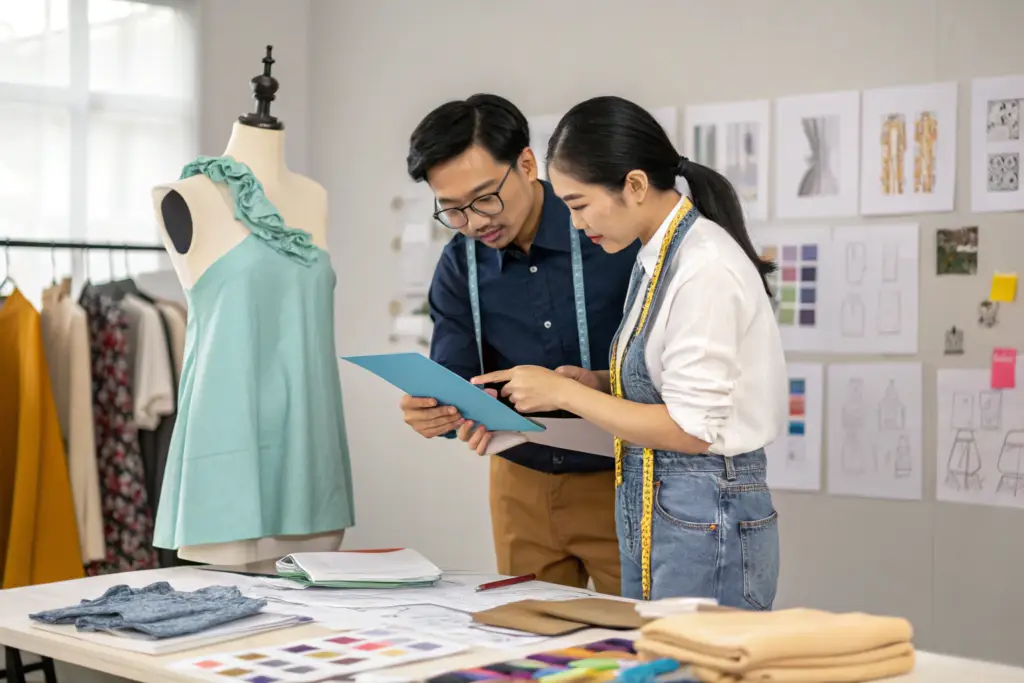
What are the different types of samples and their typical costs?
Samples occur in stages, and fees can apply to each.
- Proto Sample: The first physical sample from initial patterns. Fee Structure: Usually charged at cost (materials + labor). High variability based on garment complexity.
- Fit Sample: Adjusted based on proto feedback, focusing on sizing and silhouette. Fee Structure: Often charged, but sometimes discounted if multiple iterations are needed due to factory error.
- Salesman Sample / Pre-Production Sample (PP Sample): The final sample made with correct fabrics and trims, representing bulk quality. Fee Structure: Typically charged at or near cost. This fee is almost always credited back against the future bulk order.
For example, our standard policy at Shanghai Fumao is: Proto and Fit sample fees are non-refundable costs of development. The PP Sample fee is fully credited upon confirmation of the production order exceeding a minimum value (e.g., $5,000). This aligns our success with the client's.
When are sample fees waived or credited?
Fees are more negotiable in established relationships.
- Credit Against Future Order: This is the most common concession. The PP sample fee is deducted from the invoice of the first bulk production run.
- Waived for Volume Clients: A long-term client with a consistent order history may have sample fees waived for iterations of existing styles or new developments with a high probability of going to bulk.
- Bulk Discounts: Some factories offer a reduced fee schedule for clients committing to a certain number of sample developments per season.
We maintain a clear credit policy in our agreements. A recent startup brand paid a $450 PP sample fee for a dress. When they placed their $15,000 production order two months later, we automatically deducted the $450 from their deposit invoice. This built immense goodwill.
Transparency and clear communication from the outset are the keys to making the sample fee process smooth and productive. Brands should approach it as a necessary phase of investment, and manufacturers should justify it with professionalism and clarity.
A collaborative approach to sampling sets the tone for the entire production partnership. It’s the first real project you work on together.

What should a brand provide to minimize sample costs and iterations?
The single biggest factor in controlling sample costs is the quality of the initial information. A professional brand provides:
- A Detailed Tech Pack: This is non-negotiable. Includes flat sketches, construction details, bill of materials (BOM), measurements, and fabric/trim specifications.
- Reference Samples: Physical garments that illustrate desired fit, fabric hand-feel, or construction details.
- Clear Communication: Consolidated feedback after each sample round.
A client once sent us a tech pack for a technical jacket that was over 50 pages, including ASTM testing standards for each material. We produced a near-perfect PP sample in just two rounds because the blueprint was so clear. Their sample fee was an investment in precision, not guessing.
How should a manufacturer justify and communicate sample fees?
Professional manufacturers don't just state a price; they explain the value.
- Provide a Quotation: Break down the fee into material costs (with links to sources if possible), labor hours, and any shipping.
- Outline the Process: Explain the steps (pattern making, sourcing, sewing, fitting) and timeline.
- State the Credit Policy Clearly: Upfront, in writing, specify if and how the fee can be credited.
- Show Portfolio Work: Demonstrate past sample-to-production success stories.
At Shanghai Fumao, we send a formal Sample Development Agreement that includes all the above. We frame the fee as "Project Initiation Cost" and outline the 3-5 touchpoints where the client will give feedback. This professional framing has drastically reduced questions and established us as experts, not just suppliers.
Conclusion
The sample fee in B2B clothing manufacturing is far more than a simple line item; it is a fundamental principle of professional, sustainable collaboration. It covers the very real and high costs of custom prototype creation, safeguards a factory's most valuable resources (time and skill), and ensures that both parties enter the development phase with aligned commitment and seriousness.
For brands, paying a sample fee should be seen as buying the first, most important piece of your collection: the blueprint for everything that follows. It's an investment in quality, accuracy, and a partnership built on mutual respect. For manufacturers like us at Shanghai Fumao, it allows us to dedicate our best talent and care to your project, setting the stage for a smooth, successful, and scalable production run.
If you have a design vision and are looking for a manufacturing partner who treats the sample process with the strategic importance it deserves, we should talk. Our structured development process is designed to turn your ideas into market-ready products efficiently. Contact our Business Director, Elaine, at elaine@fumaoclothing.com to discuss your project and receive a transparent, detailed sample development proposal.