I often meet buyers who need a clear answer to this question: What Is the Difference Between MOQ and MPQ in Garments? A low quote or polished sales message can make the decision feel easy. The real risk appears later. Fabric may change, samples may not match bulk goods, or production may miss the selling window. I have seen buyers lose margin because they approved details too quickly. I use a proof-based process at Fumao Clothing so an American brand can judge cost, quality, compliance, and delivery before committing to bulk production.
The practical answer to what is the difference between moq and mpq in garments is to define the product, verify the supplier, approve measurable samples, and calculate the full landed cost before placing the order. A buyer should compare factories by relevant production experience, material records, communication speed, quality controls, realistic lead time, and shipping responsibility.
I will explain the decision in four parts. I will use the same questions that I use when reviewing an inquiry in our Chinese garment factory. These steps help a buyer control risk without making the sourcing process slow or difficult.
What Do MOQ and MPQ Mean in Garments?
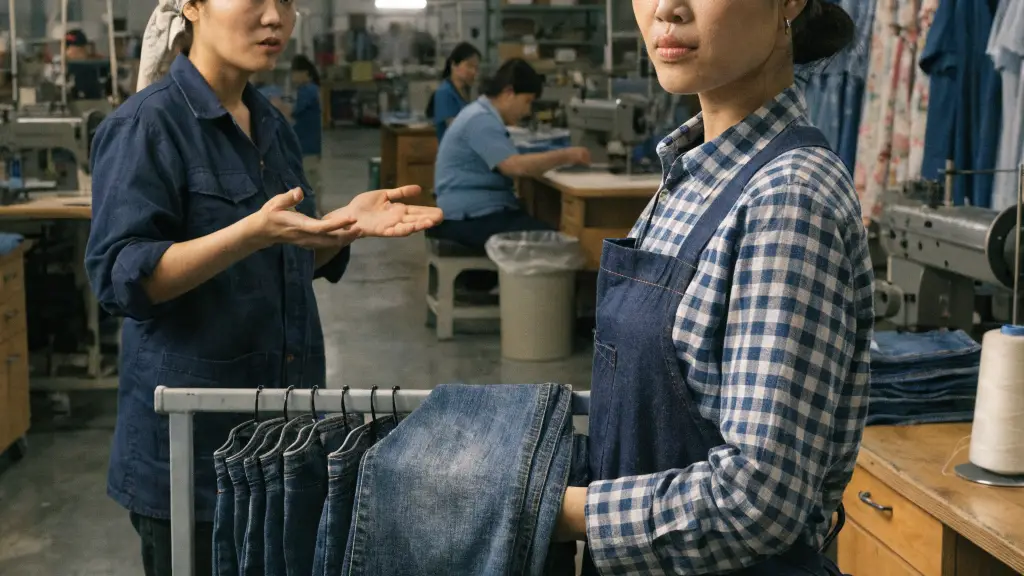
What Do MOQ and MPQ Mean in Garments? Buyers often discover this issue after sampling has started. At that point, changing fabric, construction, price, or timing can be expensive. I prefer to settle the decision during supplier review. I ask the factory to show a similar product and explain the exact production method.
The direct answer is to evaluate what do moq and mpq mean in garments with physical samples and written records. A reliable factory should explain what it can make, what it must outsource, which tolerances it can hold, how it checks defects, and when each milestone will finish.
In my experience, what is the difference between moq and mpq in garments becomes manageable when the buyer separates facts from assumptions. I check product specifications, material source, MOQ, price tiers, sample approvals, inline inspection, final inspection, and export planning. I also compare the answer from sales with the answer from technicians and production managers. The table shows the records I would request before approval.
| Buyer Decision | Evidence to Request | Factory Action | Risk Controlled |
|---|---|---|---|
| Product specification | Approved tech pack and sample | Confirm every construction detail | Wrong fit or styling |
| Material | Swatch, composition, and test result | Reserve verified fabric | Shrinkage or color failure |
| Price | Itemized quote at three quantities | Explain cost drivers | Weak margin or hidden cost |
| Quality | Inspection checklist and defect standard | Check inline and before packing | Returns and brand damage |
| Timing | Written sample and bulk schedule | Report each milestone | Missed selling season |
| Shipping | FOB and DDP landed-cost options | Prepare accurate export records | Customs delay or surprise duty |
What proof should buyers request for step 1?
I ask buyers to turn what do moq and mpq mean in garments? into written evidence before they approve an order. I request a relevant sample, material details, measurement tolerances, price assumptions, and a dated production plan. This step matters for what is the difference between moq and mpq in garments because a confident sales answer is not the same as production proof. I compare the factory's documents with the physical sample, then I record every approval. Useful independent references include U.S. Customs and Border Protection and FTC textile labeling guidance. I also explain this approach in Fumao Clothing, which gives buyers another practical reference.
How can buyers reduce risk in step 1?
I reduce risk in what do moq and mpq mean in garments? by testing one decision at a time. I confirm the fabric first, then fit, workmanship, branding, packaging, and shipping. I do not accept a vague promise such as 'same as sample' when a measurable tolerance can be written. I also ask who owns each deadline and what happens if a result fails. This simple control keeps what is the difference between moq and mpq in garments connected to cost, quality, and delivery. Buyers can compare guidance from CPSC business guidance and Textile Exchange before making the final decision.
Why Do Factories Set Different Minimums?
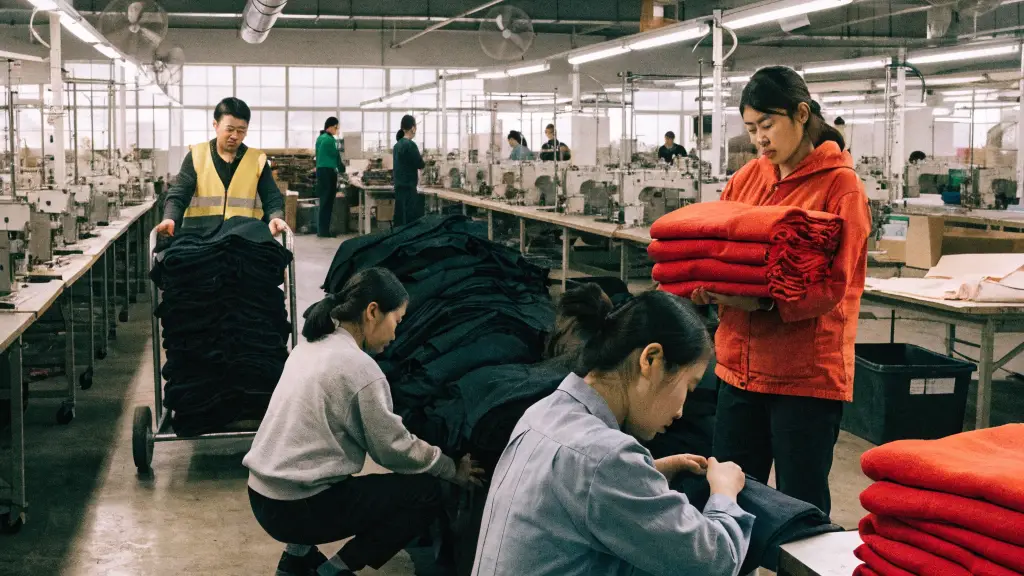
Why Do Factories Set Different Minimums? Buyers often discover this issue after sampling has started. At that point, changing fabric, construction, price, or timing can be expensive. I prefer to settle the decision during supplier review. I ask the factory to show a similar product and explain the exact production method.
The direct answer is to evaluate why do factories set different minimums with physical samples and written records. A reliable factory should explain what it can make, what it must outsource, which tolerances it can hold, how it checks defects, and when each milestone will finish.
In my experience, what is the difference between moq and mpq in garments becomes manageable when the buyer separates facts from assumptions. I check product specifications, material source, MOQ, price tiers, sample approvals, inline inspection, final inspection, and export planning. I also compare the answer from sales with the answer from technicians and production managers. The table shows the records I would request before approval.
| Buyer Decision | Evidence to Request | Factory Action | Risk Controlled |
|---|---|---|---|
| Product specification | Approved tech pack and sample | Confirm every construction detail | Wrong fit or styling |
| Material | Swatch, composition, and test result | Reserve verified fabric | Shrinkage or color failure |
| Price | Itemized quote at three quantities | Explain cost drivers | Weak margin or hidden cost |
| Quality | Inspection checklist and defect standard | Check inline and before packing | Returns and brand damage |
| Timing | Written sample and bulk schedule | Report each milestone | Missed selling season |
| Shipping | FOB and DDP landed-cost options | Prepare accurate export records | Customs delay or surprise duty |
What proof should buyers request for step 2?
I ask buyers to turn why do factories set different minimums? into written evidence before they approve an order. I request a relevant sample, material details, measurement tolerances, price assumptions, and a dated production plan. This step matters for what is the difference between moq and mpq in garments because a confident sales answer is not the same as production proof. I compare the factory's documents with the physical sample, then I record every approval. Useful independent references include Global Organic Textile Standard and amfori BSCI.
How can buyers reduce risk in step 2?
I reduce risk in why do factories set different minimums? by testing one decision at a time. I confirm the fabric first, then fit, workmanship, branding, packaging, and shipping. I do not accept a vague promise such as 'same as sample' when a measurable tolerance can be written. I also ask who owns each deadline and what happens if a result fails. This simple control keeps what is the difference between moq and mpq in garments connected to cost, quality, and delivery. Buyers can compare guidance from ISO quality management and SGS textile testing before making the final decision. I also explain this approach in choosing a clothing manufacturer, which gives buyers another practical reference.
How Can Buyers Negotiate Order Minimums?
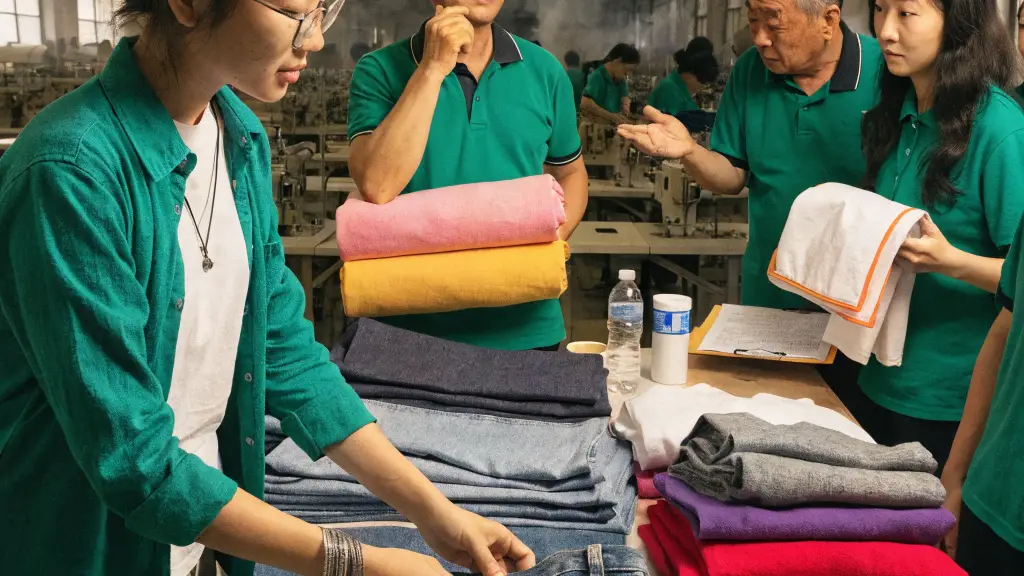
How Can Buyers Negotiate Order Minimums? Buyers often discover this issue after sampling has started. At that point, changing fabric, construction, price, or timing can be expensive. I prefer to settle the decision during supplier review. I ask the factory to show a similar product and explain the exact production method.
The direct answer is to evaluate how can buyers negotiate order minimums with physical samples and written records. A reliable factory should explain what it can make, what it must outsource, which tolerances it can hold, how it checks defects, and when each milestone will finish.
In my experience, what is the difference between moq and mpq in garments becomes manageable when the buyer separates facts from assumptions. I check product specifications, material source, MOQ, price tiers, sample approvals, inline inspection, final inspection, and export planning. I also compare the answer from sales with the answer from technicians and production managers. The table shows the records I would request before approval.
| Buyer Decision | Evidence to Request | Factory Action | Risk Controlled |
|---|---|---|---|
| Product specification | Approved tech pack and sample | Confirm every construction detail | Wrong fit or styling |
| Material | Swatch, composition, and test result | Reserve verified fabric | Shrinkage or color failure |
| Price | Itemized quote at three quantities | Explain cost drivers | Weak margin or hidden cost |
| Quality | Inspection checklist and defect standard | Check inline and before packing | Returns and brand damage |
| Timing | Written sample and bulk schedule | Report each milestone | Missed selling season |
| Shipping | FOB and DDP landed-cost options | Prepare accurate export records | Customs delay or surprise duty |
What proof should buyers request for step 3?
I ask buyers to turn how can buyers negotiate order minimums? into written evidence before they approve an order. I request a relevant sample, material details, measurement tolerances, price assumptions, and a dated production plan. This step matters for what is the difference between moq and mpq in garments because a confident sales answer is not the same as production proof. I compare the factory's documents with the physical sample, then I record every approval. Useful independent references include Intertek textile services and International Trade Administration.
How can buyers reduce risk in step 3?
I reduce risk in how can buyers negotiate order minimums? by testing one decision at a time. I confirm the fabric first, then fit, workmanship, branding, packaging, and shipping. I do not accept a vague promise such as 'same as sample' when a measurable tolerance can be written. I also ask who owns each deadline and what happens if a result fails. This simple control keeps what is the difference between moq and mpq in garments connected to cost, quality, and delivery. Buyers can compare guidance from Shopify business resources and Alibaba sourcing marketplace before making the final decision.
How Does Fumao Explain MOQ and MPQ?
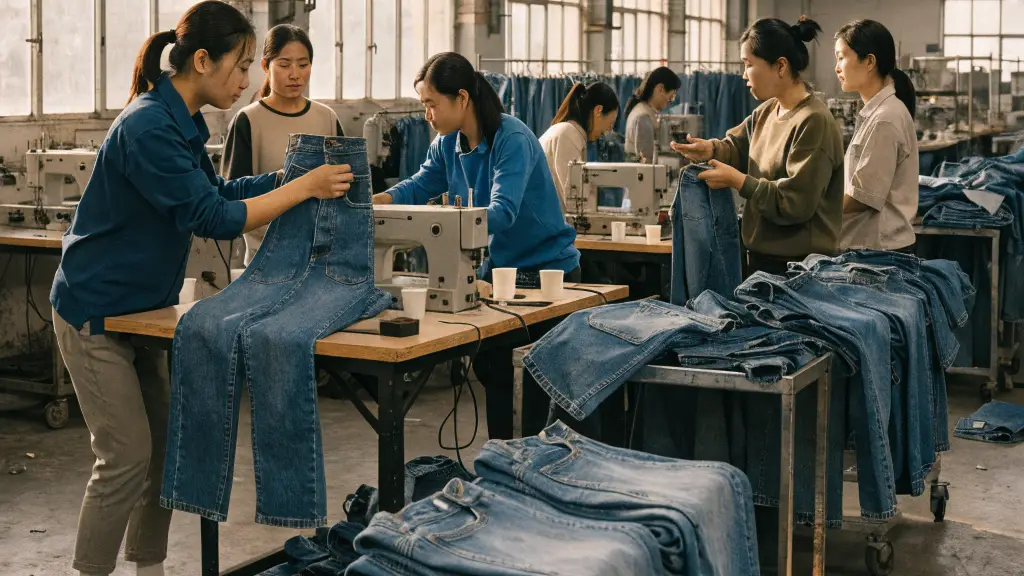
How Does Fumao Explain MOQ and MPQ? Buyers often discover this issue after sampling has started. At that point, changing fabric, construction, price, or timing can be expensive. I prefer to settle the decision during supplier review. I ask the factory to show a similar product and explain the exact production method.
The direct answer is to evaluate how does fumao explain moq and mpq with physical samples and written records. A reliable factory should explain what it can make, what it must outsource, which tolerances it can hold, how it checks defects, and when each milestone will finish.
In my experience, what is the difference between moq and mpq in garments becomes manageable when the buyer separates facts from assumptions. I check product specifications, material source, MOQ, price tiers, sample approvals, inline inspection, final inspection, and export planning. I also compare the answer from sales with the answer from technicians and production managers. The table shows the records I would request before approval.
| Buyer Decision | Evidence to Request | Factory Action | Risk Controlled |
|---|---|---|---|
| Product specification | Approved tech pack and sample | Confirm every construction detail | Wrong fit or styling |
| Material | Swatch, composition, and test result | Reserve verified fabric | Shrinkage or color failure |
| Price | Itemized quote at three quantities | Explain cost drivers | Weak margin or hidden cost |
| Quality | Inspection checklist and defect standard | Check inline and before packing | Returns and brand damage |
| Timing | Written sample and bulk schedule | Report each milestone | Missed selling season |
| Shipping | FOB and DDP landed-cost options | Prepare accurate export records | Customs delay or surprise duty |
What proof should buyers request for step 4?
I ask buyers to turn how does fumao explain moq and mpq? into written evidence before they approve an order. I request a relevant sample, material details, measurement tolerances, price assumptions, and a dated production plan. This step matters for what is the difference between moq and mpq in garments because a confident sales answer is not the same as production proof. I compare the factory's documents with the physical sample, then I record every approval. Useful independent references include Sourcing Journal and Women's Wear Daily. I also explain this approach in garment quality control, which gives buyers another practical reference.
How can buyers reduce risk in step 4?
I reduce risk in how does fumao explain moq and mpq? by testing one decision at a time. I confirm the fabric first, then fit, workmanship, branding, packaging, and shipping. I do not accept a vague promise such as 'same as sample' when a measurable tolerance can be written. I also ask who owns each deadline and what happens if a result fails. This simple control keeps what is the difference between moq and mpq in garments connected to cost, quality, and delivery. Buyers can compare guidance from Just Style and Fibre2Fashion before making the final decision.
Conclusion
I treat what is the difference between moq and mpq in garments as a commercial decision, not a quick supplier search. A clear specification protects price. Approved samples protect quality. Written milestones protect delivery. Verified documents protect customs clearance and brand trust. Shanghai Fumao operates five production lines and supports product development, full-package manufacturing, quality control, and DDP shipping for American and European buyers. We will not add any possible extra tariffs on China-to-US products to your factory quotation. Contact our Business Director Elaine at elaine@fumaoclothing.com to discuss your next apparel order.
#shagnhaigarment #fumao #fumaoclothing #MOQ #MPQ #garmentminimums #lowMOQ #apparelcosting #clothingfactory #sourcingstrategy