Open account terms can feel like a necessary leap of faith to secure business with overseas buyers. It offers a competitive edge, but in the high-stakes, fast-paced world of garment trade, this trust-based payment method often comes with significant, sometimes hidden, costs that can threaten your entire operation. Understanding and mitigating these risks is not just prudent; it's essential for survival and sustainable growth.
An open account in garment trade involves shipping goods first and receiving payment later, typically 30, 60, or 90 days after shipment. This arrangement transfers nearly all the financial and commercial risk onto the supplier, making it one of the riskiest payment methods for apparel manufacturers. While it may be demanded by buyers, blindly agreeing to it can lead to cash flow paralysis, bad debt, and a loss of control over your own business destiny. The key is not to avoid it entirely but to approach it with a strategic framework of verification, protection, and clear communication.
For us at Shanghai Fumao, navigating the delicate balance between building trust and protecting our business has been a core part of our journey as a leading apparel manufacturer. We've learned that a proactive, informed strategy is the best defense against the vulnerabilities of open account terms. Let's explore the specific risks and how you can build a robust system to manage them.
How Can Open Account Terms Negatively Impact Cash Flow?
Accepting open account payment terms is essentially providing your buyer with a short-term, interest-free loan. For a garment factory, where margins are often tight and upfront costs for fabrics, trims, and labor are substantial, this can create a severe financial strain. Your working capital is tied up in inventory and shipped goods long before you see any revenue.
The impact is direct and often immediate. You pay your fabric mills and workers upfront or on much shorter terms, but your income is delayed by months. This mismatch can halt your ability to fund new projects, purchase materials for the next order, or even meet basic operational expenses. A single large order on open account can freeze your financial flexibility.
What is the direct financial strain of delayed payments?
The most obvious strain is on your liquidity. Imagine you produce a $100,000 shipment of knitted sweaters. The working capital for this order is locked from the moment you buy yarn until you receive payment, possibly 120 days later. During this period, you cannot use that capital for other profitable activities. If a buyer delays payment even by two weeks, you might miss a critical payment to a key fabric supplier, damaging that relationship. We once had to defer investing in new, more efficient sewing machines because two major clients simultaneously extended their payment windows from 60 to 90 days, holding back nearly $300,000 in receivables. This directly slowed our capacity growth for six months.
How does it affect production planning and new orders?
Unpredictable cash inflow makes planning nearly impossible. You cannot confidently schedule new production lines, hire temporary workers for peak seasons, or secure bulk discounts on fabrics without a clear view of your cash position. Reliable production planning requires financial certainty. A brand might promise a large follow-up order, but if their previous payment is still outstanding, financing the new production becomes a high-risk gamble. You are forced to either reject new business or take on debt, eroding your profit margins with interest costs. This cycle can trap a factory in a reactive state, always chasing payments to fund the next job rather than strategically growing.
What Are the Risks of Buyer Insolvency or Default?
This is the most catastrophic risk associated with open account terms. Once goods are shipped and title transfers, you have little to no leverage if the buyer's business fails or they simply refuse to pay. Unlike letters of credit, there is no bank guarantee. You are left with a bad debt and a warehouse worth of goods that are now customized for a specific brand, making them difficult to resell.
The fashion market is volatile. Brands can fail quickly, especially smaller ones. Even larger distributors can face sudden cash crunches. Without protection, your company absorbs the full loss of materials, labor, and overhead. We learned this early on; about eight years ago, a mid-sized European retailer defaulted on a $85,000 outerwear order after the goods had already arrived at their port. They filed for bankruptcy, and we recovered less than 10 cents on the dollar through a lengthy legal process. That loss funded a hard lesson in risk assessment.
How can you assess a buyer's creditworthiness?
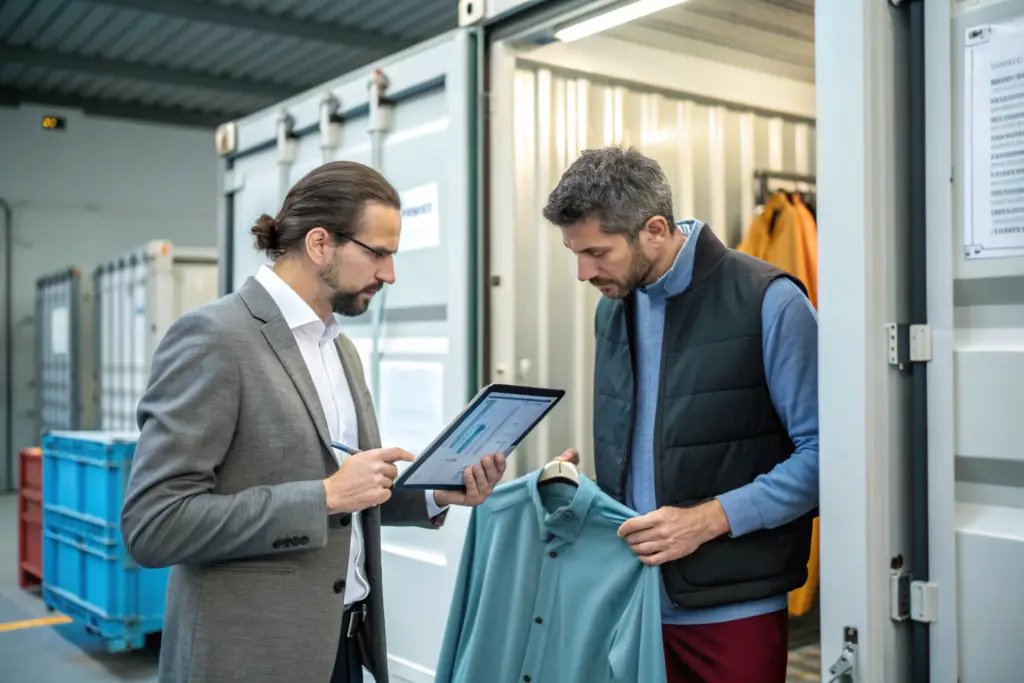
Do not rely on gut feeling or the size of a buyer's website. Conduct formal due diligence. This includes:
- Requesting trade references from their other suppliers.
- Using professional credit reporting agencies (like Dun & Bradstreet for U.S. companies) to get a credit score and report.
- Analyzing their financial health if they are a public company.
- Starting with a small, trial order before committing to large volumes on open account.
We now have a mandatory checklist for any new client requesting open account terms. The table below outlines our key verification steps:
| Verification Step | Action Item | Goal |
|---|---|---|
| Company Legal Check | Verify business registration and years in operation. | Confirm legitimate, established entity. |
| Bank Reference | Request a reference from the buyer's bank (with their permission). | Gauge banking relationship stability. |
| Supplier References | Contact 2-3 of their current garment suppliers. | Understand their payment history and reputation. |
| Credit Report | Purchase a report from a reputable international agency. | Obtain an objective financial risk score. |
| Public Record Search | Check for any major litigation or bankruptcy filings. | Identify red flags in legal history. |
What legal recourses exist, and how effective are they?
Legal action is a last resort and often a disappointing one. Pursuing international debt collection is expensive, time-consuming, and outcomes are uncertain due to differing legal systems. Even if you win a judgment in your favor, enforcing it in the buyer's country can be difficult and costly. The process can take years, and legal fees may exceed the debt itself. Therefore, prevention through credit insurance or secure payment terms is far more effective than cure through litigation. It's crucial to understand the legal complexities of cross-border trade before goods leave your factory.
How Does Open Account Increase Quality and Dispute Risks?
After shipment under open account, your leverage to ensure fair treatment in case of a dispute diminishes significantly. The buyer controls the payment. If they claim there are quality issues—whether legitimate, exaggerated, or fabricated—they may demand a substantial discount or refuse to pay altogether. You are in a weak position to verify the claims once the goods are in their possession.
Disputes over quality can arise from subjective opinions, changed market conditions (the buyer can't sell the goods), or simple bad faith. Without the negotiating power that a secured payment method provides, you may be forced to accept a loss to recover some portion of your money. A common tactic is for a buyer to claim a minor, non-critical defect and ask for a 30% price reduction, knowing the supplier has few good options.
Why is pre-shipment inspection critical?
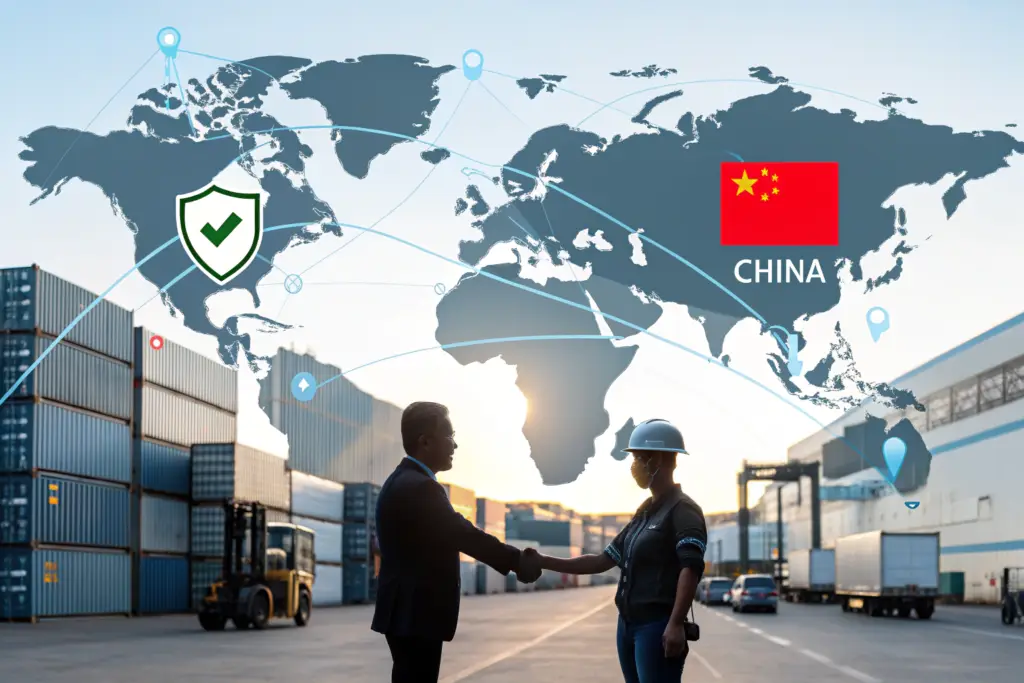
The most powerful tool you have is a rigorous, documented, and mutually agreed-upon pre-shipment inspection process. This shifts the quality verification to a point where you still have control over the goods. We implement a strict protocol: First, our internal QC team does a full inspection. Then, we invite the buyer or their appointed third-party inspector (like SGS or Bureau Veritas) to conduct a final audit at our facility. An independent pre-shipment inspection report signed by both parties serves as an objective record of the goods' condition before they leave our dock. This document is invaluable in resolving any post-shipment quality claims.
How can clear contracts and documentation protect you?
Ambiguity is your enemy. Your sales contract must be explicit. It should detail:
- Approved Samples: State that production goods must match the approved, sealed samples.
- Inspection Rights: Specify the timing and standard (e.g., AQL levels) for inspections.
- Dispute Resolution Mechanism: Define a process for handling claims, including timelines for notification and the use of inspection reports as evidence.
- Jurisdiction: Clarify which country's laws govern the contract.
For every order, we create a digital dossier that includes fabric test reports from certified labs, photos of production runs, and the signed inspection report. This level of documentation control has helped us successfully defend against unfair discount requests on multiple occasions, including a case last year where a client's claim was resolved within days because we could provide timestamped video evidence of the packing process.
What Strategies Can Mitigate Open Account Risks?
While open account is risky, a combination of financial tools, process controls, and strategic partnership can make it a manageable, and even advantageous, part of your business model. The goal is to systematically transfer or share the risk, not just hope it doesn't materialize.
Mitigation turns a blind risk into a calculated one. It involves investing in security much like you invest in good sewing machines—it's a cost of doing business that protects your primary asset: your revenue. At Shanghai Fumao, our approach is layered. We never rely on a single method but combine several to create a safety net for our operations and our clients' supply chains.

Is export credit insurance worth the investment?
For businesses consistently trading on open account, export credit insurance is arguably the most important financial tool. It protects you against buyer insolvency and protracted default. You pay a premium (typically a percentage of the invoice value), and the insurer covers a large portion (often 80-90%) of the loss if the buyer fails to pay. This not only safeguards your cash flow but also empowers you to offer more competitive terms confidently. After our early default experience, we secured a policy. It gave us the confidence to profitably grow with newer brands, knowing our downside was limited. It's a critical component for any serious apparel exporter looking to scale.
How do Incoterms and logistics control reduce risk?
Your choice of Incoterms significantly impacts risk. Shipping under EXW or FOB terms gives the buyer control over the main international freight and logistics. If a dispute arises, they can easily withhold goods or cause delays. We strongly advocate for DDP (Delivered Duty Paid) arrangements where we, as the supplier, manage the entire logistics chain to the buyer's designated warehouse in the U.S. This gives us visibility and control. We know exactly where the goods are, and more importantly, we retain a degree of leverage until final delivery is completed. Our Shanghai Fumao DDP service ensures a seamless, transparent journey, removing logistical uncertainty as a point of failure and building deeper trust with partners who value reliability over just the lowest price.
Can hybrid payment terms provide a solution?
Absolutely. A blended approach is often the most practical first step. Instead of 100% open account, propose safer alternatives:
- Partial Deposit: Request 30% upfront via T/T with 70% on open account. This covers your basic material costs.
- Documentary Collection: Use banks to handle shipping documents; the buyer can only receive them upon payment (D/P) or a promise to pay (D/A). This adds a layer of formality.
- Milestone Payments: Tie payments to production milestones (e.g., 30% upon fabric purchase, 40% upon completion, 30% after shipment).
We frequently negotiate a 30% deposit for all first-time orders, regardless of the buyer's size. This demonstrates commitment and shares the initial financial burden. It's a fair compromise that has become a standard part of our full-package manufacturing proposal.
Conclusion
The risks of open account in garment trade are real and multifaceted, impacting cash flow, exposing you to buyer default, and increasing vulnerability to post-shipment disputes. However, these risks are not unmanageable prohibitions. They are challenges that demand a strategic, disciplined response. By implementing rigorous credit checks, investing in export credit insurance, enforcing documented quality control protocols, and using strategic Incoterms like DDP, you can transform open account from a liability into a tool for building stronger, more trusting client relationships.
The foundation of it all is partnership. At Shanghai Fumao, we believe a true partnership means both parties share responsibility for success and mitigate risks together. We have built our systems and services—from integrated product development to controlled DDP logistics—to provide our partners with not just high-quality apparel, but also the security and peace of mind they need to thrive in the competitive U.S. market. We don't just manufacture clothes; we engineer reliable supply chains.
If you are looking for a manufacturing partner who understands these complexities and has built a robust framework to protect your interests as well as our own, let's talk. We can help you navigate payment terms and build a secure, profitable sourcing strategy. To discuss how we can bring your next apparel project to market with confidence, please contact our Business Director, Elaine, at elaine@fumaoclothing.com.