I often hear this question from American apparel founders: How Can Buyers Select a Dependable Fabric Supplier in China? The wrong early decision can lock cash into weak products, unreliable materials, or slow inventory. That risk is especially high when a buyer develops verified apparel fabrics with a new overseas supplier. I have seen good brand ideas lose margin because the buyer compared quotes but did not compare proof. At Fumao Clothing, I start with product facts, customer demand, measurable quality, and a realistic delivery plan.
The practical answer to how can buyers select a dependable fabric supplier in china is to define the target customer, product specification, quality standard, order quantity, price, and delivery method before bulk production. A buyer should verify relevant factory experience, approve physical samples, check materials and certificates, and calculate the full landed cost.
I will break the decision into four clear parts. I use these same checks when our five production lines review a new inquiry. The process keeps communication simple and helps buyers protect quality, margin, and selling dates.
Where Can Reliable Fabric Mills Be Found?
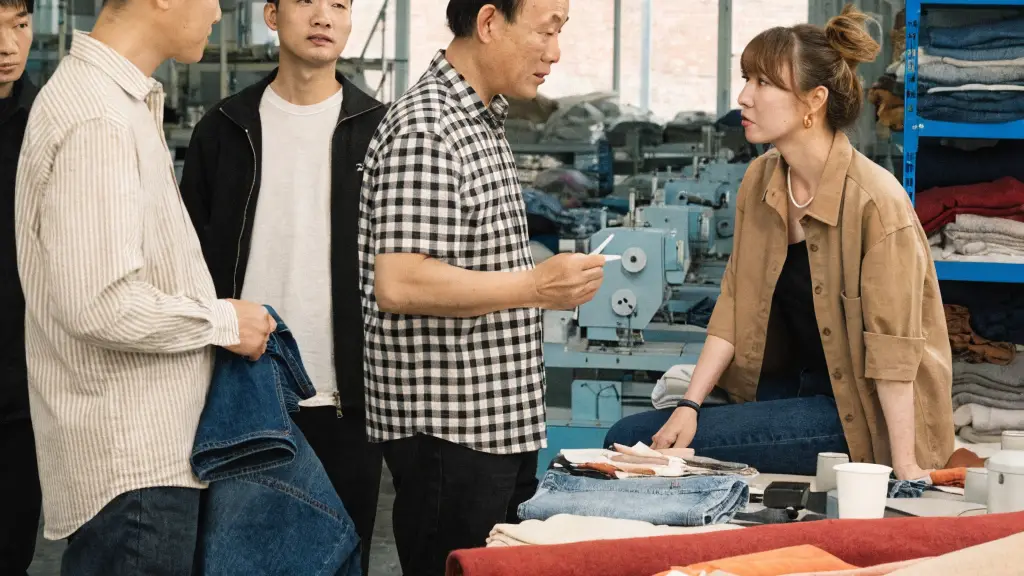
Where Can Reliable Fabric Mills Be Found? Buyers should answer this before they approve fabric or samples. If the decision stays vague, the factory may make a reasonable product that still misses the brand's market. I ask for examples, measurements, test results, and a dated plan so both sides understand the same target.
The direct answer is to judge where can reliable fabric mills be found with customer needs and production evidence. The supplier should show a relevant sample, explain material and construction choices, state realistic minimums, and describe how quality will be inspected before packing.
For verified apparel fabrics, I compare the physical sample with the tech pack, quote, and production schedule. I also check who supplies the material, which steps are outsourced, and which tolerance controls the result. The table below shows the commercial evidence I would request before a buyer releases a deposit or confirms a selling date.
| Material Check | Buyer Question | Test | Business Impact |
|---|---|---|---|
| Fiber content | Is the composition verified? | Lab composition analysis | Accurate labels and performance |
| Fabric weight | Is GSM within tolerance? | Five-point GSM check | Consistent hand feel and cost |
| Shrinkage | Will measurements change? | Wash and dry test | Fewer fit complaints |
| Colorfastness | Will color bleed or fade? | Wash and rubbing tests | Lower return risk |
| Performance | Does the fabric meet its claim? | Stretch, pilling, or wicking test | Credible product marketing |
| Traceability | Can the mill and lot be traced? | Mill record and certificate check | Lower counterfeit risk |
What proof should buyers request for step 1?
I ask buyers to turn where can reliable fabric mills be found? into written evidence before they approve an order. I request a relevant sample, material details, measurement tolerances, price assumptions, and a dated production plan. This step matters for how can buyers select a dependable fabric supplier in china because a confident sales answer is not the same as production proof. I compare the factory's documents with the physical sample, then I record every approval. Useful independent references include U.S. Customs and Border Protection and FTC textile labeling guidance. I also explain this approach in Fumao Clothing, which gives buyers another practical reference.
How can buyers reduce risk in step 1?
I reduce risk in where can reliable fabric mills be found? by testing one decision at a time. I confirm the fabric first, then fit, workmanship, branding, packaging, and shipping. I do not accept a vague promise such as 'same as sample' when a measurable tolerance can be written. I also ask who owns each deadline and what happens if a result fails. This simple control keeps how can buyers select a dependable fabric supplier in china connected to cost, quality, and delivery. Buyers can compare guidance from CPSC business guidance and Textile Exchange before making the final decision.
How Can Buyers Verify Fabric Quality?
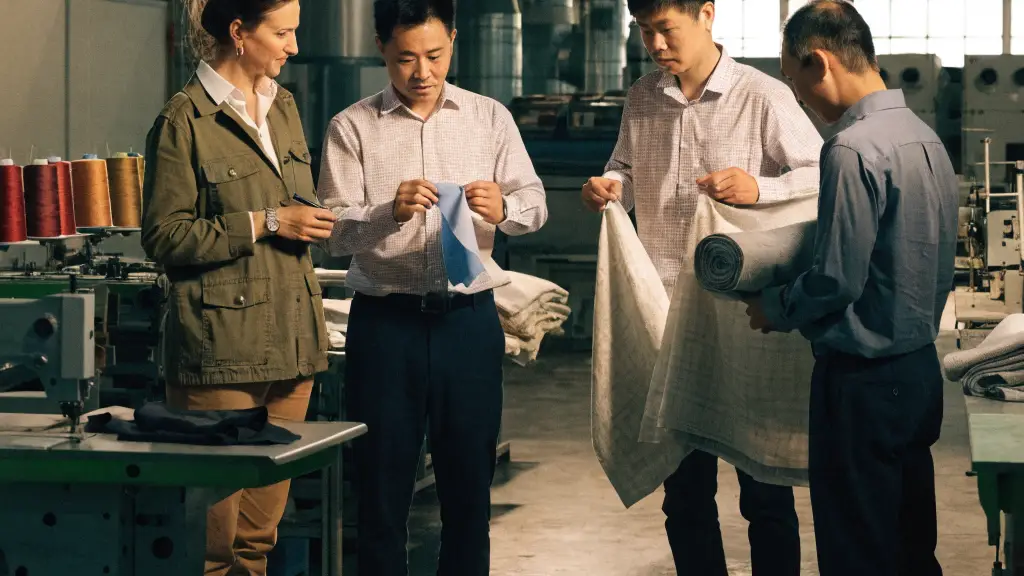
How Can Buyers Verify Fabric Quality? Buyers should answer this before they approve fabric or samples. If the decision stays vague, the factory may make a reasonable product that still misses the brand's market. I ask for examples, measurements, test results, and a dated plan so both sides understand the same target.
The direct answer is to judge how can buyers verify fabric quality with customer needs and production evidence. The supplier should show a relevant sample, explain material and construction choices, state realistic minimums, and describe how quality will be inspected before packing.
For verified apparel fabrics, I compare the physical sample with the tech pack, quote, and production schedule. I also check who supplies the material, which steps are outsourced, and which tolerance controls the result. The table below shows the commercial evidence I would request before a buyer releases a deposit or confirms a selling date.
| Material Check | Buyer Question | Test | Business Impact |
|---|---|---|---|
| Fiber content | Is the composition verified? | Lab composition analysis | Accurate labels and performance |
| Fabric weight | Is GSM within tolerance? | Five-point GSM check | Consistent hand feel and cost |
| Shrinkage | Will measurements change? | Wash and dry test | Fewer fit complaints |
| Colorfastness | Will color bleed or fade? | Wash and rubbing tests | Lower return risk |
| Performance | Does the fabric meet its claim? | Stretch, pilling, or wicking test | Credible product marketing |
| Traceability | Can the mill and lot be traced? | Mill record and certificate check | Lower counterfeit risk |
What proof should buyers request for step 2?
I ask buyers to turn how can buyers verify fabric quality? into written evidence before they approve an order. I request a relevant sample, material details, measurement tolerances, price assumptions, and a dated production plan. This step matters for how can buyers select a dependable fabric supplier in china because a confident sales answer is not the same as production proof. I compare the factory's documents with the physical sample, then I record every approval. Useful independent references include Global Organic Textile Standard and amfori BSCI.
How can buyers reduce risk in step 2?
I reduce risk in how can buyers verify fabric quality? by testing one decision at a time. I confirm the fabric first, then fit, workmanship, branding, packaging, and shipping. I do not accept a vague promise such as 'same as sample' when a measurable tolerance can be written. I also ask who owns each deadline and what happens if a result fails. This simple control keeps how can buyers select a dependable fabric supplier in china connected to cost, quality, and delivery. Buyers can compare guidance from ISO quality management and SGS textile testing before making the final decision. I also explain this approach in choosing a clothing manufacturer, which gives buyers another practical reference.
Which Documents Prove Fabric Sources?
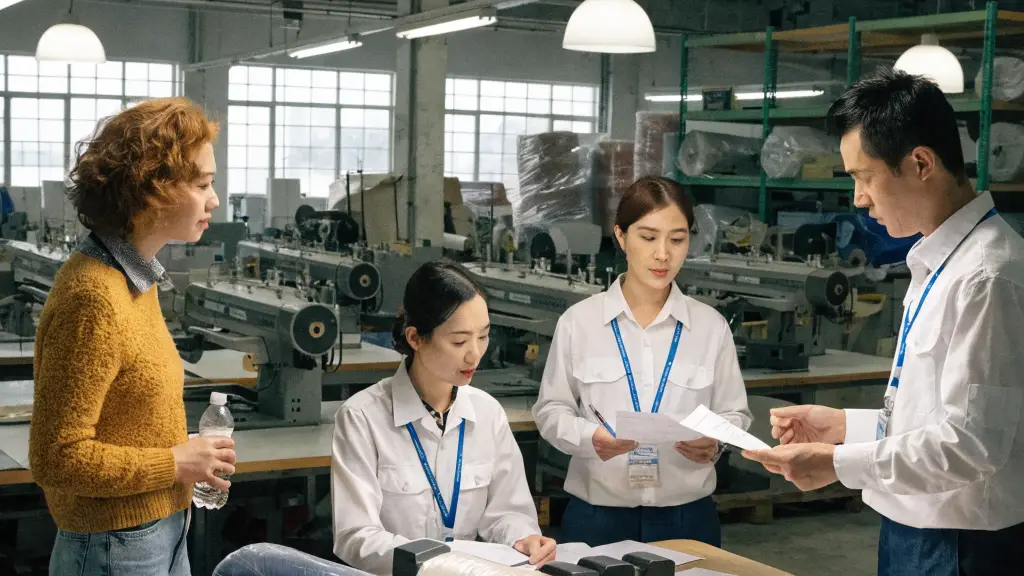
Which Documents Prove Fabric Sources? Buyers should answer this before they approve fabric or samples. If the decision stays vague, the factory may make a reasonable product that still misses the brand's market. I ask for examples, measurements, test results, and a dated plan so both sides understand the same target.
The direct answer is to judge which documents prove fabric sources with customer needs and production evidence. The supplier should show a relevant sample, explain material and construction choices, state realistic minimums, and describe how quality will be inspected before packing.
For verified apparel fabrics, I compare the physical sample with the tech pack, quote, and production schedule. I also check who supplies the material, which steps are outsourced, and which tolerance controls the result. The table below shows the commercial evidence I would request before a buyer releases a deposit or confirms a selling date.
| Material Check | Buyer Question | Test | Business Impact |
|---|---|---|---|
| Fiber content | Is the composition verified? | Lab composition analysis | Accurate labels and performance |
| Fabric weight | Is GSM within tolerance? | Five-point GSM check | Consistent hand feel and cost |
| Shrinkage | Will measurements change? | Wash and dry test | Fewer fit complaints |
| Colorfastness | Will color bleed or fade? | Wash and rubbing tests | Lower return risk |
| Performance | Does the fabric meet its claim? | Stretch, pilling, or wicking test | Credible product marketing |
| Traceability | Can the mill and lot be traced? | Mill record and certificate check | Lower counterfeit risk |
What proof should buyers request for step 3?
I ask buyers to turn which documents prove fabric sources? into written evidence before they approve an order. I request a relevant sample, material details, measurement tolerances, price assumptions, and a dated production plan. This step matters for how can buyers select a dependable fabric supplier in china because a confident sales answer is not the same as production proof. I compare the factory's documents with the physical sample, then I record every approval. Useful independent references include Intertek textile services and International Trade Administration.
How can buyers reduce risk in step 3?
I reduce risk in which documents prove fabric sources? by testing one decision at a time. I confirm the fabric first, then fit, workmanship, branding, packaging, and shipping. I do not accept a vague promise such as 'same as sample' when a measurable tolerance can be written. I also ask who owns each deadline and what happens if a result fails. This simple control keeps how can buyers select a dependable fabric supplier in china connected to cost, quality, and delivery. Buyers can compare guidance from Shopify business resources and Alibaba sourcing marketplace before making the final decision.
How Does Fumao Manage Fabric Suppliers?
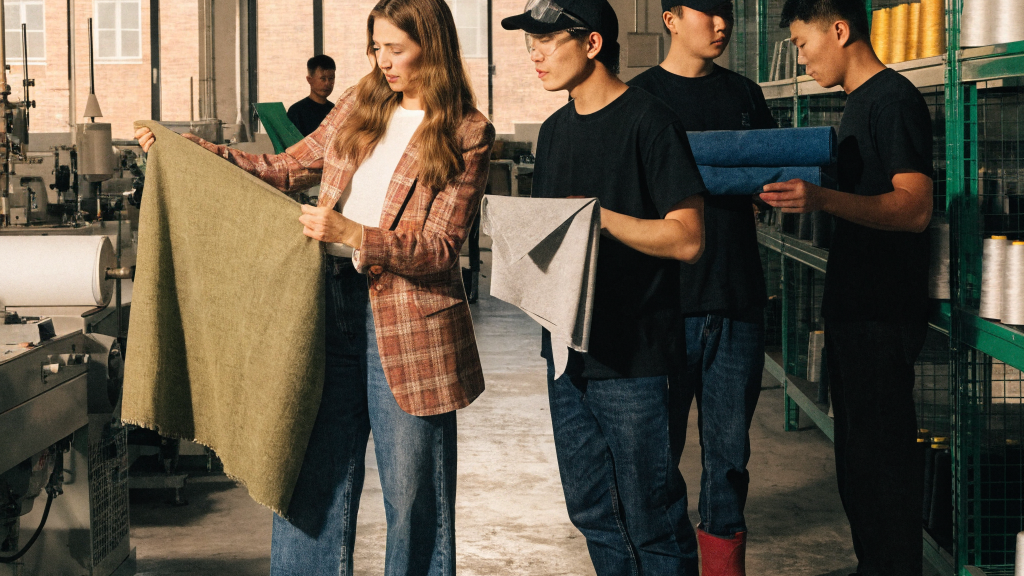
How Does Fumao Manage Fabric Suppliers? Buyers should answer this before they approve fabric or samples. If the decision stays vague, the factory may make a reasonable product that still misses the brand's market. I ask for examples, measurements, test results, and a dated plan so both sides understand the same target.
The direct answer is to judge how does fumao manage fabric suppliers with customer needs and production evidence. The supplier should show a relevant sample, explain material and construction choices, state realistic minimums, and describe how quality will be inspected before packing.
For verified apparel fabrics, I compare the physical sample with the tech pack, quote, and production schedule. I also check who supplies the material, which steps are outsourced, and which tolerance controls the result. The table below shows the commercial evidence I would request before a buyer releases a deposit or confirms a selling date.
| Material Check | Buyer Question | Test | Business Impact |
|---|---|---|---|
| Fiber content | Is the composition verified? | Lab composition analysis | Accurate labels and performance |
| Fabric weight | Is GSM within tolerance? | Five-point GSM check | Consistent hand feel and cost |
| Shrinkage | Will measurements change? | Wash and dry test | Fewer fit complaints |
| Colorfastness | Will color bleed or fade? | Wash and rubbing tests | Lower return risk |
| Performance | Does the fabric meet its claim? | Stretch, pilling, or wicking test | Credible product marketing |
| Traceability | Can the mill and lot be traced? | Mill record and certificate check | Lower counterfeit risk |
What proof should buyers request for step 4?
I ask buyers to turn how does fumao manage fabric suppliers? into written evidence before they approve an order. I request a relevant sample, material details, measurement tolerances, price assumptions, and a dated production plan. This step matters for how can buyers select a dependable fabric supplier in china because a confident sales answer is not the same as production proof. I compare the factory's documents with the physical sample, then I record every approval. Useful independent references include Sourcing Journal and Women's Wear Daily. I also explain this approach in garment quality control, which gives buyers another practical reference.
How can buyers reduce risk in step 4?
I reduce risk in how does fumao manage fabric suppliers? by testing one decision at a time. I confirm the fabric first, then fit, workmanship, branding, packaging, and shipping. I do not accept a vague promise such as 'same as sample' when a measurable tolerance can be written. I also ask who owns each deadline and what happens if a result fails. This simple control keeps how can buyers select a dependable fabric supplier in china connected to cost, quality, and delivery. Buyers can compare guidance from Just Style and Fibre2Fashion before making the final decision.
Conclusion
I treat how can buyers select a dependable fabric supplier in china as a complete business decision. Clear market demand protects inventory. Approved materials and samples protect quality. Written milestones protect delivery. Shanghai Fumao supports product development, full-package apparel manufacturing, quality control, custom branding, and DDP shipping for American and European buyers. We will not add any possible extra tariffs on China-to-US products to your factory quotation. Contact our Business Director Elaine at elaine@fumaoclothing.com to discuss your next order.
#shagnhaigarment #fumao #fumaoclothing #fabricsupplier #ChinaTextile #fabricsourcing #textiletesting #fabricmill #materialtraceability #apparelfabric