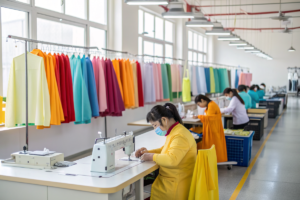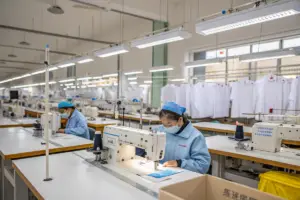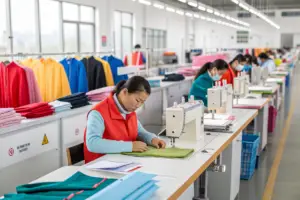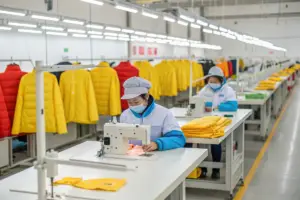
Many buyers ask me about how to find wholesale suppliers for boutique clothing stores. The problem is not only finding a supplier. The real problem is making the right decision before money, samples, and selling seasons are at risk. In my work with American apparel brands, I see that boutique wholesale suppliers, private label clothing, boutique margins, low MOQ, supplier verification becomes easier when the buyer uses clear specs, realistic timelines, and verified factory information.
The best answer is to treat boutique clothing collections as a sourcing project, not just a quote request. Define your product, target price, MOQ, quality standard, shipping method, and compliance needs before you contact factories. Then compare suppliers by samples, communication, certificates, and DDP landed cost.
I will break the process into practical steps from a factory owner's point of view. The goal is to help you avoid vague supplier promises, hidden costs, delayed shipments, and quality problems.
Which Supplier Model Fits a Boutique?
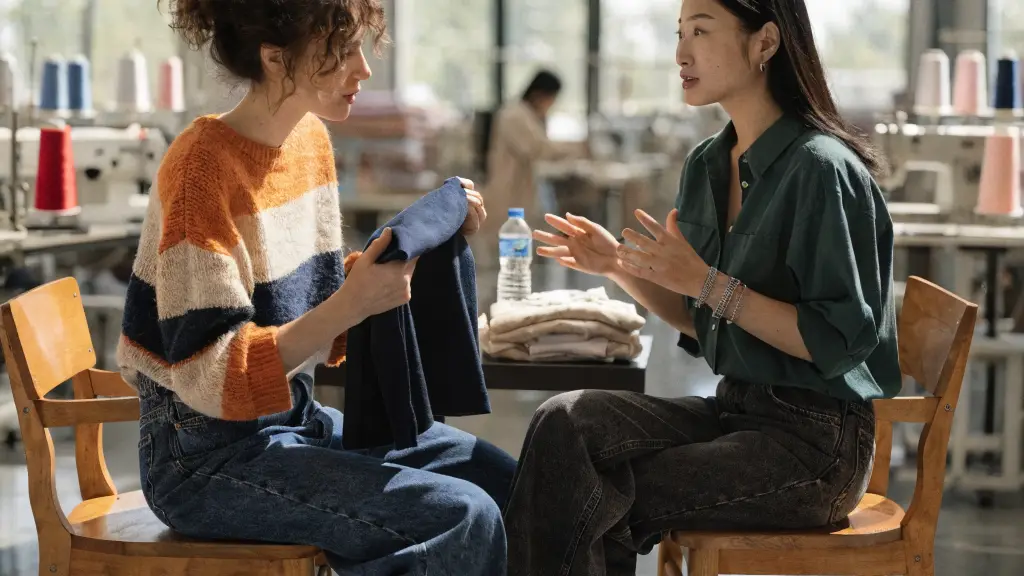
Which Supplier Model Fits a Boutique? is a question buyers should ask early. If you wait until bulk production, your options become limited. I prefer to solve this during supplier selection and sampling.
The practical answer is to check proof, not promises. Ask for relevant samples, written specifications, realistic lead time, transparent pricing, and a clear quality control plan before you approve boutique clothing collections.
For boutique wholesale suppliers, private label clothing, boutique margins, low MOQ, supplier verification, I use a simple checklist. It helps buyers compare factories by real capability instead of a low first quote. The table below shows the areas I would review before moving forward.
| Decision Area | What to Check | Best Practice | Risk If Ignored |
|---|---|---|---|
| Supplier capability | Experience with this product | Ask for similar samples | Wrong construction or weak quality |
| Material choice | Fabric, trims, and performance | Request swatches and test reports | Higher returns and poor reviews |
| MOQ and pricing | Minimums and cost tiers | Compare 3 quantity levels | Bad cash flow or low margin |
| Quality control | AQL standard and inspection | Use photos and final inspection | Defects reach your customers |
| Lead time | Sampling, bulk, shipping | Add 2 weeks of buffer | Missed selling season |
| Shipping terms | FOB, DDP, or express | Use DDP for clear landed cost | Unexpected customs and duties |
How should buyers evaluate which supplier model fits a boutique??
When I review boutique clothing collections for a buyer, I start with the practical details first. I check the supplier experience, fabric choice, MOQ, timeline, and inspection plan. This matters because boutique wholesale suppliers, private label clothing, boutique margins, low MOQ, supplier verification can look simple on a quote but become expensive when the order moves into sampling. A serious buyer should ask for photos, test reports, sample history, and written confirmation before paying a deposit. At Fumao Clothing, we help buyers compare these details before bulk production so the first order has fewer surprises. Useful industry references include Trade.gov and Alibaba.
What mistakes should buyers avoid with boutique clothing collections?
The safest way to reduce risk is to start with a controlled sample process and a clear approval checklist. I ask clients to approve fabric, fit, color, labeling, packaging, and shipping method in writing. If the product is boutique clothing collections, small details can change the final cost and the customer experience. Use DDP quotes when you want to understand the real landed cost before you sell. Fumao Clothing can support custom development, low MOQ testing, quality control, and export logistics. Contact Elaine at elaine@fumaoclothing.com for a practical quote. More context is available from Sourcing Journal and CBP.
How Can Boutique Suppliers Be Verified?
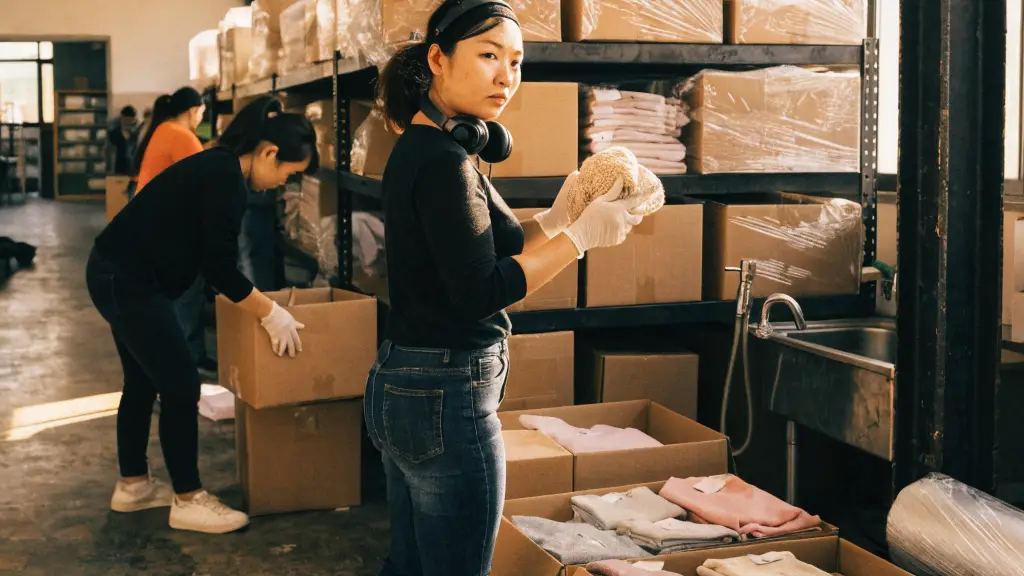
How Can Boutique Suppliers Be Verified? is a question buyers should ask early. If you wait until bulk production, your options become limited. I prefer to solve this during supplier selection and sampling.
The practical answer is to check proof, not promises. Ask for relevant samples, written specifications, realistic lead time, transparent pricing, and a clear quality control plan before you approve boutique clothing collections.
For boutique wholesale suppliers, private label clothing, boutique margins, low MOQ, supplier verification, I use a simple checklist. It helps buyers compare factories by real capability instead of a low first quote. The table below shows the areas I would review before moving forward.
| Decision Area | What to Check | Best Practice | Risk If Ignored |
|---|---|---|---|
| Supplier capability | Experience with this product | Ask for similar samples | Wrong construction or weak quality |
| Material choice | Fabric, trims, and performance | Request swatches and test reports | Higher returns and poor reviews |
| MOQ and pricing | Minimums and cost tiers | Compare 3 quantity levels | Bad cash flow or low margin |
| Quality control | AQL standard and inspection | Use photos and final inspection | Defects reach your customers |
| Lead time | Sampling, bulk, shipping | Add 2 weeks of buffer | Missed selling season |
| Shipping terms | FOB, DDP, or express | Use DDP for clear landed cost | Unexpected customs and duties |
How should buyers evaluate how can boutique suppliers be verified??
When I review boutique clothing collections for a buyer, I start with the practical details first. I check the supplier experience, fabric choice, MOQ, timeline, and inspection plan. This matters because boutique wholesale suppliers, private label clothing, boutique margins, low MOQ, supplier verification can look simple on a quote but become expensive when the order moves into sampling. A serious buyer should ask for photos, test reports, sample history, and written confirmation before paying a deposit. At Fumao Clothing, we help buyers compare these details before bulk production so the first order has fewer surprises. Useful industry references include Just Style and FTC.
What mistakes should buyers avoid with boutique clothing collections?
The safest way to reduce risk is to start with a controlled sample process and a clear approval checklist. I ask clients to approve fabric, fit, color, labeling, packaging, and shipping method in writing. If the product is boutique clothing collections, small details can change the final cost and the customer experience. Use DDP quotes when you want to understand the real landed cost before you sell. Fumao Clothing can support custom development, low MOQ testing, quality control, and export logistics. Contact Elaine at elaine@fumaoclothing.com for a practical quote. More context is available from Alibaba and Shopify.
What MOQ and Margin Should Stores Target?
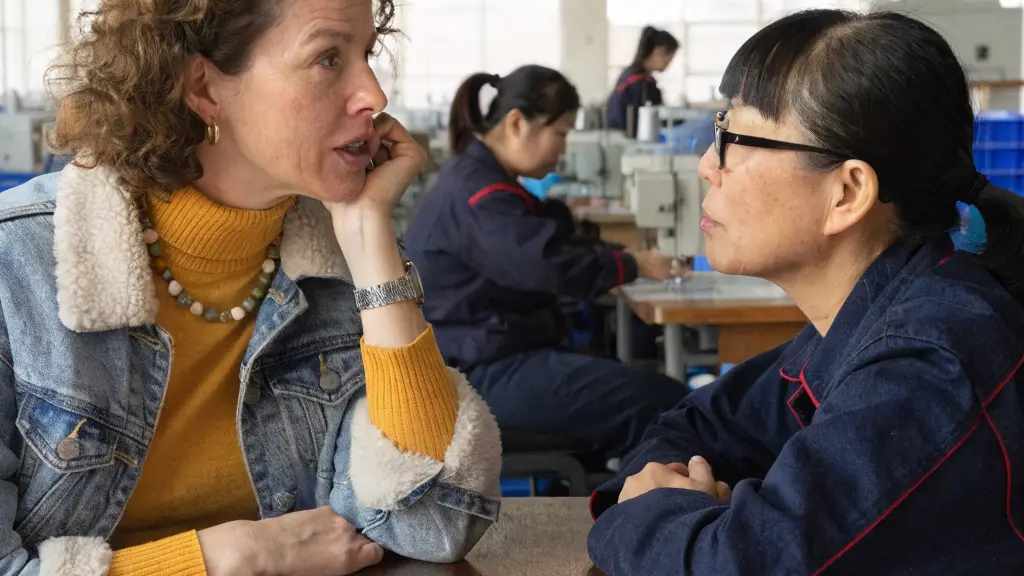
What MOQ and Margin Should Stores Target? is a question buyers should ask early. If you wait until bulk production, your options become limited. I prefer to solve this during supplier selection and sampling.
The practical answer is to check proof, not promises. Ask for relevant samples, written specifications, realistic lead time, transparent pricing, and a clear quality control plan before you approve boutique clothing collections.
For boutique wholesale suppliers, private label clothing, boutique margins, low MOQ, supplier verification, I use a simple checklist. It helps buyers compare factories by real capability instead of a low first quote. The table below shows the areas I would review before moving forward.
| Decision Area | What to Check | Best Practice | Risk If Ignored |
|---|---|---|---|
| Supplier capability | Experience with this product | Ask for similar samples | Wrong construction or weak quality |
| Material choice | Fabric, trims, and performance | Request swatches and test reports | Higher returns and poor reviews |
| MOQ and pricing | Minimums and cost tiers | Compare 3 quantity levels | Bad cash flow or low margin |
| Quality control | AQL standard and inspection | Use photos and final inspection | Defects reach your customers |
| Lead time | Sampling, bulk, shipping | Add 2 weeks of buffer | Missed selling season |
| Shipping terms | FOB, DDP, or express | Use DDP for clear landed cost | Unexpected customs and duties |
How should buyers evaluate what moq and margin should stores target??
When I review boutique clothing collections for a buyer, I start with the practical details first. I check the supplier experience, fabric choice, MOQ, timeline, and inspection plan. This matters because boutique wholesale suppliers, private label clothing, boutique margins, low MOQ, supplier verification can look simple on a quote but become expensive when the order moves into sampling. A serious buyer should ask for photos, test reports, sample history, and written confirmation before paying a deposit. At Fumao Clothing, we help buyers compare these details before bulk production so the first order has fewer surprises. Useful industry references include CBP and SGS.
What mistakes should buyers avoid with boutique clothing collections?
The safest way to reduce risk is to start with a controlled sample process and a clear approval checklist. I ask clients to approve fabric, fit, color, labeling, packaging, and shipping method in writing. If the product is boutique clothing collections, small details can change the final cost and the customer experience. Use DDP quotes when you want to understand the real landed cost before you sell. Fumao Clothing can support custom development, low MOQ testing, quality control, and export logistics. Contact Elaine at elaine@fumaoclothing.com for a practical quote. More context is available from FTC and Textile Exchange.
How Does Fumao Supply Boutique Brands?
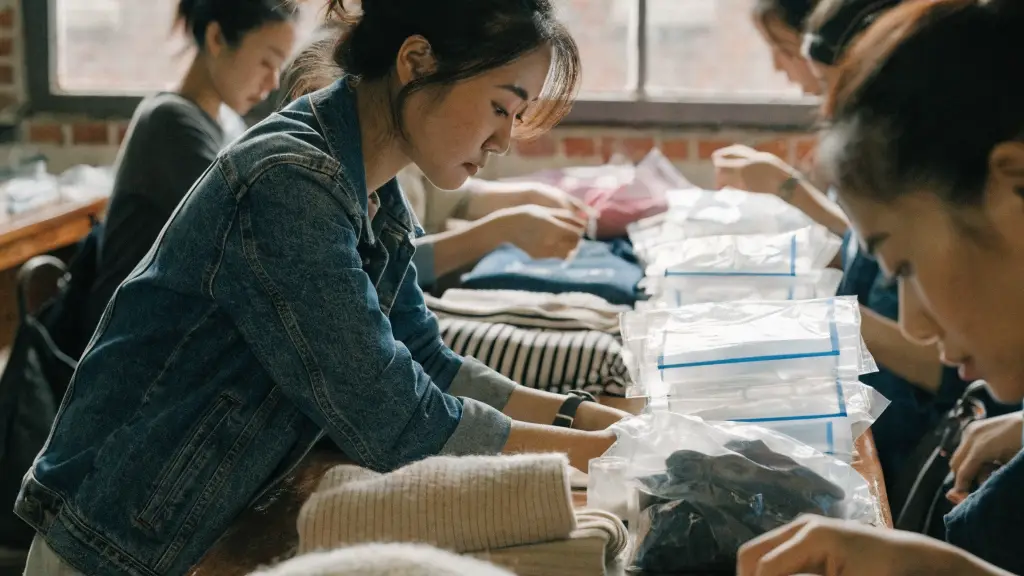
How Does Fumao Supply Boutique Brands? is a question buyers should ask early. If you wait until bulk production, your options become limited. I prefer to solve this during supplier selection and sampling.
The practical answer is to check proof, not promises. Ask for relevant samples, written specifications, realistic lead time, transparent pricing, and a clear quality control plan before you approve boutique clothing collections.
For boutique wholesale suppliers, private label clothing, boutique margins, low MOQ, supplier verification, I use a simple checklist. It helps buyers compare factories by real capability instead of a low first quote. The table below shows the areas I would review before moving forward.
| Decision Area | What to Check | Best Practice | Risk If Ignored |
|---|---|---|---|
| Supplier capability | Experience with this product | Ask for similar samples | Wrong construction or weak quality |
| Material choice | Fabric, trims, and performance | Request swatches and test reports | Higher returns and poor reviews |
| MOQ and pricing | Minimums and cost tiers | Compare 3 quantity levels | Bad cash flow or low margin |
| Quality control | AQL standard and inspection | Use photos and final inspection | Defects reach your customers |
| Lead time | Sampling, bulk, shipping | Add 2 weeks of buffer | Missed selling season |
| Shipping terms | FOB, DDP, or express | Use DDP for clear landed cost | Unexpected customs and duties |
How should buyers evaluate how does fumao supply boutique brands??
When I review boutique clothing collections for a buyer, I start with the practical details first. I check the supplier experience, fabric choice, MOQ, timeline, and inspection plan. This matters because boutique wholesale suppliers, private label clothing, boutique margins, low MOQ, supplier verification can look simple on a quote but become expensive when the order moves into sampling. A serious buyer should ask for photos, test reports, sample history, and written confirmation before paying a deposit. At Fumao Clothing, we help buyers compare these details before bulk production so the first order has fewer surprises. Useful industry references include Shopify and Fumao Clothing.
What mistakes should buyers avoid with boutique clothing collections?
The safest way to reduce risk is to start with a controlled sample process and a clear approval checklist. I ask clients to approve fabric, fit, color, labeling, packaging, and shipping method in writing. If the product is boutique clothing collections, small details can change the final cost and the customer experience. Use DDP quotes when you want to understand the real landed cost before you sell. Fumao Clothing can support custom development, low MOQ testing, quality control, and export logistics. Contact Elaine at elaine@fumaoclothing.com for a practical quote. More context is available from SGS and Trade.gov.
Conclusion
How to Find Wholesale Suppliers for Boutique Clothing Stores is not only a sourcing question. It is a business decision that affects cost, quality, delivery, and brand trust. Start with a clear product plan, verify supplier capability, approve samples carefully, and use DDP shipping when you want predictable landed cost. Shanghai Fumao can help you develop and manufacture your own apparel orders without adding any possible extra tariffs on China-to-US products. Contact our Business Director Elaine at elaine@fumaoclothing.com for cooperation.
#shagnhaigarment #fumao #fumaoclothing #boutiquewholesale #boutiquesupplier #wholesaleclothing #lowMOQ #privateLabel #fashionretail #apparelsourcing