
Smart homes have quickly shifted from being futuristic concepts to everyday realities. Among the most widely adopted innovations is voice-controlled temperature adjustment, which allows people to manage heating and cooling simply by speaking to a smart assistant. This feature has gained momentum because it combines comfort, practicality, and efficiency, making it appealing to households and businesses alike.
Voice-controlled temperature adjustment is becoming popular because it offers convenience, improves energy efficiency, enhances accessibility, and integrates seamlessly with broader smart ecosystems. Together, these benefits explain why it is emerging as a standard in modern living.
To understand its growth, let us explore how these four factors—convenience, efficiency, accessibility, and integration—are driving adoption and shaping the future of smart environments.
Convenience As The Primary Driver
Convenience is the first reason why people embrace voice-controlled temperature systems. With a simple voice command, users can adjust the room’s climate without moving or searching for a remote.
This hands-free approach saves time, reduces effort, and allows adjustments even while cooking, working, or relaxing.
In today’s busy lifestyles, convenience has become a necessity rather than a luxury, and smart voice features deliver this ease seamlessly.

Why Is Voice Control More Convenient Than Manual Methods?
Voice commands remove the need for physical interaction with thermostats or mobile apps. According to Smart Home News, consumers increasingly value natural, fast interaction with devices, and voice remains the simplest option.
How Does Convenience Encourage Adoption?
User-friendly experiences drive long-term technology adoption. Reports from Statista confirm that products are more successful when they save time and reduce effort, making voice-controlled temperature a compelling feature in smart homes.
Energy Efficiency And Savings
Beyond convenience, energy efficiency plays a central role in the growth of voice-controlled systems. Many devices integrate with smart thermostats that learn user habits and optimize heating and cooling schedules.
This integration lowers energy bills while promoting sustainable living practices.
By making climate adjustments quick and effortless, voice systems encourage responsible energy use that benefits both households and businesses.
How Does Voice Control Contribute To Efficiency?
When temperature can be adjusted instantly, users are more likely to reduce energy waste. The U.S. Department of Energy highlights that small temperature changes made consistently can result in significant savings over time.
Do Businesses Benefit From This Technology?
Yes, commercial spaces see clear benefits as well. According to Forbes, offices, hotels, and retail spaces using smart climate systems reduce costs while maintaining comfortable environments for staff and customers.
Accessibility And Inclusivity
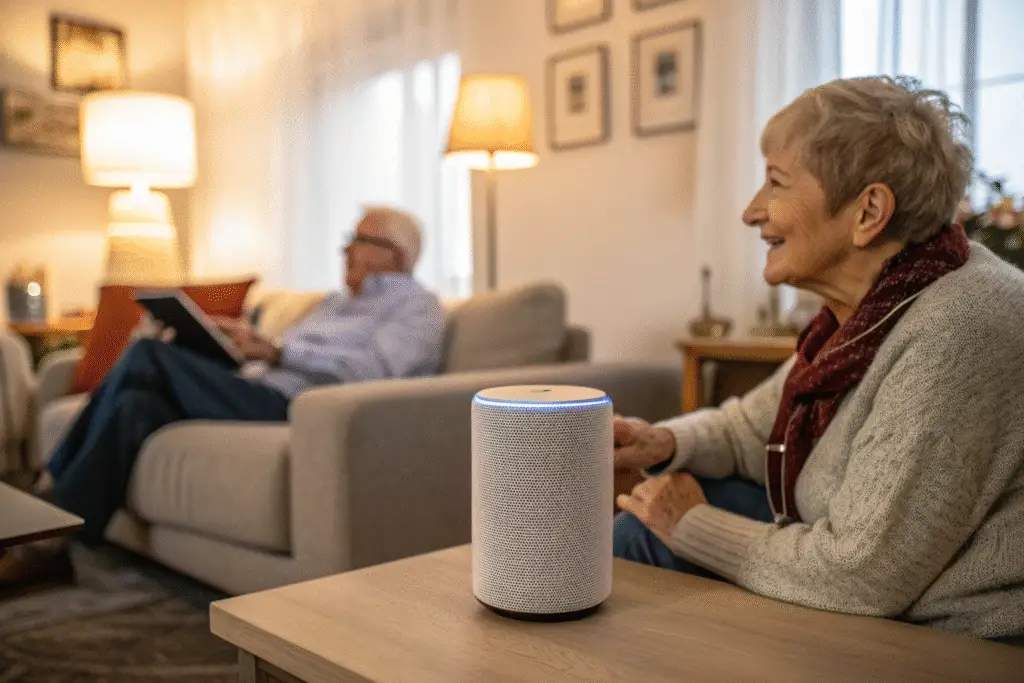
Accessibility is another important reason for the adoption of voice-controlled temperature systems. For elderly users or people with mobility challenges, adjusting a thermostat can be difficult, and voice eliminates that barrier.
By supporting independence and inclusivity, voice control extends the benefits of smart homes to more people.
This feature not only improves comfort but also demonstrates how technology can adapt to the diverse needs of households.
Why Is Accessibility A Driving Factor?
Accessibility is essential for many users, not just an added benefit. According to AARP, technologies that support independent living are in high demand, and climate control is one of the most practical examples.
How Does Inclusivity Expand The Market?
By serving different demographics, from young families to seniors, manufacturers reach broader audiences. Reports from TechCrunch emphasize that inclusive design now influences buying decisions, making accessibility a powerful growth factor.
Integration With Smart Ecosystems
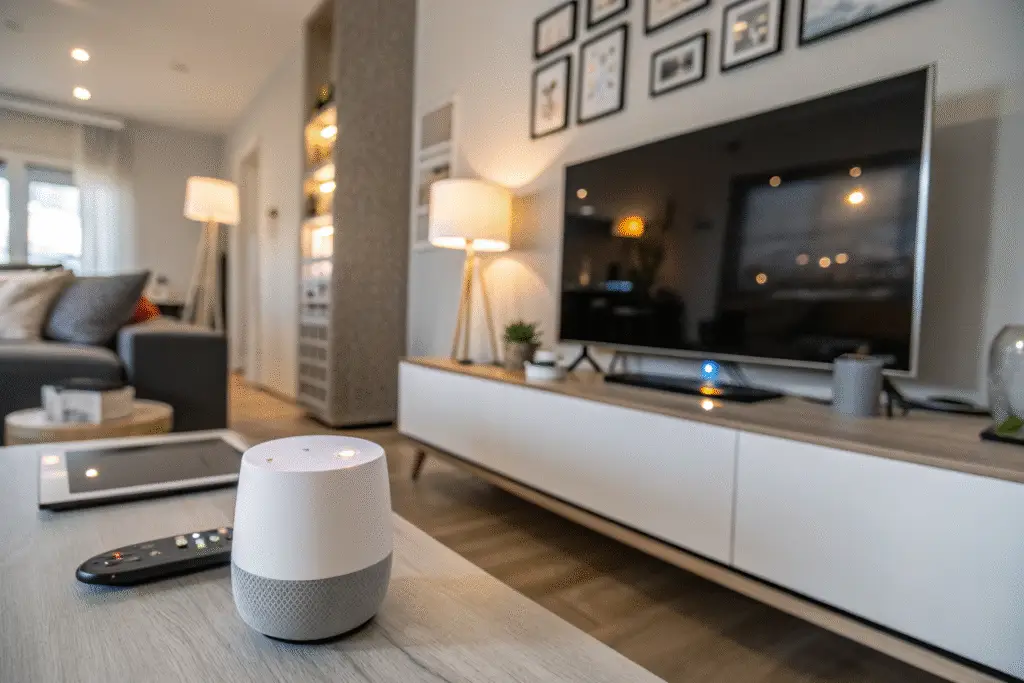
The final reason for the rise of voice-controlled temperature systems is their integration into smart ecosystems. Climate control can now be linked with lighting, entertainment, and security, creating a fully connected living space.
This interconnected approach allows homes and businesses to adapt automatically to user routines and preferences.
By tying multiple functions together under one voice assistant, users enjoy both efficiency and personalization.

Why Does Integration Matter For Users?
Integration ensures devices work together rather than independently. According to Wired, assistants like Alexa and Google Home are popular because they unify different smart systems into a single command center.
Will Integration Continue To Accelerate Adoption?
Yes, because consumers prefer simplified solutions. Research from McKinsey shows that smart home adoption increases fastest when devices are compatible and interconnected, with voice control at the heart of that experience.
Conclusion
Voice-controlled temperature adjustment is emerging because it unites convenience, efficiency, accessibility, and integration. These factors reflect the changing expectations of modern living, where comfort, sustainability, and inclusivity are equally valued.
As adoption continues, this feature will likely become a standard in homes and businesses worldwide. For manufacturers and service providers, investing in voice-enabled climate control is essential to remain competitive in the fast-growing smart home industry.