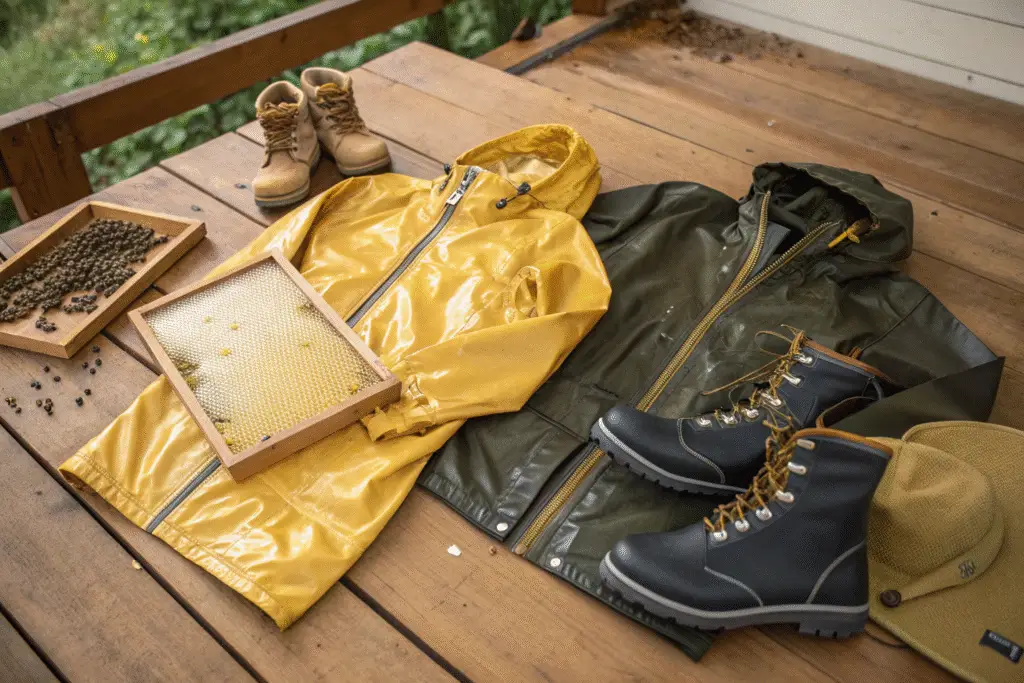
Outdoor clothing and footwear need reliable waterproofing, yet many chemical solutions harm the environment. Bee wax, a renewable and natural material, provides durable water resistance without toxic side effects.
Bee-based waterproofing is gaining attention because it combines eco-friendliness, strong protection, and consumer appeal for sustainable fashion.
By using this method, brands demonstrate responsibility while extending product life.
How Effective Is Bee Wax Waterproofing On Fabrics And Leather?
Bee wax penetrates fabrics and leather pores to create a protective shield. This layer blocks water but keeps breathability intact, making it practical for apparel and accessories.
It works well on multiple surfaces, delivering both water resistance and durability.
Does it work well on textiles?
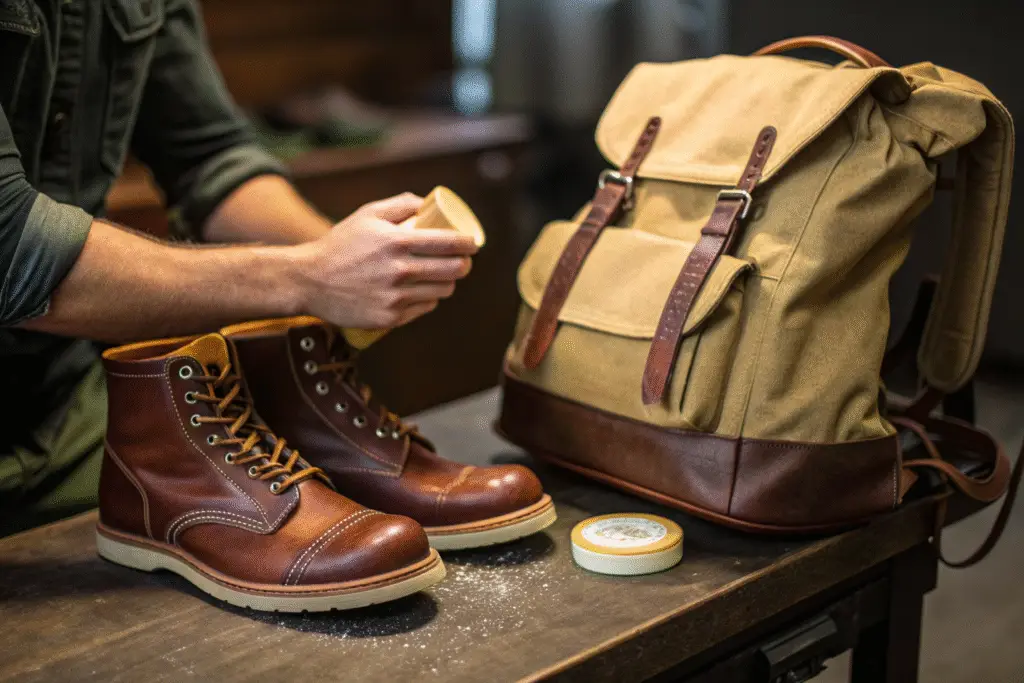
Yes. Applied to cotton or canvas, bee wax makes moisture bead and roll away. Field & Stream shows how waxed canvas maintains durability in harsh rain.
How does it perform on leather?
Bee wax conditions leather while protecting against water damage. Leather Honey confirms that beeswax treatments prevent cracking and extend the life of footwear and bags.
How Do Brands Apply Bee Wax In Manufacturing?
Application methods vary between handcraft and large-scale operations. Small artisans rub wax directly, while factories use heated machines to apply an even coating.
This flexibility allows bee wax waterproofing to fit both traditional and modern production models.
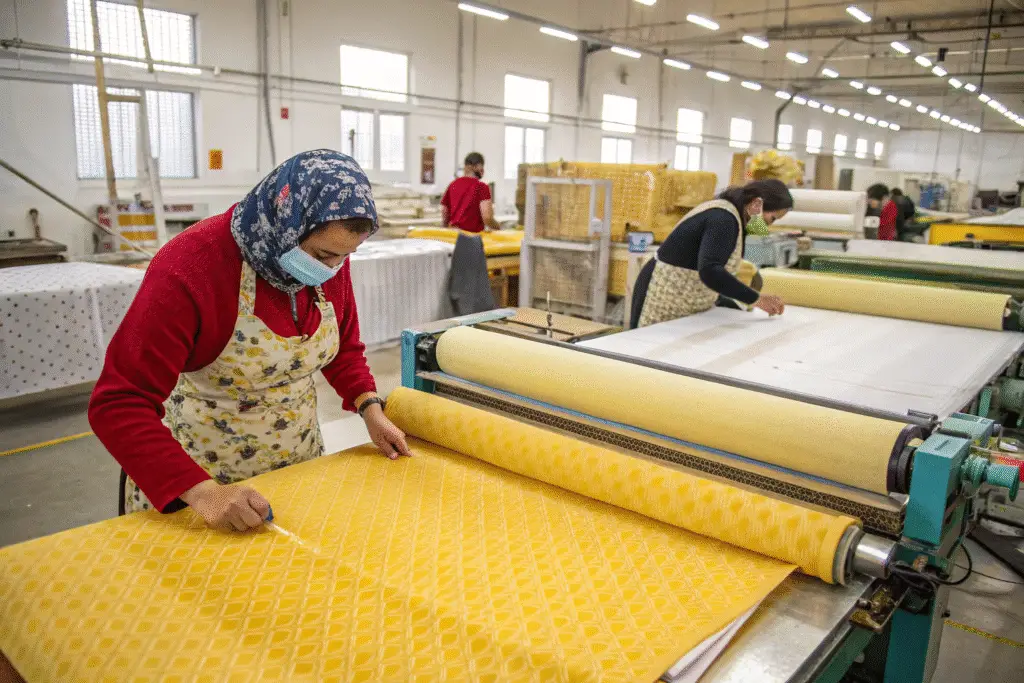
What techniques are used in mass production?
Blends of beeswax with oils like linseed ensure flexibility. Good On You notes that these blends are now scaled for global sustainable brands.
Is it easy to maintain waxed products?
Yes. Owners can reapply wax at home. REI shares guides for rewaxing outdoor gear, which adds years of use to jackets and bags.
Why Choose Bee Wax Instead Of Synthetic Waterproofing?
Chemical coatings often rely on petroleum products or PFAS compounds that persist in nature. Bee wax provides similar protection without introducing dangerous substances into supply chains.
The difference is clear: natural wax is biodegradable and safe, while synthetic coatings create long-term environmental problems.
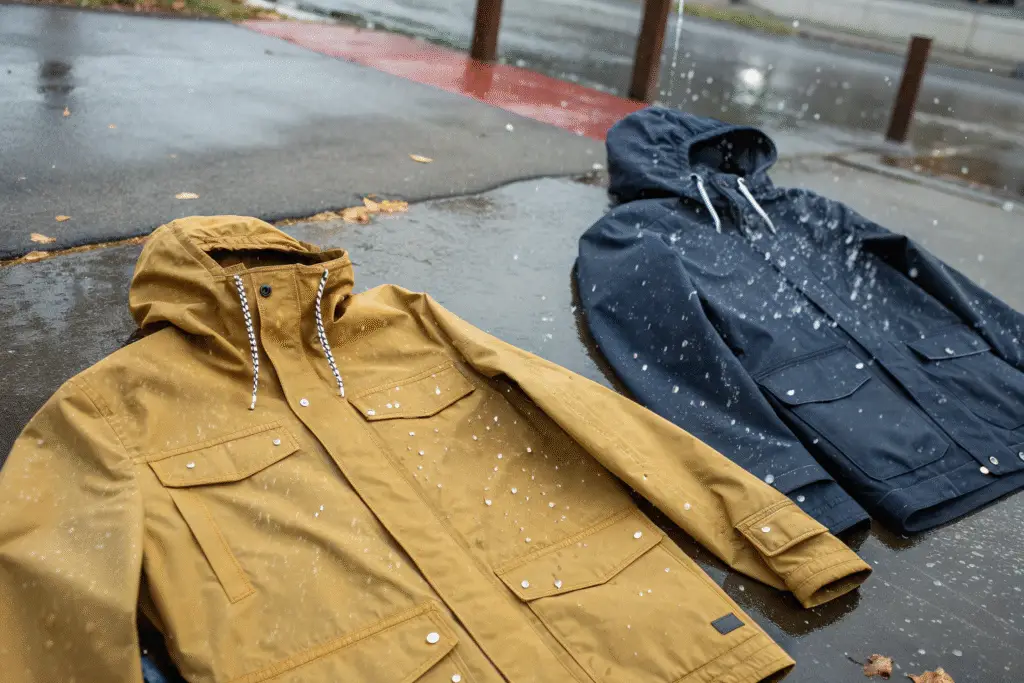
What problems do chemical coatings create?
Fluorochemicals release PFAS, which contaminate ecosystems and pose health risks. Regulation on these substances is tightening worldwide.
How does bee wax compare in safety?
Bee wax is skin-safe, non-toxic, and hypoallergenic. The National Library of Medicine notes that beeswax has long been used in healthcare and cosmetics.
What Are The Sustainability Benefits Of Bee Wax Waterproofing?
Bee wax waterproofing contributes to circular fashion systems. It is biodegradable, renewable, and derived from beekeeping, which also supports biodiversity.
Sustainability benefits include reduced carbon impact, eco branding, and alignment with consumer demand.
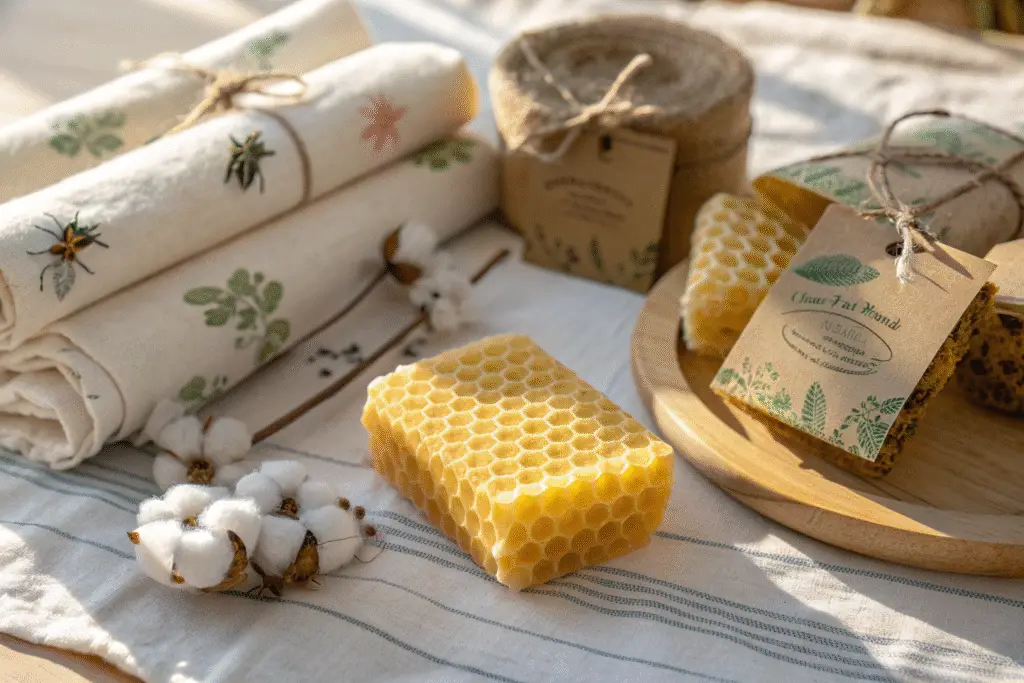
How does it reduce carbon footprint?
Synthetic waterproofing depends on fossil fuels. European Commission research shows that replacing petrochemicals with natural inputs reduces emissions.
Why does it appeal to eco-conscious consumers?
Authentic eco-materials build trust. Statista reports that sustainable apparel choices directly influence purchasing decisions.
Conclusion
Bee-based waterproofing offers a proven, natural way to protect fabrics and leather while avoiding harmful synthetics. It extends product life, satisfies eco-conscious buyers, and supports sustainable manufacturing practices.
At Shanghai Fumao, we help brands apply natural waterproofing in apparel production. For partnership inquiries, reach out to our Business Director Elaine at elaine@fumaoclothing.com.