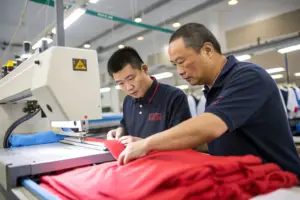
In today’s fast-moving apparel industry, clear and timely communication with suppliers is the difference between profit and loss. Many brand owners and sourcing managers face delays, miscommunication, or endless email loops when working with overseas factories. These problems often lead to late deliveries, poor quality control, and missed selling seasons.
Chatbots are transforming supplier communication by offering instant responses, 24/7 availability, and structured data management, making it easier for buyers and manufacturers to stay aligned at every stage.
With the right chatbot system, business owners no longer need to wait days for updates on production status or shipping schedules. Instead, they can get real-time confirmations, automatic reminders, and even integrated document handling. This reduces stress, improves trust, and ensures that supply chains stay competitive.
How Do Chatbots Improve Supplier Communication?
When sourcing from countries like China, Vietnam, or India, time zone differences make real-time communication challenging. Buyers often complain that they send a message at night and only get a reply the next day. This delay slows down decision-making and adds frustration.
Chatbots solve this by providing instant responses to common supplier queries, managing scheduling automatically, and ensuring no message gets lost in long email chains.

What common supplier issues can chatbots handle?
Chatbots can process requests such as order confirmations, production updates, and sample approvals. For example, if a buyer wants to confirm fabric availability, the chatbot can pull data from the ERP system and respond immediately. According to IBM’s AI in business guide, automation reduces human error and response time dramatically. Another key use is shipment updates. A chatbot can be linked with DHL’s tracking system, so buyers can check the latest shipping status without emailing multiple people.
Can chatbots reduce communication delays with suppliers?
Yes. A buyer sourcing from China often loses a full day waiting for supplier feedback due to time zones. A chatbot acts as a “night shift assistant” that answers questions right away. It can confirm lead times, remind factories about approval deadlines, and even provide standardized order forms to avoid misunderstandings. This makes negotiations faster, avoids bottlenecks, and keeps supply chain communication consistent.
Why Are Chatbots Cost-Effective For Apparel Brands?
Running apparel sourcing operations involves high costs in labor, coordination, and quality management. Many U.S. brands hire full-time staff just to communicate with overseas suppliers. However, these costs eat into profit margins.
Chatbots reduce the need for constant human monitoring, handle repetitive tasks automatically, and let managers focus on strategy instead of endless follow-up messages.

Do chatbots reduce manpower costs in supplier management?
Absolutely. Instead of hiring multiple sourcing assistants, brands can rely on a chatbot that answers supplier queries, shares technical documents, and tracks progress. A report by Gartner on AI automation highlights that companies using AI-powered communication cut operational costs by up to 30%. Another strong example is customer service automation by Zendesk, which shows how bots handle thousands of conversations with minimal staff involvement.
How do chatbots prevent costly errors in sourcing?
Errors like incorrect size charts, misinterpreted fabric requirements, or forgotten approval deadlines can cause rework and financial losses. Chatbots minimize these risks by sending automatic reminders, storing version-controlled documents, and prompting both sides before critical steps. For instance, a chatbot integrated with SAP’s supply chain system ensures all technical packs are confirmed before production starts. Similarly, integration with ISO compliance standards helps prevent fake or missing certificates.
Can Chatbots Improve Supplier Trust And Transparency?
Trust is the cornerstone of supplier relationships. Buyers often fear that suppliers hide delays, while suppliers worry buyers will cancel orders unexpectedly. This lack of transparency causes tension and reduces efficiency.
Chatbots create a transparent environment by giving both sides the same real-time data, such as production milestones, shipment tracking, and compliance certificates.

Can chatbots build stronger relationships with suppliers?
Yes. When suppliers see that buyers receive updates automatically, they feel less pressure to constantly report. At the same time, buyers appreciate timely data without chasing. Transparency improves trust and prevents disputes. Platforms like SupplyChainDigital report that AI-driven updates improve supplier relationships by reducing misunderstandings. A chatbot that shares real-time tracking from shipping carriers ensures both sides view the same status, eliminating room for false promises.
How do chatbots enhance compliance and certification tracking?
Fake or missing certificates have been a long-standing issue in sourcing. Chatbots can automatically check certification validity and remind suppliers to upload required documents. For example, they can validate an OEKO-TEX certificate or confirm compliance with U.S. Customs regulations. By storing all documents in a central system, buyers avoid legal risks and suppliers prove authenticity with ease.
How To Integrate Chatbots Into Apparel Supply Chains?
The integration of chatbots is not limited to large corporations. Even medium-sized apparel brands can benefit from AI-driven supplier communication. The process requires proper planning, clear objectives, and the right technology partner.
Chatbots can be integrated step by step: start with FAQs, then automate order updates, and later connect with ERP systems for full-scale supply chain management.
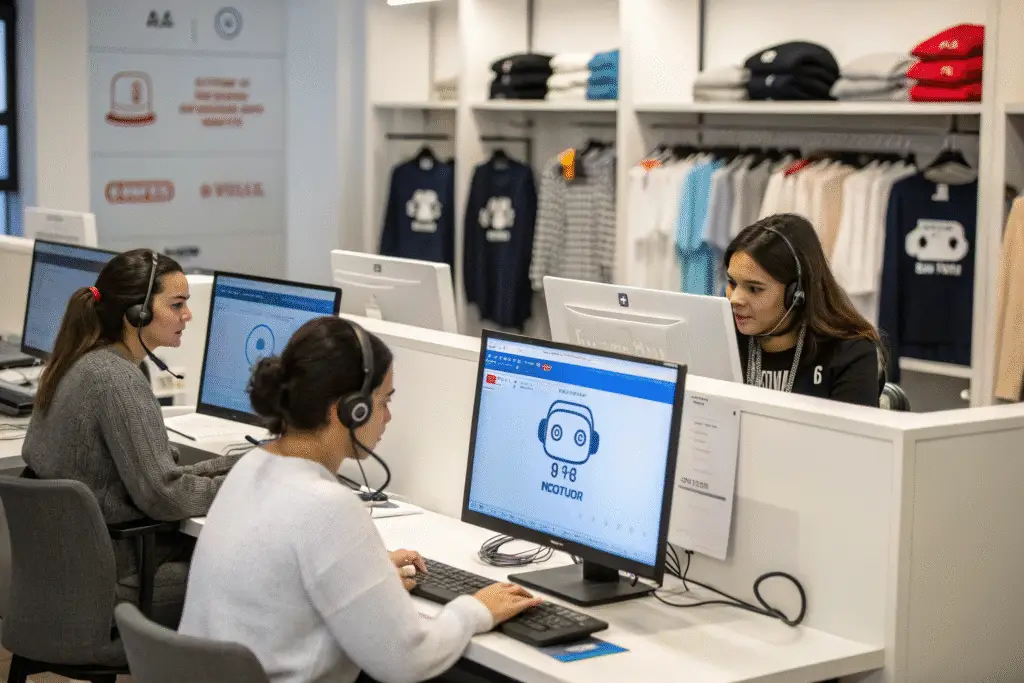
What steps are needed to set up a chatbot for sourcing?
The first step is identifying the most repetitive communication tasks. Brands usually start with FAQ bots for basic inquiries like lead times and order confirmations. Next, they integrate with ERP systems such as Oracle NetSuite to connect real-time inventory. Later, advanced automation links chatbots with FedEx shipping so that buyers always know where their goods are.
What challenges should brands expect when using chatbots?
Challenges include initial setup costs, training the bot to understand apparel-specific terminology, and ensuring data security. Buyers must also choose platforms that allow multi-language support for global suppliers. A resource from McKinsey on AI adoption explains how early-stage challenges give way to long-term gains. Brands also need to verify compliance with GDPR regulations to ensure safe handling of supplier data.
Conclusion
Chatbots are no longer just customer service tools. For apparel brands sourcing globally, they provide real value in supplier communication. They eliminate delays, cut costs, and build trust by ensuring both sides have the same real-time data. They also reduce human error and give buyers a clear competitive advantage in a fast-changing market.
At Shanghai Fumao, we understand the frustration of inefficient communication with overseas suppliers. That is why we invest in digital solutions that help our clients stay competitive. If you want to streamline your sourcing and improve your apparel supply chain, we invite you to contact our Business Director Elaine at elaine@fumaoclothing.com. Together, we can design a smarter communication strategy for your apparel brand.