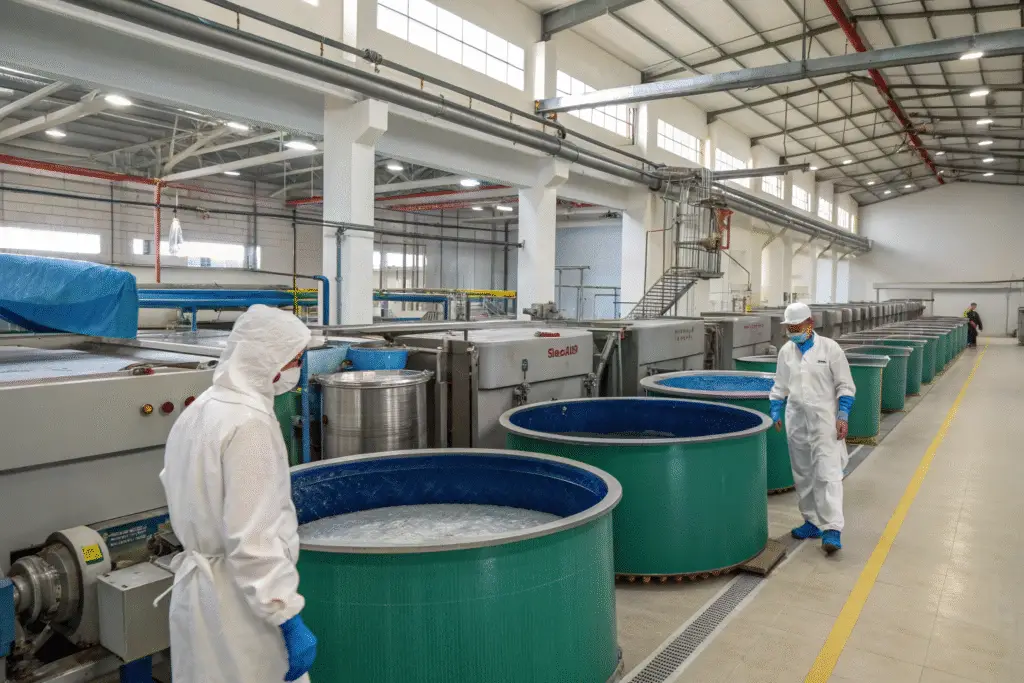
The dyeing stage of textile production is one of the most water-intensive and polluting processes in fashion. Traditional methods consume massive amounts of freshwater while discharging contaminated wastewater. With rising regulations and consumer demand for eco-responsibility, closed-loop water systems are becoming a game-changer in textile dyeing.
Closed-loop systems recycle, purify, and reuse water in the dyeing process, reducing consumption and pollution. They help suppliers cut costs, meet sustainability standards, and appeal to eco-conscious buyers.
As a manufacturer, I have witnessed international buyers increasingly prioritize factories with water recycling technologies. Let’s explore why closed-loop water systems are critical for dyeing operations.
Why Is Water Use a Problem in Textile Dyeing?
The dyeing process consumes up to 200 liters of water per kilogram of fabric.
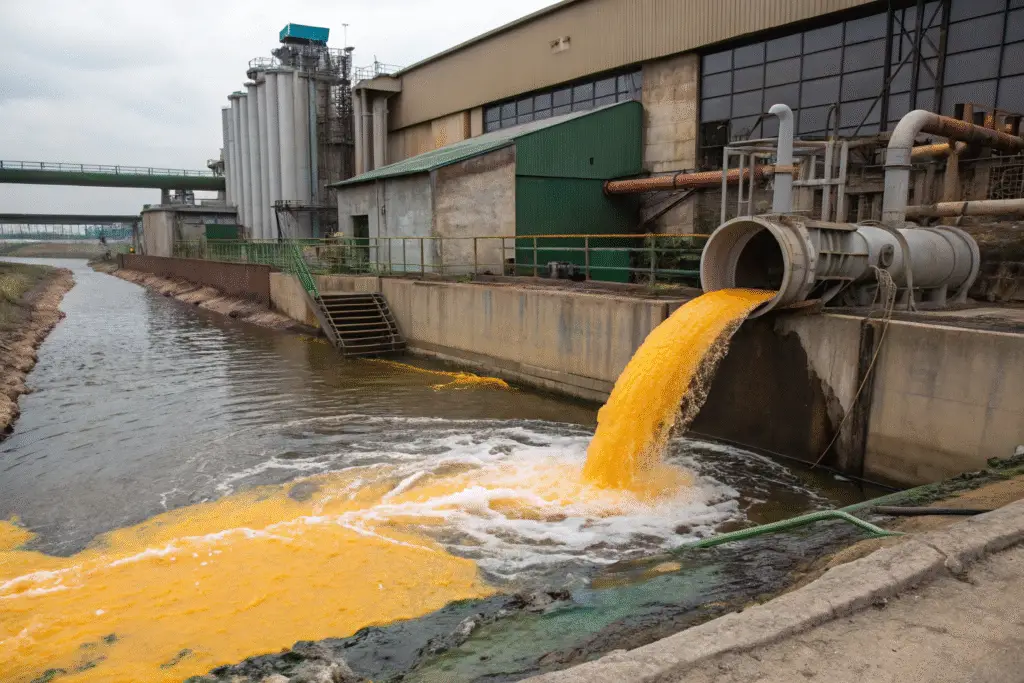
This results in both excessive water use and toxic discharge.
How Big Is the Problem?
According to World Bank, textile dyeing is responsible for 20% of global industrial water pollution. Discharges often contain heavy metals and toxic chemicals harmful to communities.
Why Do Buyers Care?
Consumers and regulators are pushing brands to reduce water footprints. Reports from Business of Fashion show water usage is a key sustainability concern for apparel buyers.
How Do Closed-Loop Water Systems Work?
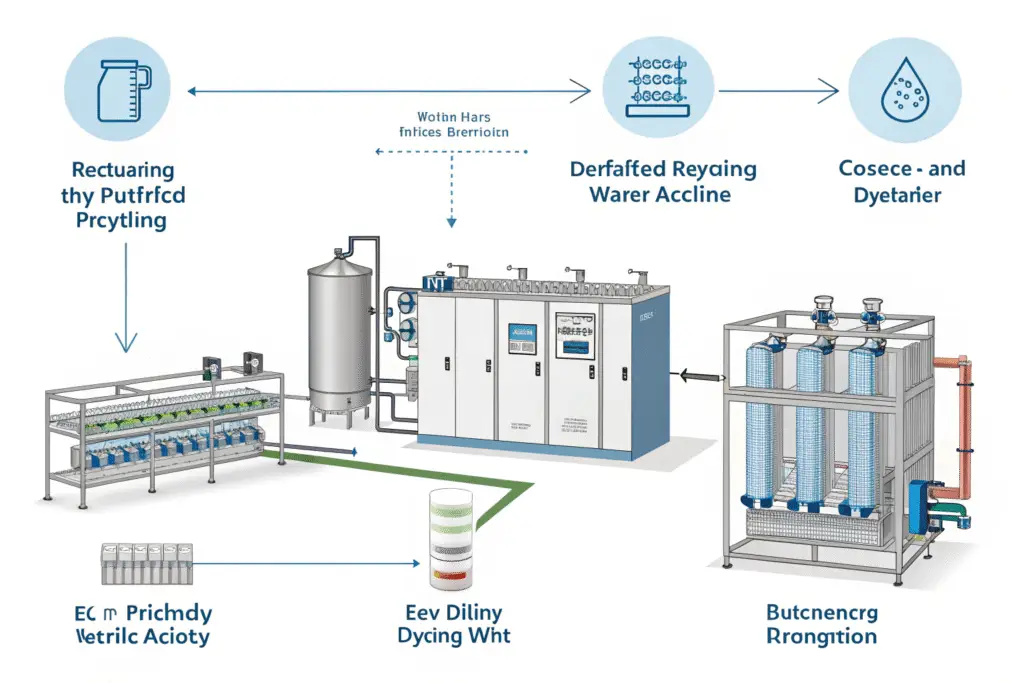
Closed-loop water systems capture wastewater from dyeing, purify it, and reuse it in the same process.
They minimize freshwater use while reducing pollution.
What Technologies Are Used?
Membrane filtration, reverse osmosis, and advanced oxidation treat wastewater. According to Textile World, these methods enable 90–95% water reuse.
Do They Improve Dye Consistency?
Yes. Recycling systems provide stable water quality, which ensures more consistent fabric colors. Research in Journal of Cleaner Production confirms improved dyeing performance with recycled water.
What Are the Benefits for Buyers and Suppliers?
Closed-loop systems create financial, environmental, and branding advantages.
They save money, meet compliance, and enhance brand reputation.
Do They Lower Costs?
Yes. By recycling water, factories cut utility bills significantly. Reports from Fibre2Fashion highlight savings of up to 50% on water and energy expenses.
How Do They Improve Brand Value?
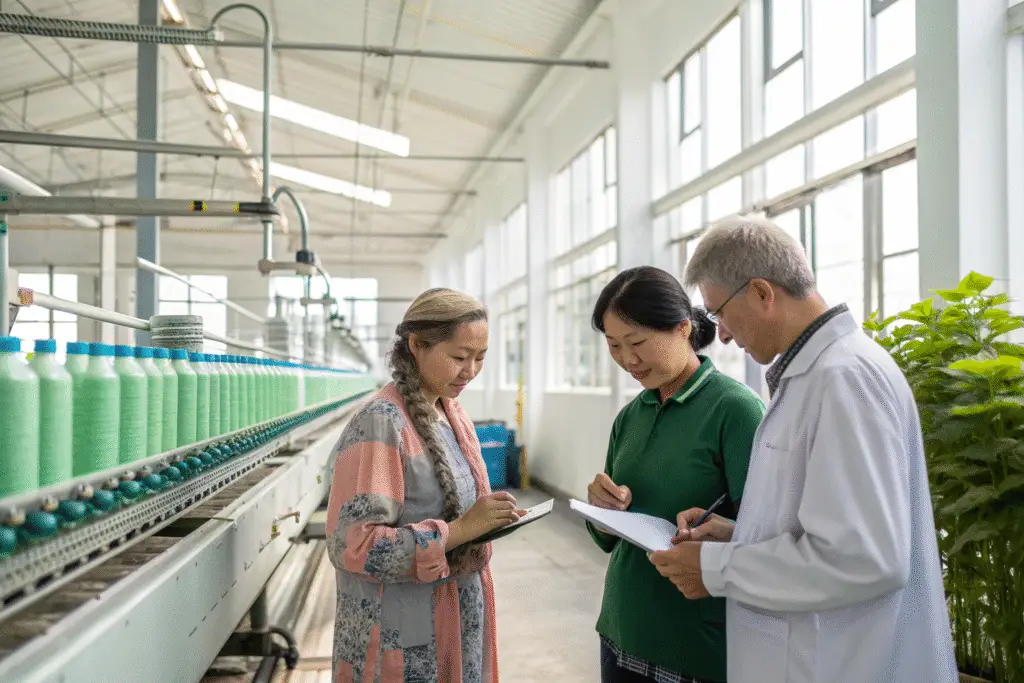
Factories with water recycling attract premium buyers. Certifications like OEKO-TEX STeP and ZDHC confirm compliance with international eco-standards.
Where Are Closed-Loop Dyeing Systems Being Adopted?
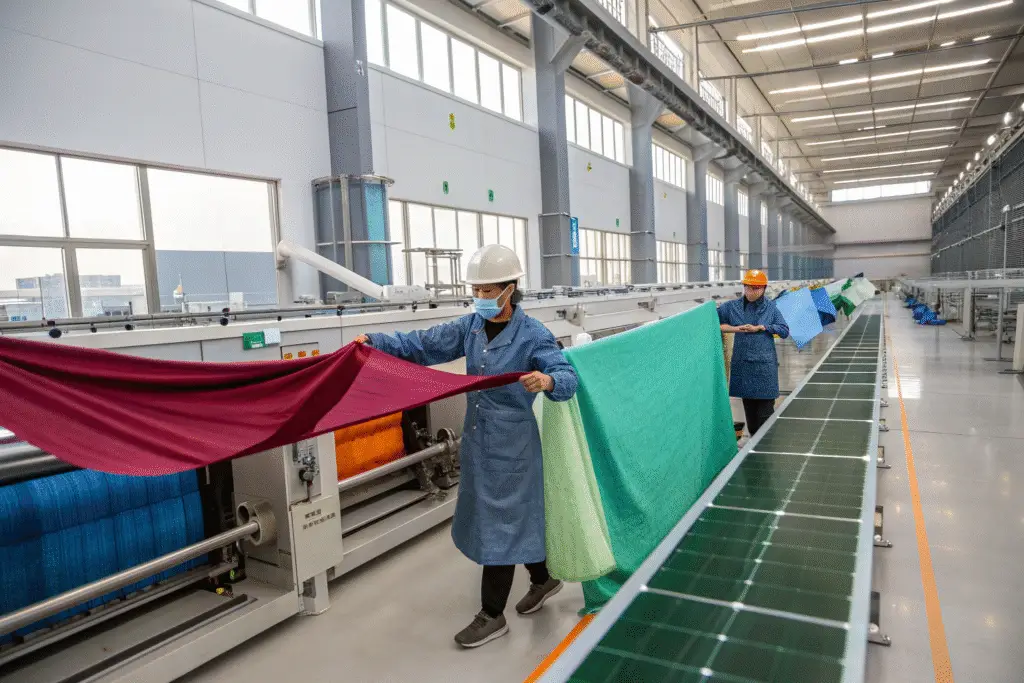
Adoption is accelerating in Asia, where most textile production takes place.
China, India, and Bangladesh are investing heavily in water recycling technology.
Which Regions Lead?
China and India are leading with government incentives for water recycling. Reports from Clean Energy Asia confirm rapid adoption in major textile hubs.
Are Buyers Driving the Change?
Yes. U.S. and European buyers are demanding water stewardship. Platforms like Sustainable Apparel Coalition provide frameworks for brands to measure supplier water impact.
What Is the Future of Closed-Loop Systems in Dyeing?
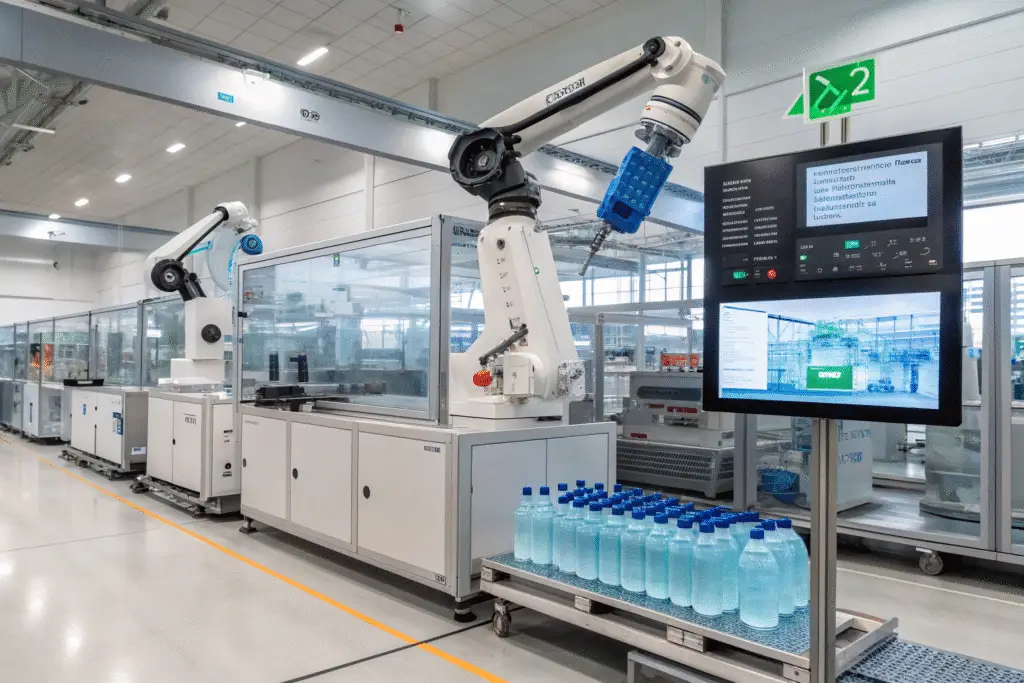
The future points to wider adoption and smarter integration of water recycling.
AI and IoT will optimize water usage, making dyeing greener and more cost-efficient.
Will Regulations Push Adoption?
Yes. Stricter EU and U.S. sustainability laws will force suppliers to implement closed-loop systems. According to Vogue Business, buyers will prefer certified factories only.
How Will Technology Improve?
Smart sensors and predictive analytics will automate recycling processes. Research in Journal of Industrial Ecology confirms digital water management will shape the future of dyeing.
Conclusion
Closed-loop water systems are more than a sustainability trend—they are becoming a necessity. They save water, cut costs, and meet international buyer demands. For both environmental and business reasons, they are key to the future of textile dyeing.
As a Chinese manufacturer, I have integrated water-saving technologies into production and partnered with buyers prioritizing eco-friendly sourcing. If you want to secure reliable and sustainable dyeing solutions, we at Shanghai Fumao are ready to collaborate. Please contact our Business Director Elaine at elaine@fumaoclothing.com to begin your eco-friendly sourcing journey.