Adaptive clothing is a growing segment in the fashion industry, designed to meet the needs of people with disabilities, elderly consumers, and those requiring easier dressing solutions. For buyers and boutique brands, the choice of fabric plays a critical role in comfort, durability, and functionality. However, sourcing the right textiles for adaptive wear requires balancing softness, flexibility, ease of care, and sustainability.
The best fabrics for adaptive clothing lines are those that combine comfort, stretch, and durability while being easy to maintain and gentle on the skin.
As a manufacturer serving U.S. and European buyers, I have seen how fabric selection can make or break adaptive fashion lines. Let’s explore the best fabric options and sourcing strategies.
Why Do Fabrics Matter in Adaptive Clothing?
Adaptive clothing is about more than style—it’s about comfort and independence.
The right fabrics ensure safety, dignity, and usability for people with special needs.

How Do Fabrics Impact Accessibility?
Soft and stretchable fabrics make dressing easier for those with mobility challenges. According to Fashion Revolution, adaptive fashion must balance function and aesthetics without compromising either.
Why Are Fabrics Linked to Consumer Trust?
If adaptive clothes are uncomfortable or difficult to care for, consumers lose trust. Reports from Business of Fashion confirm that adaptive fashion buyers prioritize material comfort over trend-driven design.
What Fabrics Work Best for Adaptive Clothing?
Selecting the right fabrics defines product success in adaptive wear.
The top fabrics include cotton blends, bamboo, jersey knit, and stretch denim.
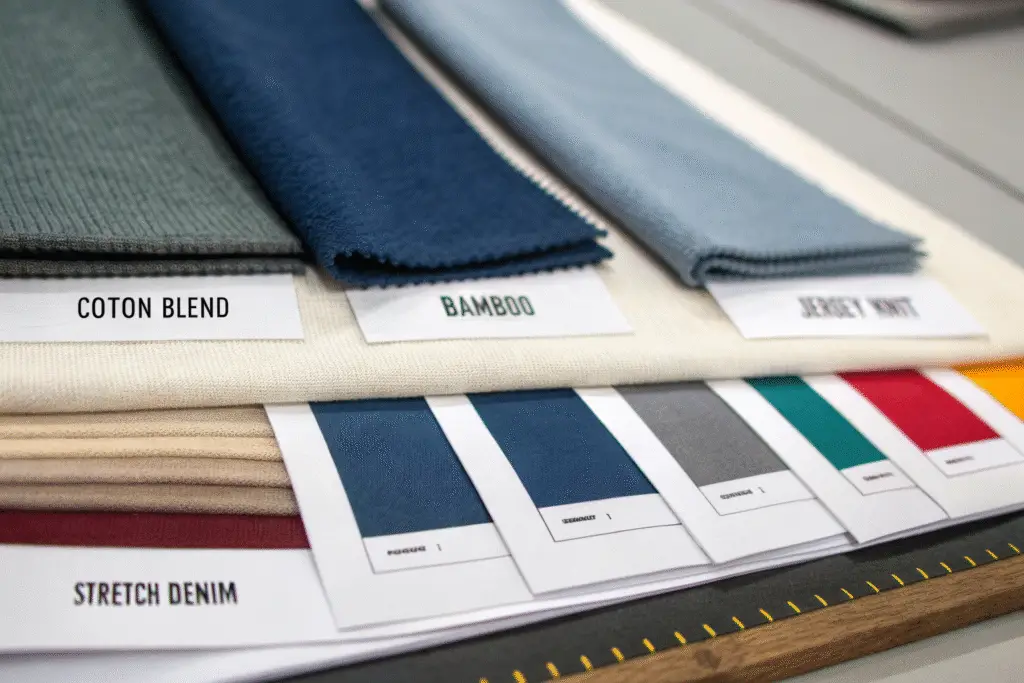
Why Use Cotton Blends?
Cotton blends are breathable, soft, and easy to wash, making them ideal for everyday adaptive garments. Certified sources such as OEKO-TEX ensure safety for sensitive skin.
How Do Bamboo and Jersey Fabrics Help?
Bamboo is hypoallergenic and moisture-wicking, while jersey knit provides natural stretch. Suppliers like Lenzing lead in sustainable bamboo and modal fibers for adaptive lines.
How Important Is Stretch and Durability?
Stretch and durability are essential to adaptive fashion because garments must withstand frequent wear while offering flexibility.
Fabrics with elastane, spandex, and stretch denim offer movement and long-lasting quality.
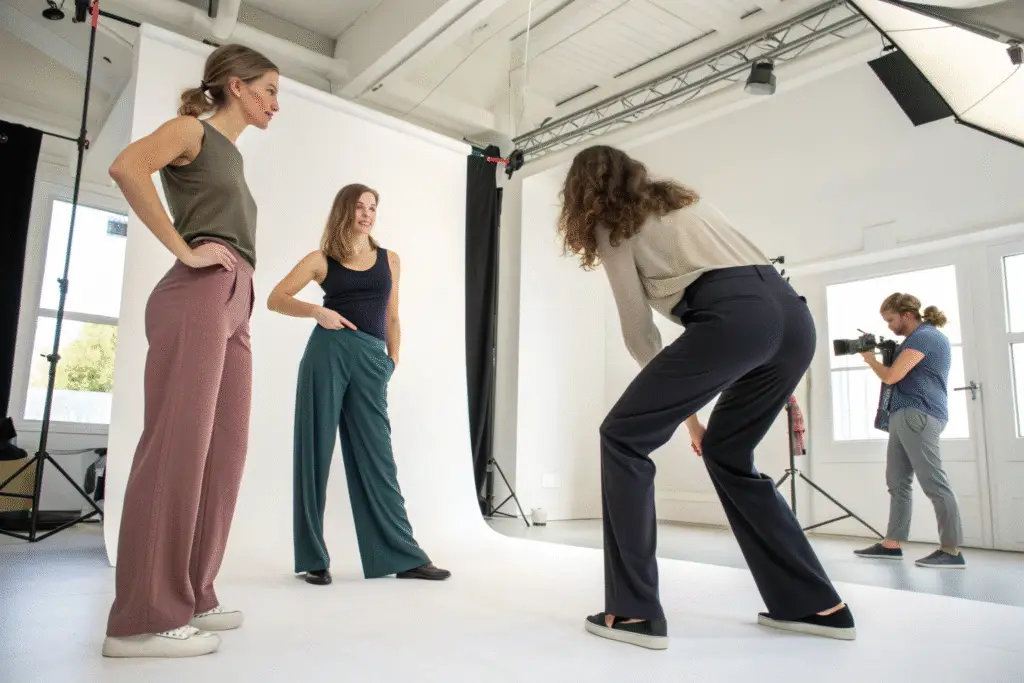
Do Stretch Fabrics Improve Independence?
Yes. Stretch fabrics allow consumers to move and dress with less effort. Reports from Fibre2Fashion highlight elastane blends as key to adaptive wear comfort.
Why Is Durability Important?
Adaptive clothing often goes through frequent washing. Durable fabrics like stretch denim maintain structure while staying soft. Insights from Textile World confirm that reinforced textiles extend product life.
How Can Buyers Source Fabrics for Adaptive Clothing?
Sourcing requires identifying suppliers who understand both performance and accessibility.
Buyers should focus on certified, boutique-friendly, and sustainable fabric suppliers.
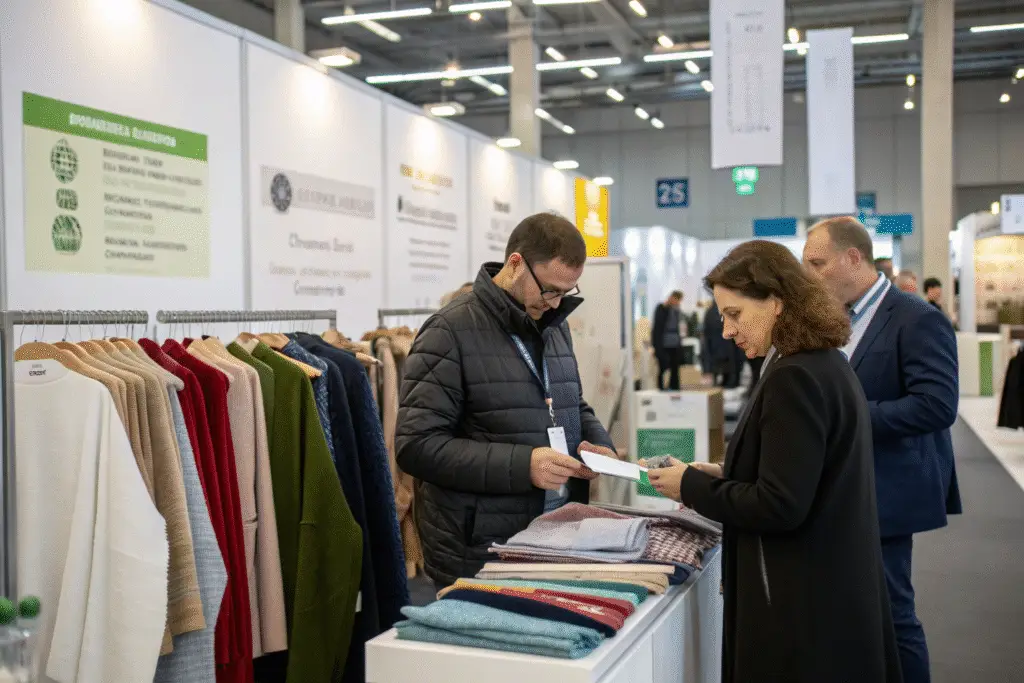
Where Can Buyers Find Reliable Suppliers?
Platforms like Fibre2Fashion, Alibaba, and Global Sources list adaptive-friendly fabric suppliers. Trade fairs like Techtextil provide opportunities for direct connections.
Why Choose Certified Fabrics?
Certifications such as GOTS and OEKO-TEX ensure skin safety and environmental responsibility. Buyers sourcing adaptive fabrics often highlight certifications in their marketing to build trust.
What Is the Future of Fabrics in Adaptive Fashion?
The future of adaptive clothing fabrics points to technology integration and smarter textiles.
Innovations will include temperature-regulating fabrics, antimicrobial treatments, and AI-driven textile development.
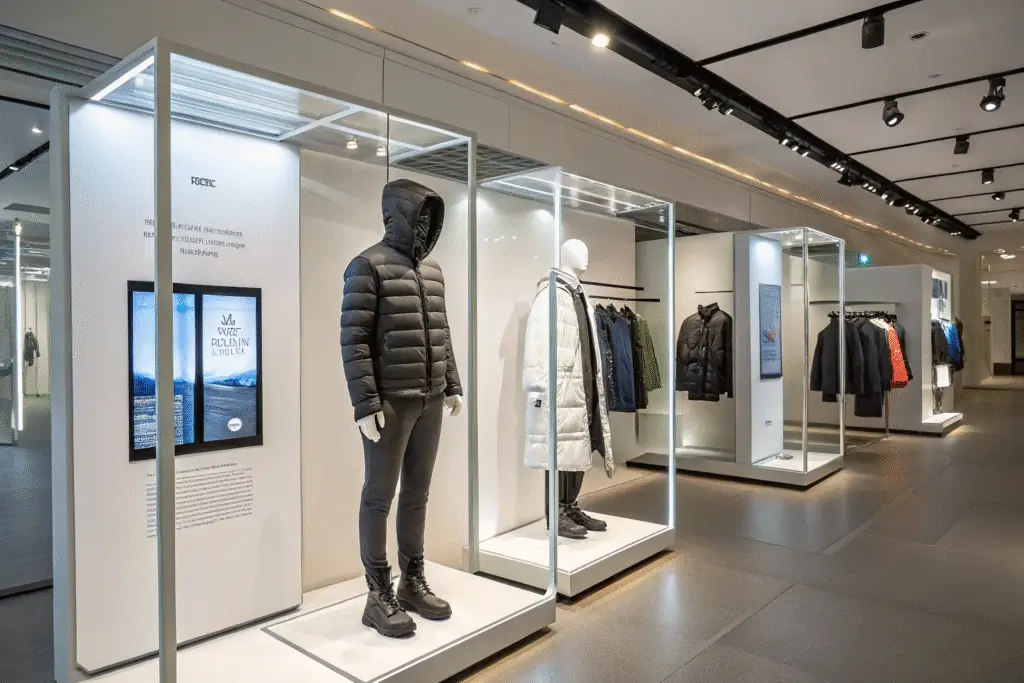
Will Smart Fabrics Become Standard?
Yes. Fabrics that regulate temperature or fight bacteria are already entering adaptive wear. Reports from Vogue Business confirm growing adoption of health-focused textiles.
How Will Technology Transform Adaptive Fabrics?
Nanotechnology and AI-driven textile design will create fabrics tailored to mobility and health needs. Research in Journal of Intelligent Textiles highlights how adaptive fashion will integrate wearables and smart features.
Conclusion
Fabrics are the foundation of adaptive clothing. Buyers sourcing for this segment must prioritize softness, stretch, durability, and eco-certifications. By working with trusted suppliers, boutique and large brands alike can create collections that deliver comfort and inclusivity.
As a Chinese apparel manufacturer, I have helped U.S. and European buyers develop adaptive collections with certified fabrics. If you are ready to build your adaptive clothing line, we at Shanghai Fumao are ready to collaborate. Please contact our Business Director Elaine at elaine@fumaoclothing.com to start your project.