In today’s fashion industry, modular clothing is gaining attention because of its versatility and sustainability. Brands and consumers are both searching for solutions that reduce waste, extend garment lifespan, and adapt to changing styles.
The best fabrics for modular clothing are durable, flexible, and sustainable, making them suitable for designs with detachable, interchangeable, and multi-functional elements.
This article will explore which fabrics work best for modular fashion, how they balance durability and comfort, and why sustainable textiles are key to long-term success in this design trend.
Why Do Modular Clothing Designs Need Specialized Fabrics?
Modular fashion is different from regular clothing. It requires fabrics that can withstand repeated use, washing, and reassembly without losing shape or strength.
Specialized fabrics provide the right balance of flexibility, resilience, and comfort, which ensures modular pieces perform well in daily use.
The choice of fabric directly determines how successful a modular design will be.
Can Stretch Fabrics Improve Modular Versatility?
Yes. Fabrics like spandex blends or elastane allow clothing to fit multiple body shapes and adjust when panels or sleeves are swapped. This flexibility is essential for modular design.
Why Is Fabric Durability Critical for Modular Pieces?
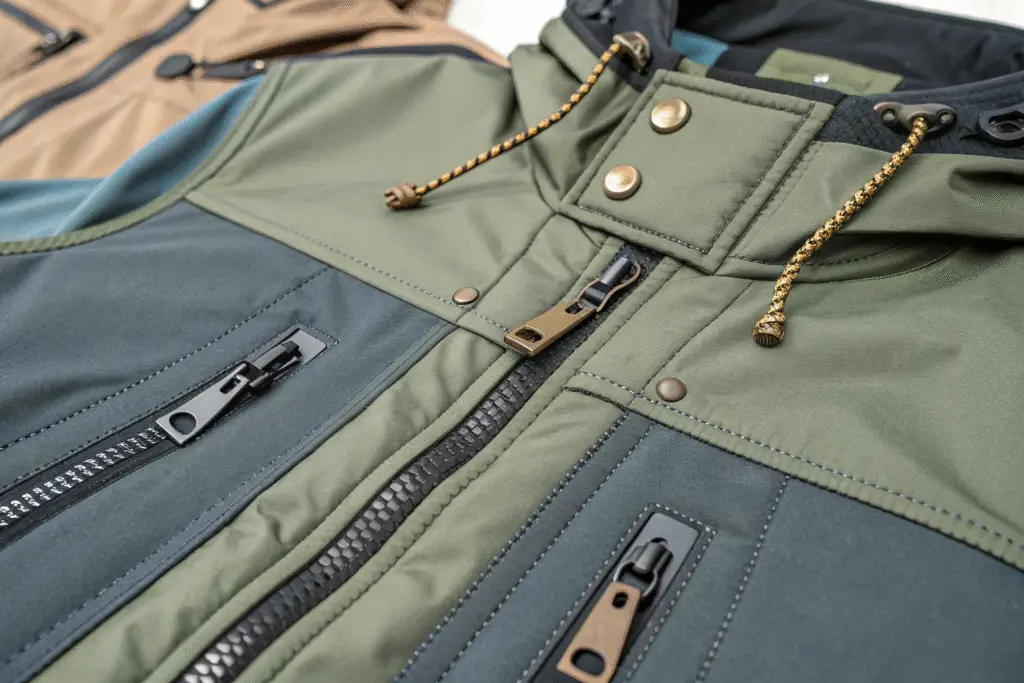
Because modular garments are designed for multiple configurations, fabrics must handle more stress than ordinary clothing. Materials like nylon blends are strong and lightweight, making them ideal for modular outerwear.
What Are the Most Sustainable Fabrics for Modular Clothing?
Sustainability is one of the biggest reasons why modular clothing is growing. Fabrics must align with eco-friendly practices to appeal to modern consumers.
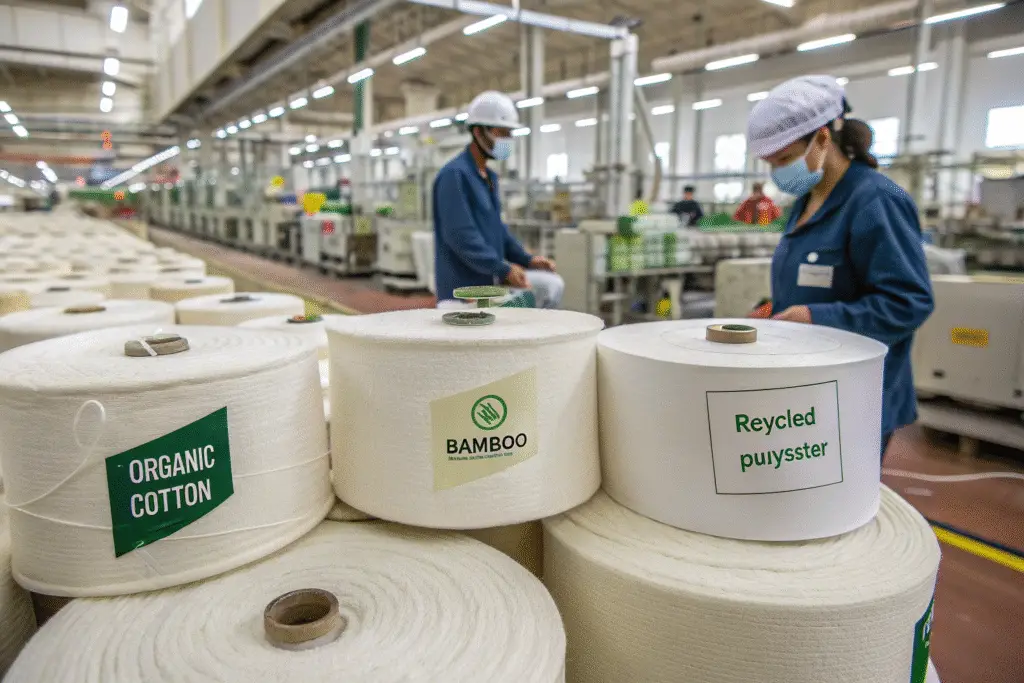
Sustainable textiles like organic cotton, bamboo, and recycled polyester help brands reduce waste while offering durability and comfort.
Choosing eco-friendly fabrics strengthens both a brand’s image and environmental responsibility.
Why Is Organic Cotton Popular for Modular Basics?
Organic cotton is soft, breathable, and renewable. It avoids harmful chemicals, making it safer for both consumers and workers. According to Textile Exchange, organic cotton is one of the most sustainable fabrics available.
Can Recycled Polyester Work in Modular Outerwear?
Yes. Recycled polyester provides strength, wrinkle resistance, and flexibility. It is widely used in modular jackets and sportswear, offering both performance and sustainability.
How Do Performance Fabrics Enhance Modular Fashion?
Performance fabrics are essential for modular clothing that must adapt to various functions, such as outdoor or sportswear.
Technical textiles provide moisture control, weather resistance, and stretch, making modular clothing practical and long-lasting.
Using high-performance fabrics ensures modular designs are not only stylish but also functional.
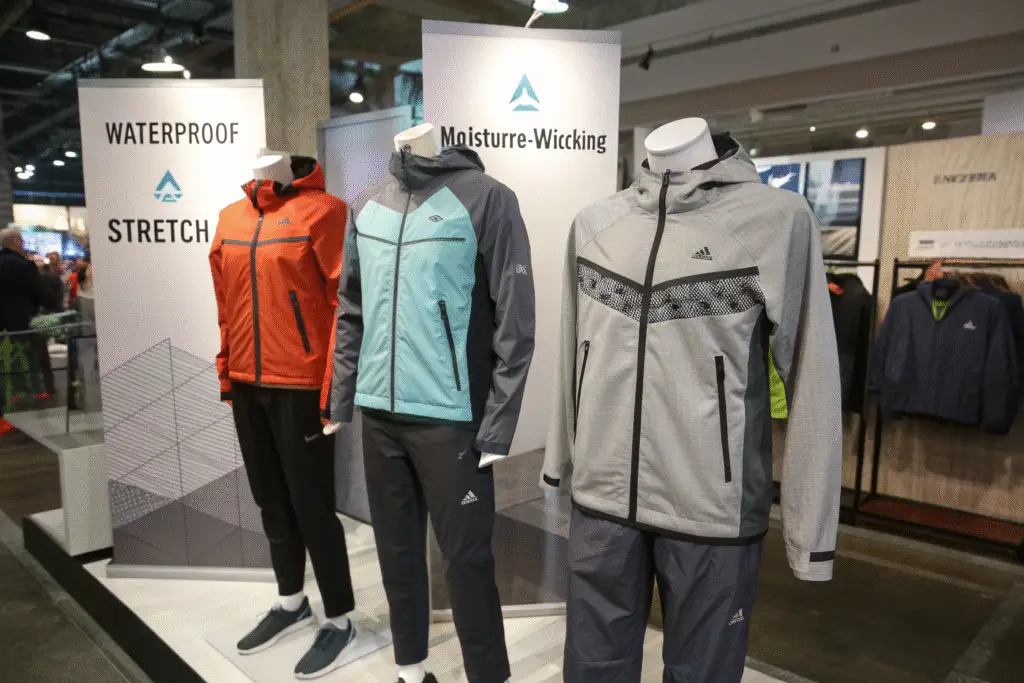
Can Moisture-Wicking Fabrics Improve Active Modular Wear?
Yes. Fabrics like Coolmax help regulate body temperature and keep wearers comfortable. These textiles are perfect for modular sportswear that needs versatility and performance.
Why Are Waterproof Fabrics Important for Outerwear?
For modular coats or jackets, waterproof fabrics such as Gore-Tex make garments more functional. Customers appreciate modular outerwear that protects against rain while offering style flexibility.
Are Blended Fabrics the Future of Modular Fashion?
Blended fabrics combine the strengths of multiple fibers. They offer durability, comfort, and adaptability, which is ideal for modular fashion.
Blended textiles allow brands to optimize stretch, sustainability, and resilience in one fabric, making them the future of modular apparel.
This versatility ensures modular garments can perform well across categories.
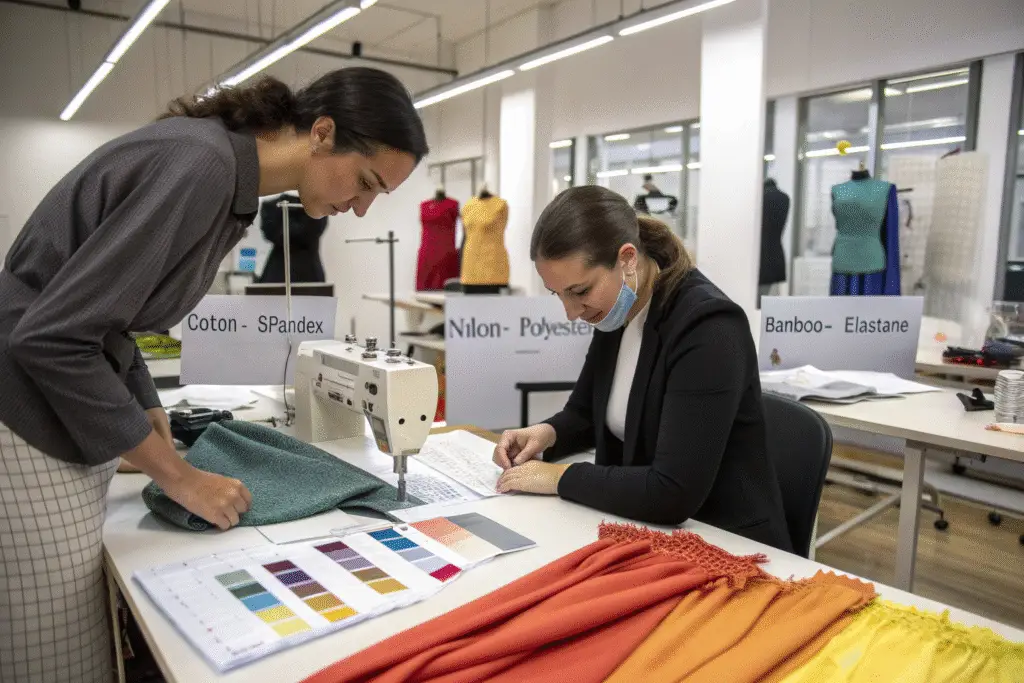
How Do Cotton-Spandex Blends Benefit Modular Clothing?
Cotton-spandex blends provide natural softness with added elasticity. These fabrics make modular everyday wear more comfortable and adjustable. Learn more at CottonWorks.
Can Bamboo-Elastane Blends Improve Sustainability and Fit?
Yes. Bamboo-elastane blends combine eco-friendliness with stretch, making them perfect for modular fashion lines that emphasize both sustainability and flexibility. Bamboo Clothing UK highlights the growing use of bamboo blends in modern apparel.
Conclusion
Modular clothing designs need fabrics that are strong, versatile, and sustainable. Stretch fabrics improve adaptability, sustainable textiles align with eco-conscious values, performance fabrics add function, and blended fabrics combine multiple advantages.
At Shanghai Fumao Clothing, we work with organic cotton, recycled polyester, bamboo, and performance blends to create modular apparel for brands worldwide. If you want to develop modular fashion collections with durable and eco-friendly fabrics, contact our Business Director Elaine at elaine@fumaoclothing.com.