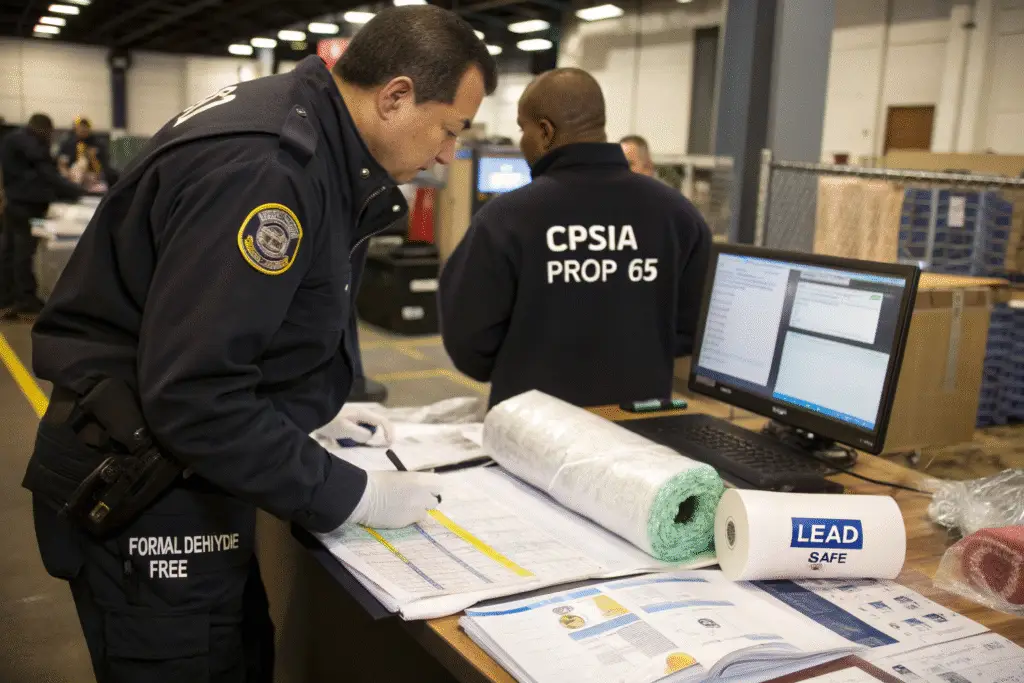
In 2025, U.S. Customs is cracking down harder than ever on chemical compliance for imported apparel. From formaldehyde in linings to phthalates in trims and lead in print inks—non-compliant garments are being flagged, fined, or destroyed.
One mid-sized brand we worked with was nearly hit with a $102,000 penalty for shipping fleece hoodies with undisclosed azo dyes.
Avoiding these fines is no longer optional. The right chemical compliance strategy isn’t just about safety—it’s a supply chain survival tactic.
Here’s how to stay clear of customs violations and avoid six-figure disasters.
What Are the Most Common Chemical Compliance Risks in Apparel Imports?
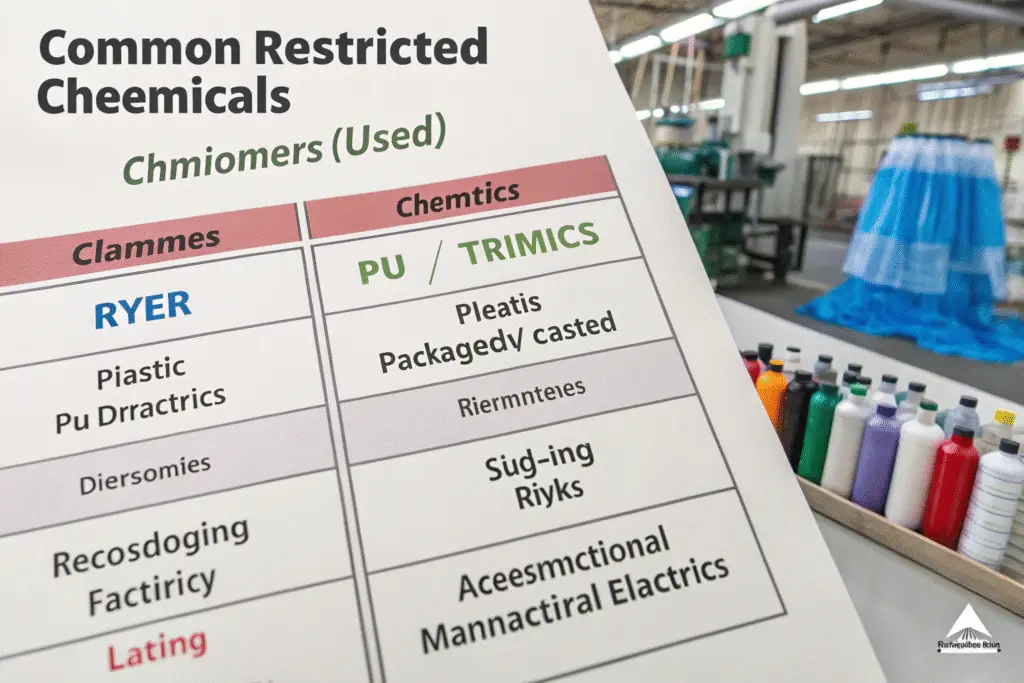
Most importers think about fabric safety in vague terms—but U.S. regulations are extremely specific. These are the most fined categories in 2024–2025:
| Chemical / Regulation | Affected Apparel Areas | Max Allowable Limit |
|---|---|---|
| Formaldehyde (CPSIA/ASTM) | Linings, interlinings, shirt fabric | ≤ 75 ppm for kids |
| Lead (CPSIA) | Prints, snaps, zippers, PU belts | ≤ 100 ppm |
| Phthalates (CPSIA/Prop 65) | Plastisol prints, trims, packaging | ≤ 0.1% |
| Azo dyes (Prop 65) | Dyed synthetics, blacks, navies | Prohibited |
| Nickel (EU REACH/US retail) | Buttons, rivets, earrings | ≤ 0.5 µg/cm²/week |
Why Are Customs Fines So High?
If your shipment gets flagged, you may face:
- Up to $100,000 per violation
- Product seizure and destruction
- Brand blacklisting
- Lawsuits under California’s Prop 65
In 2025, CBP increased spot-checks by 28% at Long Beach and NY/NJ ports for textile chemical testing.
What Are the Loopholes That Smart Brands Use Legally?
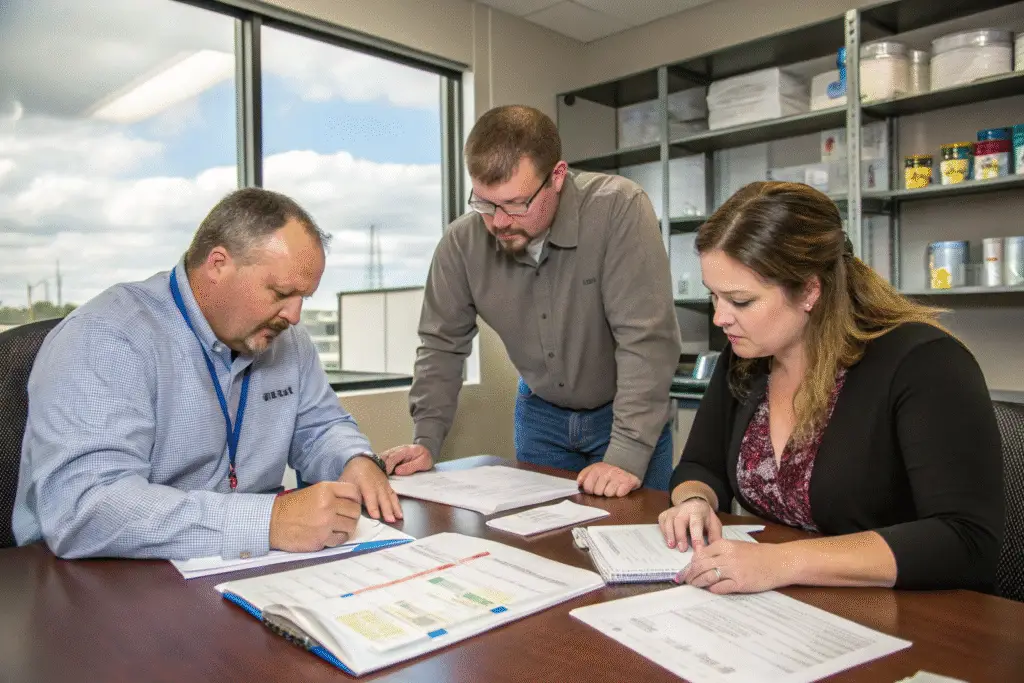
Avoiding penalties doesn’t mean cutting corners—it means playing smarter within the law.
Here are five legal strategies leading brands use to reduce risk:
1. Use Pre-Tested Certified Inputs
Source from mills that supply OEKO-TEX®, bluesign®, or GOTS-certified fabrics. These materials have pre-cleared chemical profiles, and you can piggyback on their test reports.
✅ Example: One of our U.S. clients uses OEKO-TEX cotton fleece from a Chinese mill—automatically Prop 65-safe and CPSIA-compliant.
2. Standardize Printing and Trims
Use the same low-lead inks, nickel-free snaps, and phthalate-free plastisol across all styles. Consolidation = less risk.
3. Build a Compliance Folder Per PO
Keep a PDF pack per order with:
- Material test reports
- Trim/component safety sheets
- In-house QA logs
- Customs HS code declaration
It shows you’ve done your due diligence if questioned.
4. Partner With Factories That Pre-Test
We test trims and fabric swatches before cutting bulk using SGS/Intertek/CMA protocols—especially for kidswear.
5. Declare with HTS Codes That Flag Safety
Using the correct HS code (e.g., 6109.10.00 for cotton kids’ T-shirts) ensures customs checks your goods properly. Misclassification can trigger random audits.
How Can You Audit Your Supply Chain for Hidden Chemical Risks?
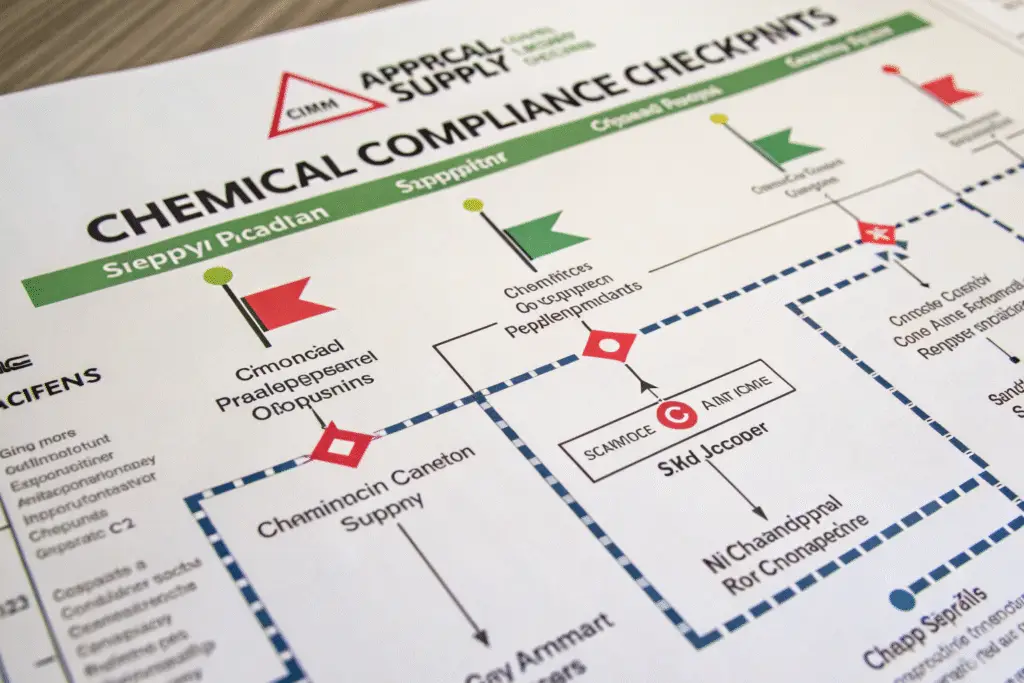
Even if you use safe fabrics, hidden chemical risk may be lurking in your dyes, trims, packaging, or warehouse cleaning products.
Here’s how to self-audit quickly:
Step 1: Identify High-Risk Categories
- Children’s products
- Dyed blacks/navy garments
- PU belts, accessories
- Garments with snaps, zippers, or foil prints
Step 2: Request All SDS (Safety Data Sheets)
Ask suppliers for SDS of:
- Fabric finishing
- Print ink
- Trims and packaging
If they won’t supply them—that’s a red flag.
Step 3: Batch-Track Dye Houses
Record the dye lot #, date, and color for each shipment. That’s your chemical fingerprint if the shipment gets flagged.
Step 4: Run 3rd-Party Spot Tests
Use SGS, TÜV, or Intertek to randomly test 1–2 POs per month. Especially critical during color changes or new fabric adoption.
💡 Pro tip: Keep a sealed sample from each lot in your office. If customs asks for a lab retest, you’ll have backup.
What Should Be in a Chemical Compliance Pack for Customs?
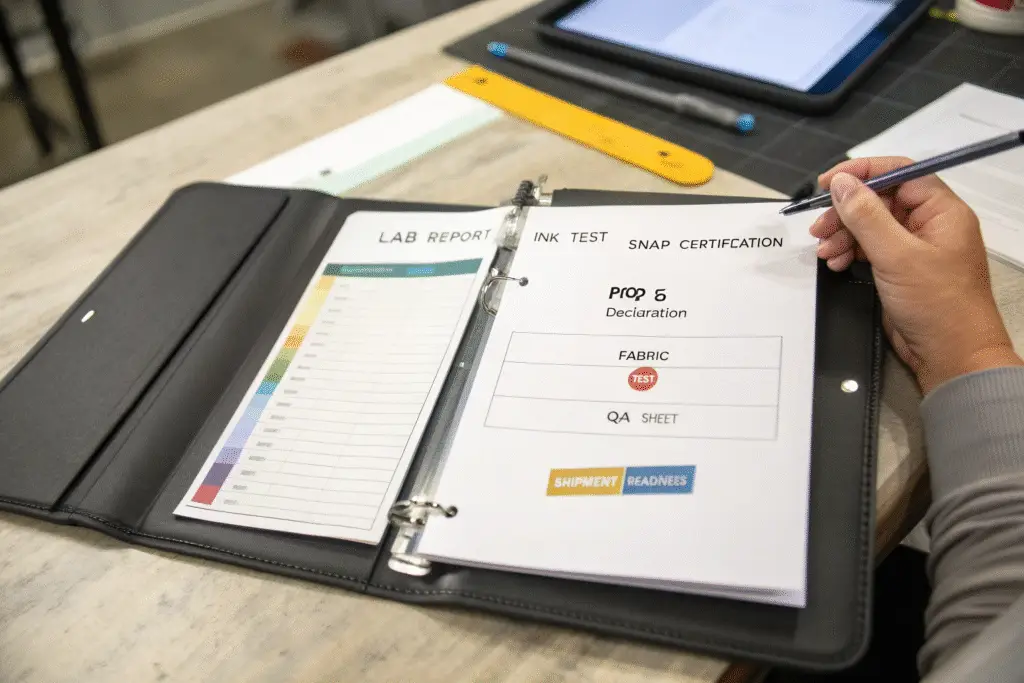
When shipping to the U.S., your “compliance pack” should be ready for any CBP query.
Basic Compliance File Includes:
| Document | Purpose |
|---|---|
| Fabric Test Report (SGS) | Shows formaldehyde, lead levels |
| Trim SDS (Snaps/Zippers) | Proof of no nickel/phthalates |
| Ink MSDS/Printing Cert | Confirms no lead or AZO dyes |
| Declaration of Conformity (DoC) | CPSIA compliance form |
| Prop 65 Labeling Plan | Declares warning or exemption |
Use a naming format like PO12345_FabricTest_SGS.pdf for traceability. A well-organized digital folder has saved many of our clients from full customs seizures.
Conclusion: Don’t Wait for a Fine to Take Action
Chemical compliance is no longer a “big brand” concern. U.S. Customs and state regulators now expect even small importers to track fabric origin, dye components, and packaging materials.
At FUMAO, we provide our clients:
- Pre-tested compliant fabrics and trims
- DDP shipping with full compliance file
- Real-time updates on CPSIA/Prop 65 changes
Don’t gamble with six-figure penalties. If you're unsure about your chemical compliance risks, email our team at elaine@fumaoclothing.com. We’ll review your materials, provide safe alternatives, and prepare your shipment to clear customs without worry.