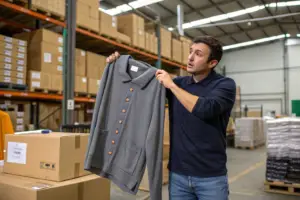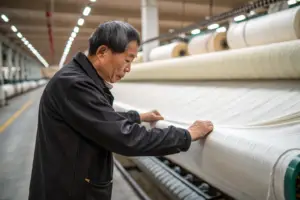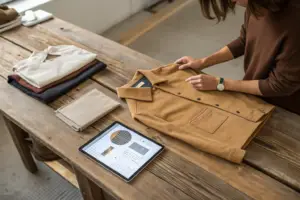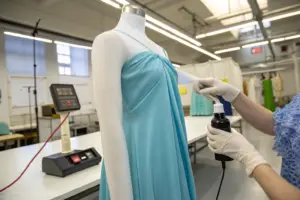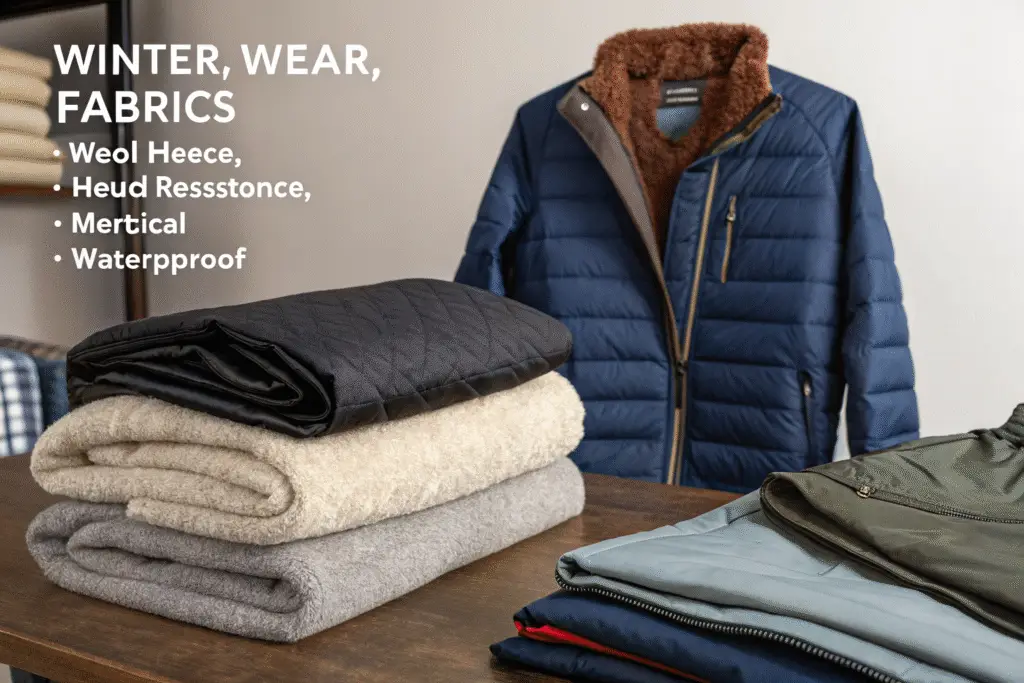
When it comes to winter wear, fabric choice is everything. No matter how fashionable your design is, if the material doesn’t offer proper insulation, moisture resistance, or comfort, your garment won’t perform in cold climates. As a manufacturer working with North American and European apparel brands, I’ve seen firsthand how the right fabric can define whether a coat becomes a seasonal bestseller—or a customer service nightmare.
The best winter clothing and outerwear fabrics include natural insulators like wool, high-performance synthetics like Gore-Tex and Thinsulate, and layered materials that combine warmth, wind resistance, and breathability.
In this guide, I’ll walk you through the most trusted winter fabrics used by global apparel brands, how to source them from the right suppliers, and what to avoid when designing for the cold season.
What Natural Fabrics Are Best for Winter Warmth?
Natural fibers have been used for centuries to combat cold weather. Their insulating properties come from microscopic air pockets within the fibers that trap body heat while allowing breathability.
Wool, cashmere, and alpaca are among the most reliable natural fabrics for winter outerwear and base layers, offering exceptional thermal regulation and softness.
Why Is Wool a Staple Fabric for Cold Weather?
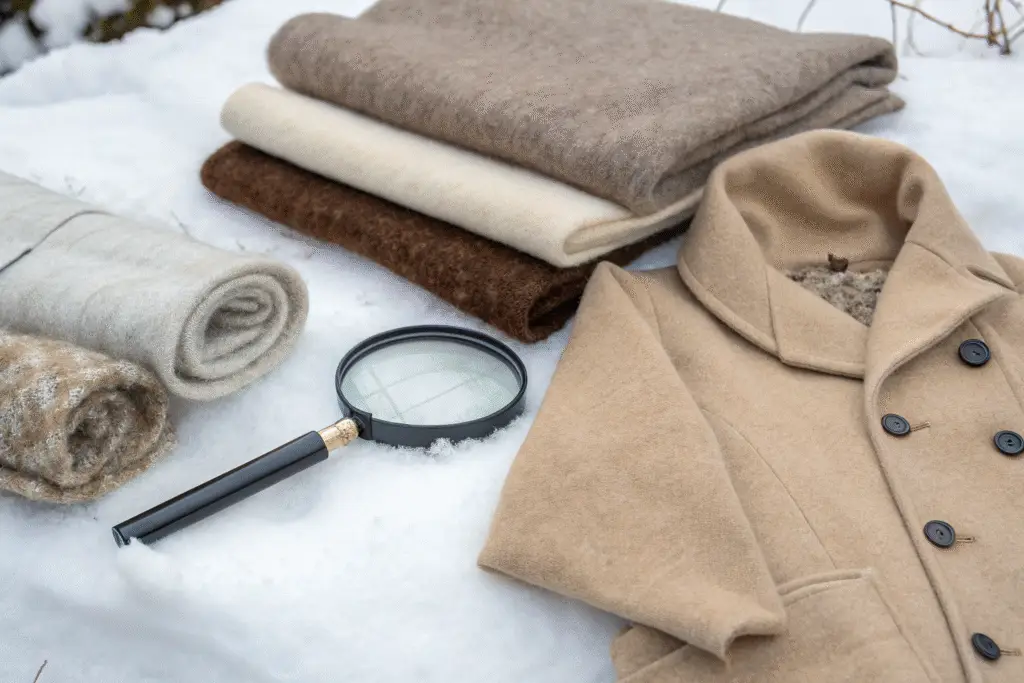
Wool is naturally insulating, moisture-wicking, odor-resistant, and retains heat even when wet. Variants like merino wool offer a softer hand feel, making it ideal for base layers and sweaters. Coarser wools like melton wool are used in overcoats and pea coats for structure and warmth.
Learn more from The Woolmark Company and explore premium wool options from Südwolle Group.
How Does Cashmere Compare to Other Winter Fabrics?
Cashmere is warmer than wool but lighter and softer. It comes from the undercoat of cashmere goats and is often blended with wool or silk to reduce cost. While luxurious, it requires careful handling and is often found in high-end scarves, coats, and sweaters.
Read about sustainability in Cashmere Production and browse premium suppliers like Cariaggi.
What Synthetic Fabrics Offer High-Tech Winter Protection?
Natural fibers provide comfort and luxury, but synthetic materials dominate winter outerwear because of their lightweight, water-repellent, and windproof properties.
Fabrics like Gore-Tex, Thinsulate, and softshell polyester deliver unparalleled weather protection, especially for active outdoor wear and urban winter jackets.
What Makes Gore-Tex Ideal for Outerwear?
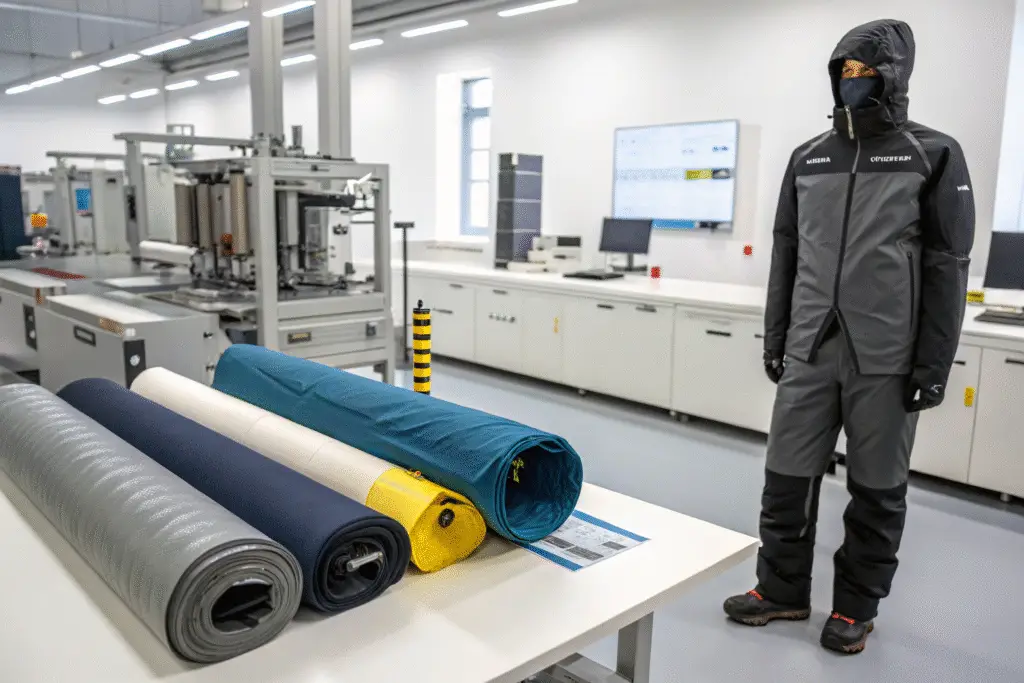
Gore-Tex is a membrane fabric that’s waterproof, windproof, and breathable. It’s commonly used in ski jackets, mountaineering gear, and city parkas. The fabric allows vapor (sweat) to escape while preventing water from entering.
Learn about the science behind it at Gore-Tex and sourcing options via Sympatex Technologies.
How Does Thinsulate Enhance Warmth Without Bulk?
Developed by 3M, Thinsulate is a synthetic microfiber thermal insulation that traps more heat with less material. It’s often used in gloves, boots, and quilted linings in winter coats. Its low profile makes it ideal for fashion-forward outerwear without puffiness.
Learn more on 3M Thinsulate and explore suppliers at Tex Tech Industries.
Which Fabrics Are Best for Lining, Insulation, and Layering?
Great winter clothing is layered. Each layer plays a role: outer shell resists the elements, insulation traps heat, and lining ensures comfort. Choosing the right combination makes garments functional and pleasant to wear.
Fabrics like fleece, down, sherpa, and quilted polyester are commonly used for interior layers or fill materials in winter outerwear.
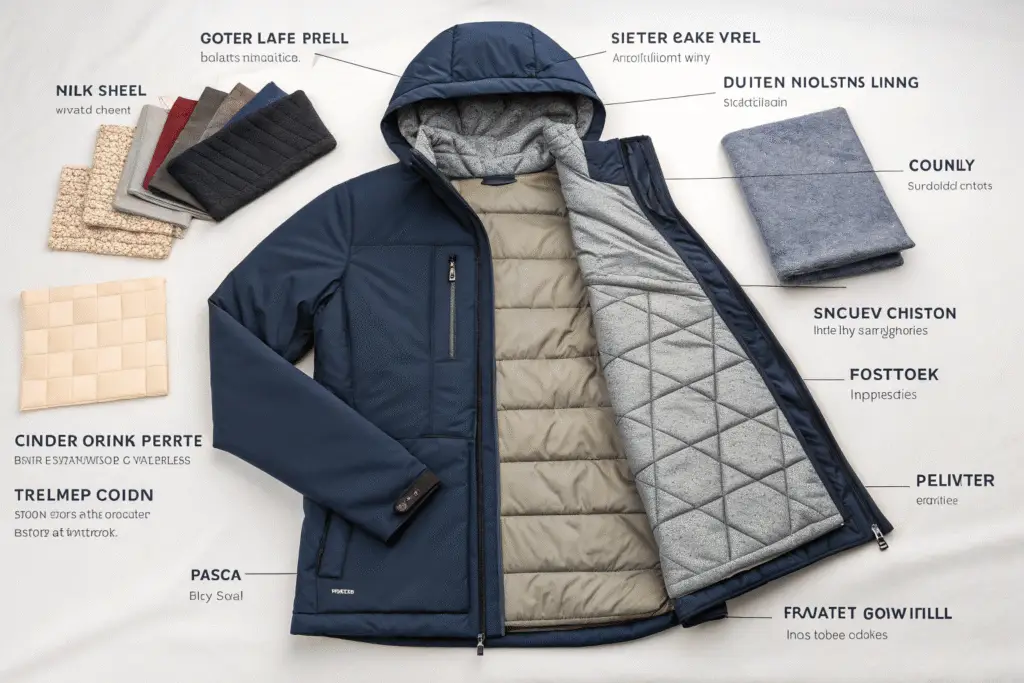
How Does Fleece Function as a Mid-Layer or Lining?
Fleece is a synthetic knit fabric (often polyester) brushed for softness. It's lightweight, breathable, and dries quickly, making it perfect for mid-layers or as cozy lining inside jackets. Microfleece is used for base layers, while polar fleece adds thickness.
Explore fleece applications at Polartec and wholesale options via Fabric Wholesale Direct.
What Are the Pros and Cons of Using Down Fill?
Down offers the highest warmth-to-weight ratio. It’s made from the soft under-feathers of ducks or geese. Look for ethically sourced or RDS-certified down to meet Western compliance.
Synthetic alternatives like PrimaLoft mimic down’s loft and insulation without animal content. See Allied Feather & Down for responsibly sourced down and PrimaLoft for alternatives.
How to Choose Fabrics Based on Use Case and Climate?
Not all winter fabrics are right for every environment. The choice depends on whether you’re designing for fashion, function, or both—and whether the climate is wet, dry, windy, or snowy.
Match fabric properties with the wearer’s needs: water resistance, breathability, stretch, or packability. Use-case-specific fabrics perform better and reduce return rates.
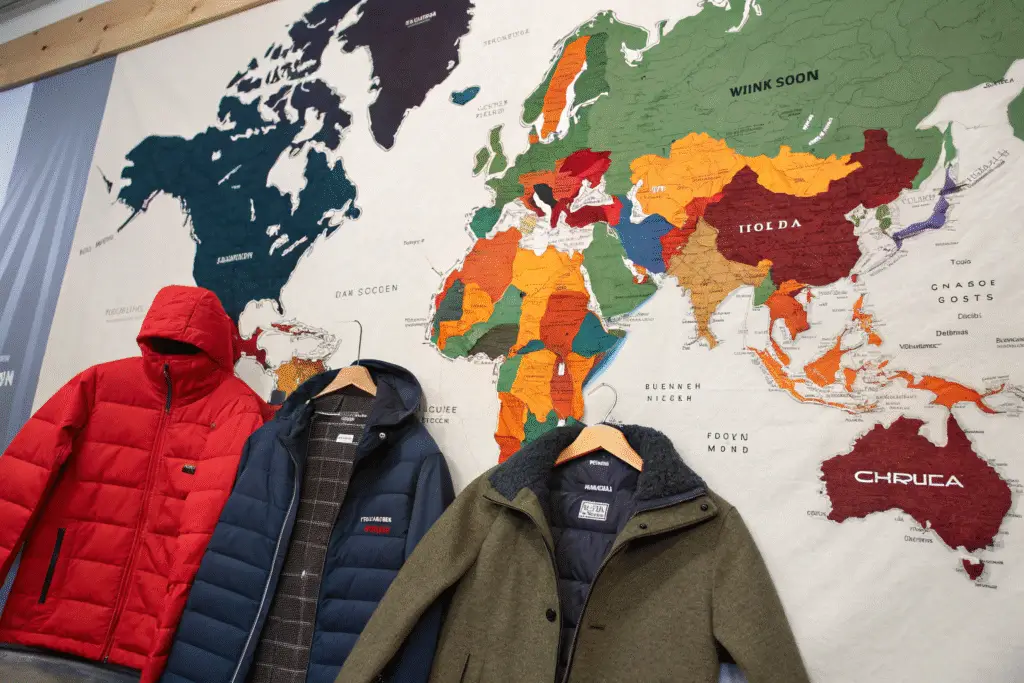
What Fabrics Work Best in Wet, Snowy Winters?
For cities like New York or Toronto, outerwear must repel moisture and handle salt, slush, and cold. Use waterproof fabrics like:
- Gore-Tex or eVent shell
- PU-coated nylon or polyester
- Down or synthetic fill with water-resistant shell
Check eVent Fabrics for high-performance breathable waterproof fabrics.
What Materials Are Better for Dry, Cold Conditions?
In places like Colorado or northern China, the challenge is frigid air and wind—not water. Wool blends, canvas shells with sherpa lining, and tightly woven cotton can suffice. Many fashion brands opt for waxed cotton or heavy melton wool in these areas.
Explore natural shell options at Halley Stevensons or British Millerain.
Conclusion
Whether you’re creating a luxurious overcoat or a high-performance parka, choosing the right winter fabric is critical to your garment’s success. The best winter fabrics combine insulation, durability, weather resistance, and comfort, tailored to the climate and your customer’s lifestyle.
From natural insulators like wool and cashmere to modern synthetics like Gore-Tex and Thinsulate, each fabric has a role in building effective cold-weather fashion. As a trusted manufacturing partner for U.S. and EU brands, we at Fumao Clothing help you match the right fabric to your winterwear concept, ensuring both warmth and market appeal.
Let us guide you in building winter collections that are not just stylish—but winterproof.