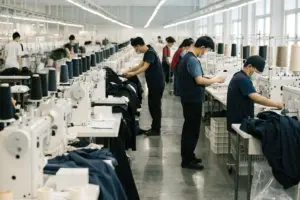
In rental fashion, speed and reliability aren’t just goals—they’re survival tools. Communication holds the system together.
Clear, real-time communication across rental fashion supply chains helps prevent delays, improve garment rotation, reduce returns, and ensure every piece arrives on time and in top condition.
At Fumao, we work closely with rental brands who rely on constant feedback and fast response times. Here’s how communication becomes the thread that keeps your entire operation stitched together.
How Real-Time Updates Reduce Rental Fulfillment Delays
One late delivery can mean a missed event, lost revenue, or an angry customer. You can’t afford to wait for answers.
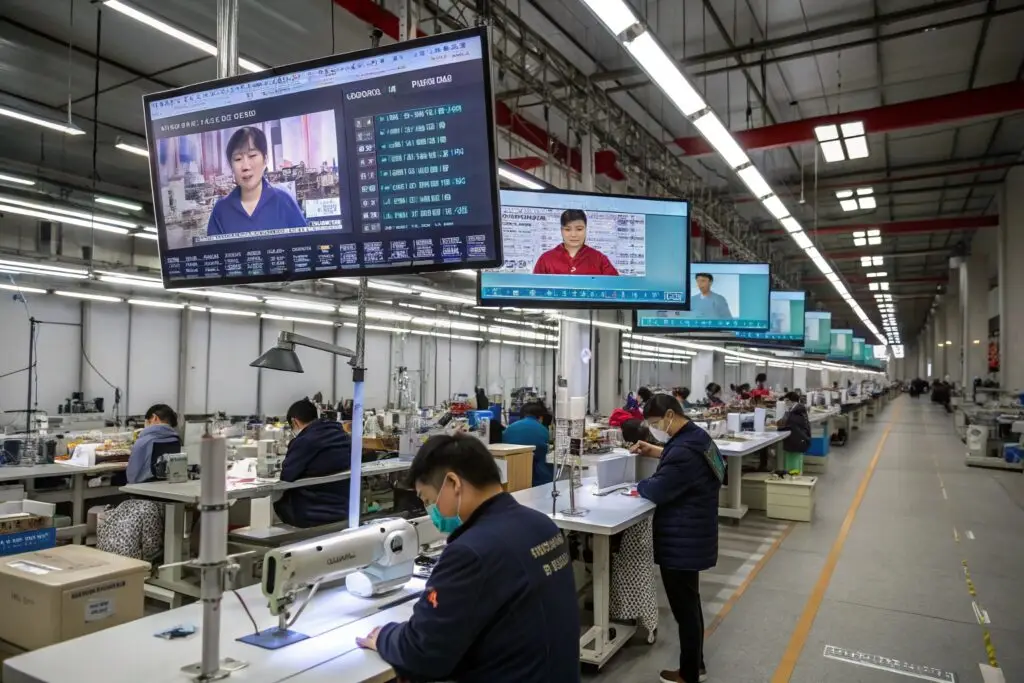
Real-time updates between brands and suppliers help prevent production bottlenecks, manage last-minute changes, and ensure garments arrive before rental cycles begin.
Why does this matter in rental?
- Rental orders are often season-sensitive or event-specific
- Delivery windows are shorter than traditional retail
- Inventory is shared across users—missed arrivals ripple down
At Fumao, we use:
- Live production dashboards that track sewing, QA, packing, shipping
- Pre-shipment alerts that include barcode and carton data
- Daily update protocols during peak periods
For one UK-based client, shifting from weekly check-ins to twice-daily WhatsApp and Google Sheets syncs cut their late dispatch rate by 60%.
Ask your supplier:
- “Can you provide status updates by phase (cutting, stitching, packing)?”
- “How do you report delays or capacity issues before they escalate?”
- “Do you offer live shipment tracking links?”
You don’t need to micromanage—you just need to stay in sync.
Why Transparent Sizing Data Prevents Customer Returns
Returns aren’t just costly—they disrupt the entire rental rhythm. Most are caused by fit failures that could have been avoided.
Transparent sizing communication—from pattern accuracy to region-specific grading—helps reduce renter dissatisfaction and avoid unnecessary reverse logistics.

What sizing data needs to flow both ways?
| Stage | Communication Needed |
|---|---|
| Sampling | Garment spec sheets, fit notes, sample photos |
| Grading | Region-specific measurement adjustments |
| Production | Size ratio confirmation, label proofs |
| Post-launch | Return feedback used to adjust next batch |
At Fumao, we include:
- Size tolerance reports per style (±0.5–1cm precision)
- Renter feedback integration for adjustments
- QR-linked garment cards with fit and wash guidance
We helped one U.S. brand cut return rates by 35% after switching to digitally graded patterns plus fit feedback analysis from returned garments.
Ask your supplier:
- “Can you grade to UK, EU, and US standards?”
- “How do you collect and apply return-related fit feedback?”
- “Do you support mid-season sizing updates?”
Clear sizing isn’t just technical—it’s the foundation of rental trust.
How Supplier Collaboration Improves Inventory Rotation
Rental garments aren’t sold—they cycle. That means your supply needs to follow a rhythm, not a one-time drop.
Close collaboration with suppliers enables strategic restocking, flexible reordering, and accurate SKU planning for rental items that rotate quickly.
What does good collaboration look like?
- Rolling reorders based on usage data (not fixed PO windows)
- Partial replenishment of high-performing sizes/colors
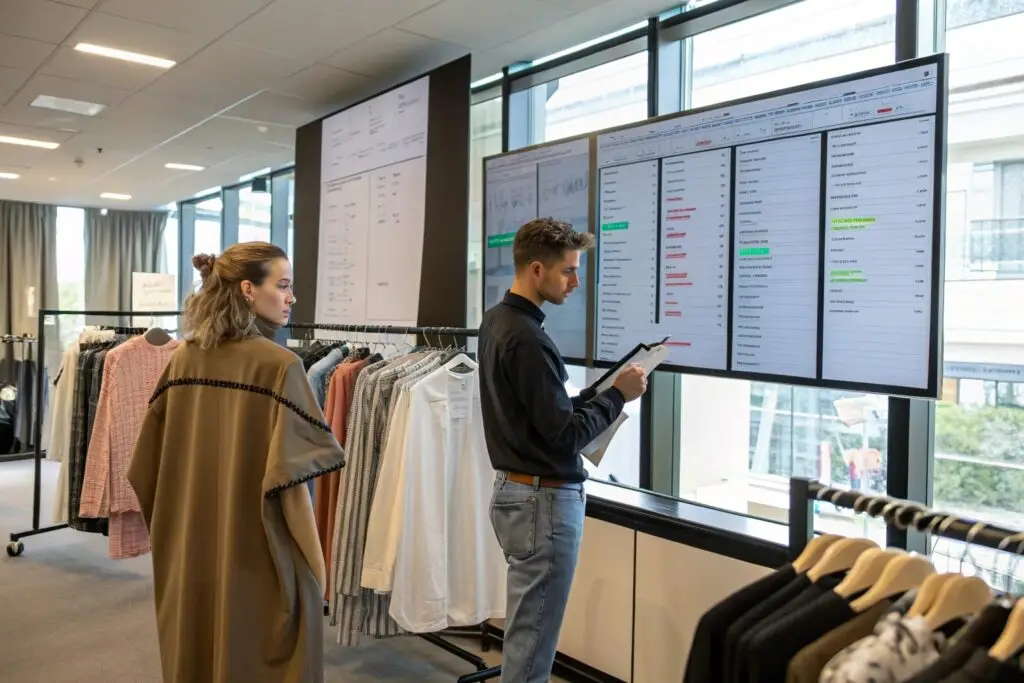
- Shared dashboards showing stock velocity and gaps
- Fabric hold-back plans for fast turnarounds
At Fumao, we offer:
- Inventory buffer programs (pre-cut blanks for fast fill-ins)
- Mid-season MOQ flexibility
- On-hold dye lots for coordinated capsules
This helped a French rental platform replenish bestsellers within 10 days—doubling item lifespan ROI and keeping customers loyal.
Ask your supplier:
- “Can we do staggered shipments by size run?”
- “Are you able to reserve fabric for second drops?”
- “How do you handle priority reruns of high-rotation SKUs?”
Supply chain agility comes from shared planning—not last-minute panic.
What Communication Tools Streamline Seasonal Planning
Planning for spring in January? Then you need a system that lets you see, adjust, and align in real time.
Shared calendars, cloud-based trackers, and instant messaging platforms help rental brands coordinate drops, returns, and restocks with their suppliers efficiently.

What tools do rental brands and suppliers rely on?
- Google Sheets + shared folders for real-time planning templates
- Slack or WhatsApp groups for quick updates and photo confirmations
- Airtable for linked sample, fabric, and shipment databases
- ClickUp or Trello for collaborative production milestones
At Fumao, we use:
- Kanban-style boards for each brand (sampling > bulk > QC > ship)
- Image drop folders for every order stage (cutting, pressing, packed)
- Live calendars with PO delivery targets and drop countdowns
These tools aren’t fancy—they’re friction reducers.
Ask your supplier:
- “What’s your preferred real-time platform for PO tracking?”
- “Can we run shared calendars or visual dashboards?”
- “Do you provide file-naming conventions for image libraries?”
Seasonal success is 50% product, 50% planning—and 100% communication.
Conclusion
In rental fashion, garments move fast—but only if the people behind them stay aligned. From sizing to shipping, every successful rental cycle starts with supplier dialogue. At Fumao, we treat communication not as a task—but as a tool for building trust, speed, and scale.