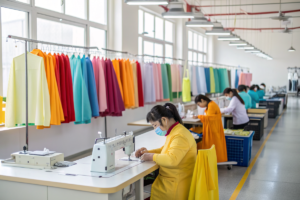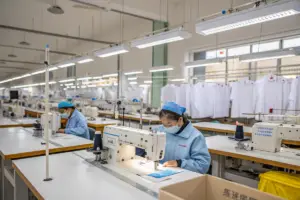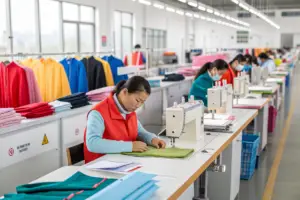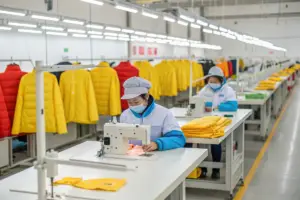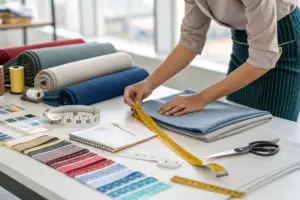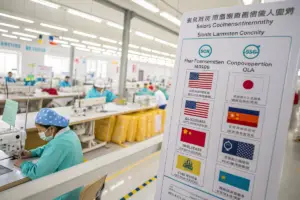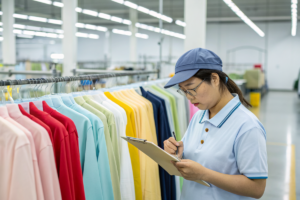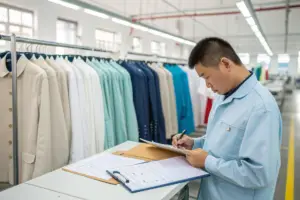
The fashion world moves fast. Trends shift overnight, and brands that can’t keep up get left behind. The solution? Agile production that adapts quickly and delivers faster.
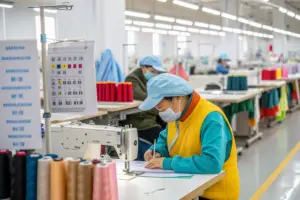
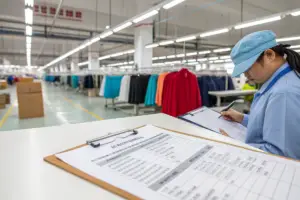
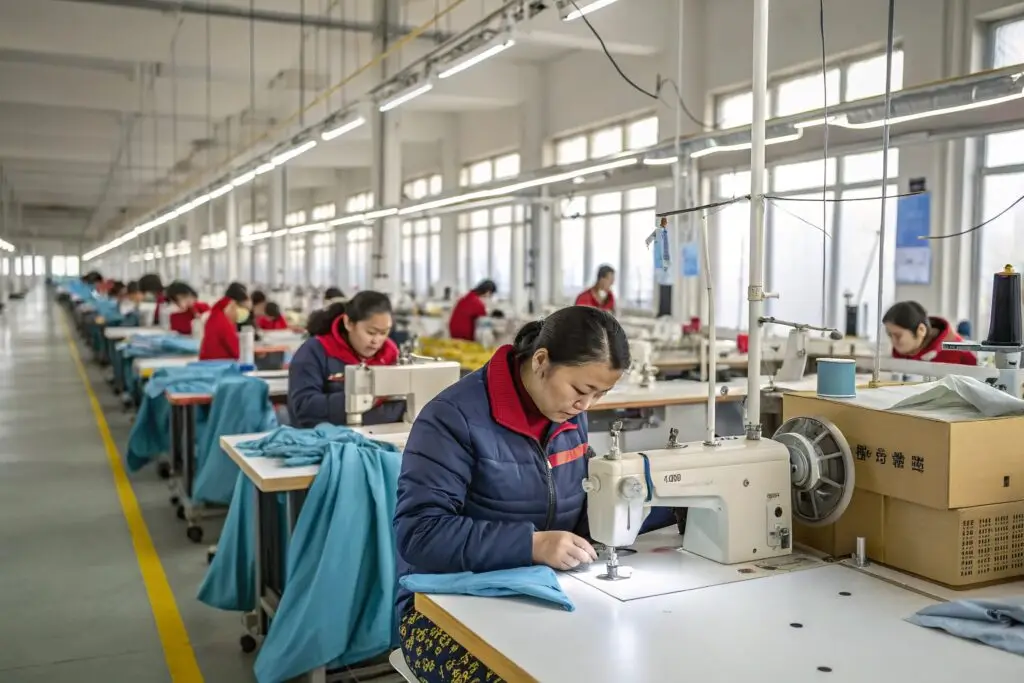
Our 5 production lines support agile fashion development by enabling fast design-to-delivery cycles, small batch flexibility, and real-time response to changing market demands.
When we added more production lines, it wasn’t just about volume. It was about speed, control, and giving brands the ability to launch quicker, test smarter, and scale when ready.
What is agile manufacturing in the fashion industry?
Traditional manufacturing moves slowly. It favors bulk, long timelines, and rigid schedules. Agile manufacturing is the opposite—it moves fast and flexes based on what the market wants.
Agile manufacturing in fashion means using flexible production systems, digital design tools, and smaller batch strategies to deliver faster and reduce inventory risk.
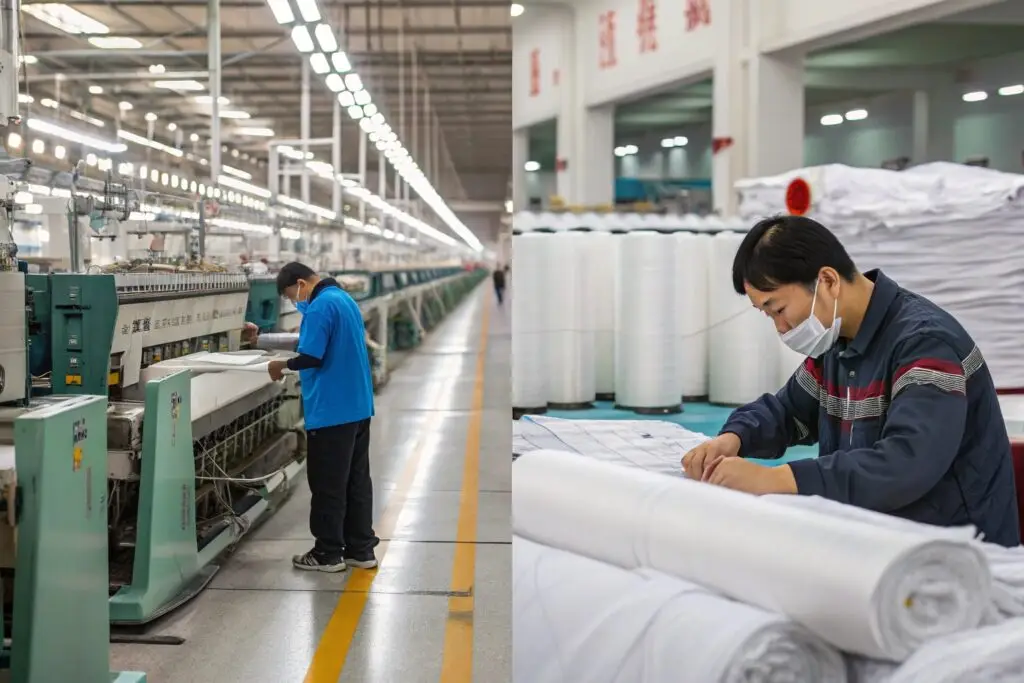
How does agile manufacturing help brands respond faster to changing fashion trends?
In a fast-paced market, yesterday’s design might already feel outdated. Agile manufacturing1 lets brands:
- Launch collections in 2–4 weeks, not 2–4 months
- Test styles in small quantities before scaling up
- Switch fabrics, colors, or cuts quickly
Our factory structure allows:
| Agile Feature | Our Capability |
|---|---|
| Modular production lines | Shift teams based on demand |
| Rapid sampling | 5–7 days for most prototypes |
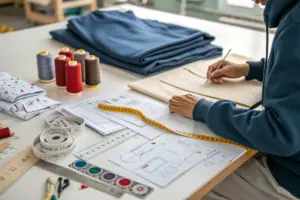
| Digital patterns | Fast tweaks without re-cutting manually |
| Daily status updates | Adjust production mid-way if needed |
This gives brands room to experiment, react, and stay ahead of trend cycles—without getting stuck with dead stock.
Why is agile manufacturing a better fit for emerging and mid-sized fashion brands?
Emerging brands don’t have the cash to order 10,000 units. They need flexibility2. They need agility. They need a factory that can:
- Accept lower MOQs3
- Handle mixed styles in one batch
- Offer DDP delivery options for direct-to-consumer fulfillment
Agile fashion lets small brands compete with big ones—by being quicker and smarter.
What is an agile fashion?
Agile fashion isn’t a production method—it’s a mindset. It’s about making smart decisions quickly, without sacrificing quality or brand identity.
Agile fashion is a business model that values speed, flexibility, and real-time market feedback to design, produce, and deliver clothes faster than traditional cycles allow.

How do fashion brands benefit from agile systems in product design and market testing?
Agile fashion means:
- Creating capsule collections4 in weeks
- Responding to viral trends instantly
- Letting customers shape future designs
For example, one of our clients used TikTok feedback5 to adjust the length of a skirt mid-production. We paused, changed the pattern, and still delivered on time. That’s agile.
How do our 5 production lines enable agile fashion6 strategies for growing brands?
Each line in our factory has a dedicated function:
| Line | Role |
|---|---|
| Line 1 | Sampling and prototyping |
| Line 2 | Women’s wear (blouses, dresses) |
| Line 3 | Kidswear (safe and certified stitching) |
| Line 4 | Streetwear and jersey fabric styles |
| Line 5 | Rush orders and express lines |
By assigning each line a specialty, we maintain speed without losing focus. And when a line finishes early, it helps the next. That cross-support system powers agility.
What is agile supply chain in fashion industry?
An agile supply chain goes beyond the factory. It connects raw material sourcing, production, logistics, and inventory—all in one fast-moving ecosystem.
Agile supply chains in fashion adapt quickly to demand changes, reduce overproduction, improve responsiveness, and create stronger feedback loops between customers and production.
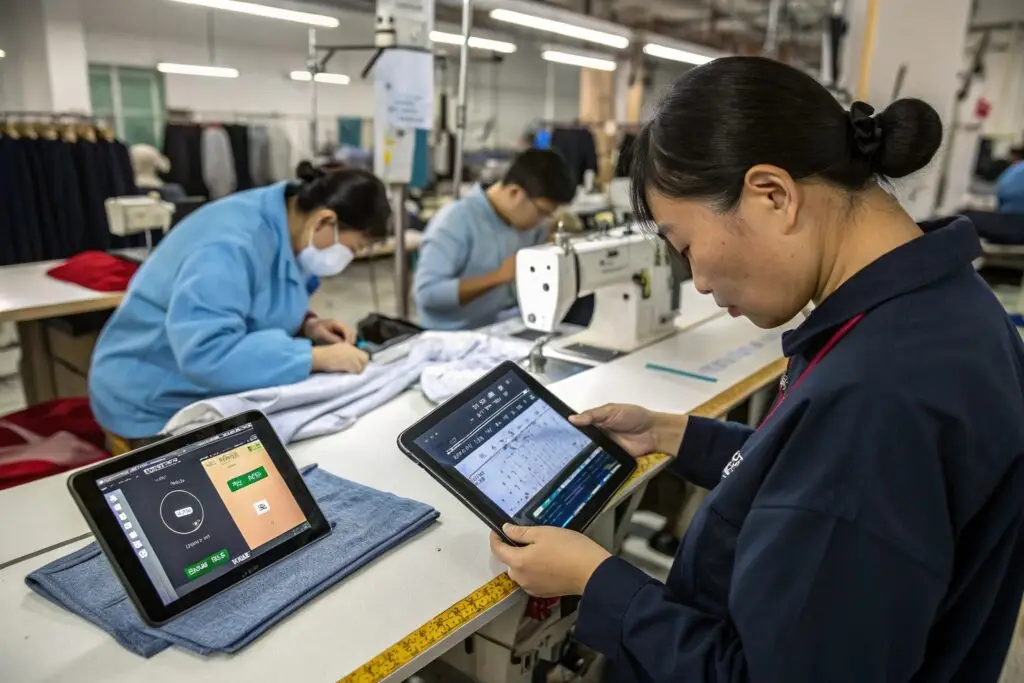
How do agile supply chain7s reduce waste and improve profit margins for fashion brands?
Here’s what an agile supply chain offers:
| Benefit | Result |
|---|---|
| Real-time demand data | Less overproduction |
| Shorter lead times | Quicker market launches |
| Flexible sourcing | Switch materials based on price/availability |
| Faster logistics | Air + sea combo or local warehousing |
One client used to overstock by 30%. After switching to our agile model, they order in 3 batches per season instead of one—and saw fewer markdowns, higher profits.
What digital tools support agile supply chains in today’s fashion ecosystem?
We use:
- Cloud-based production tracking: Brands can check daily status
- Barcode systems: Every batch is trackable by SKU
- Live material inventory syncs: Real-time fabric updates
- Shared order calendars: Align our factory timeline with the brand’s campaign launch
The more visibility brands have, the more control they feel.
What is the agile supply chain of Zara?
Zara changed the fashion world by proving that speed matters more than bulk. They made “fast fashion” truly fast—without losing profit or style.
Zara’s agile supply chain uses in-house design, local manufacturing, short lead times, and tight inventory control to launch new styles every week.

How does Zara launch over 20 new clothing collections every year with such precision?
Zara’s success relies on four agile principles:
- Vertical integration8 – They own key parts of the supply chain.
- Frequent deliveries9 – Stores get new stock twice a week.
- Local production – 60% of clothes are made near HQ in Spain.
- Real-time design – Store feedback shapes next week’s collection.
Their model proves agility is not just for small brands—it scales globally.
What lessons can small or mid-sized brands learn from Zara’s agile fashion system?
Even if you can’t own your supply chain like Zara, you can still:
- Work with responsive factories (like us)
- Shorten design-to-market cycles
- Produce in 2–3 batches per season
- Use data (sales, social media, feedback) to shape what’s next
We help brands do just that—without needing Zara’s size or budget.
Conclusion
Agile fashion is the future—and our 5 production lines are built for it. With flexible systems, specialized teams, and responsive tools, we help brands move faster, adapt smarter, and grow stronger in a fast-changing fashion world.
-
Explore how Agile manufacturing can revolutionize fashion production, enabling brands to adapt quickly to trends and consumer demands. ↩
-
Discover the importance of flexibility in manufacturing for fashion brands, especially for emerging and mid-sized companies. ↩
-
Learn about lower Minimum Order Quantities (MOQs) and how they empower smaller fashion brands to thrive in a competitive market. ↩
-
Learn about the significance of capsule collections in modern fashion and their role in brand strategy. ↩
-
Discover the power of social media feedback in shaping fashion trends and designs effectively. ↩
-
Explore how agile fashion enhances product design and market responsiveness, making brands more competitive. ↩
-
Explore this link to understand how agile supply chains can transform fashion brands by reducing waste and improving efficiency. ↩
-
Understanding vertical integration can help brands optimize their supply chains and improve efficiency. ↩
-
Exploring the impact of frequent deliveries can provide insights into inventory strategies for better sales performance. ↩