Choosing the right clothes for our store feels overwhelming sometimes. There are too many choices, and making the wrong one costs time and money.
To select the right wholesale clothes for our store, we must match customer needs, market trends, and quality standards while managing risks.
When I first opened my store, I picked clothes based only on what I liked. Big mistake. Sales were slow. Only when I started thinking like my customers did I see real growth. Let me show you how.
How to Choose the Right Clothing for Your Market?
Picking clothes just because they look good can hurt our business. We need to match our selections with what our real customers want and expect.
Choosing the right clothing for our market means understanding customer profiles, local climate, buying habits, and spending power.

Why is understanding customer demographics1 essential before choosing wholesale clothing lines?
In my early days, I learned the hard way that a one-size-fits-all strategy never works. Our customers’ age, income, and lifestyle shape what they will buy. Teenagers want different styles than working moms. Buyers in California might love light fabrics year-round, while New Yorkers need layers.
Here’s a simple way to break down the factors:
| Factor | How it Influences Buying |
|---|---|
| Age Group | Style, sizing, fabric choice |
| Gender | Product categories, colors |
| Income Level | Price range, quality expectation |
| Lifestyle | Functionality, trend focus |
Once we know our main customer groups, picking wholesale clothes becomes much easier. We can match styles, sizes, and price points directly to their needs.
How does local climate and seasonality2 impact our wholesale clothing selection3?
Ignoring climate is a fast way to stock products nobody buys. Once, I filled my store with thick coats in September, thinking "winter is coming." Turns out, in my city, winter starts late. Those coats collected dust for months.
Here’s how to adjust:
- Hot regions: Lightweight fabrics, sleeveless tops, casual wear.
- Cold regions: Layered outfits, outerwear, wool blends.
- Rainy areas: Waterproof jackets, boots.
- Seasonal: Plan six months ahead based on delivery and display schedules.
Mapping our local seasons against the supplier’s production calendar helps avoid inventory dead zones.
What to Consider When Buying Wholesale Apparel?
Wholesale buying isn’t just about getting a low price. It is about getting clothes that sell fast, fit well, and build our store’s reputation.
When buying wholesale apparel, we must consider quality, MOQ (minimum order quantity), certifications, and supplier reliability.
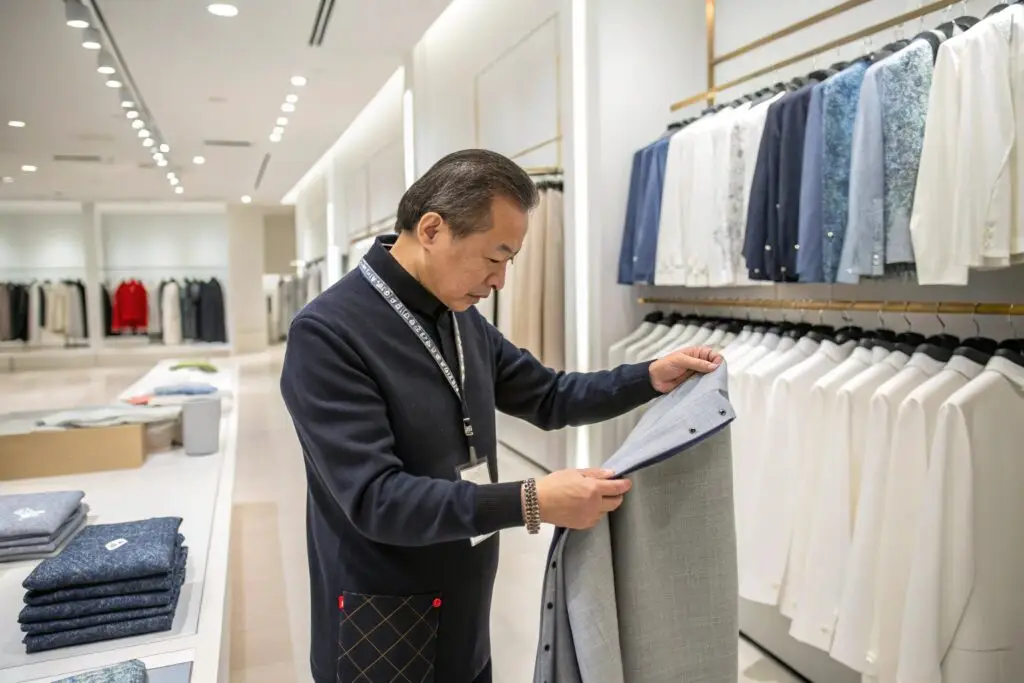
Why does quality control4 matter more than cheap pricing in wholesale clothing buying decisions?
At first, I chased the cheapest options. The results were disastrous—returns, complaints, and lost customers. A cheap shirt that tears after one wash ruins trust faster than anything else.
Key things I check now:
| Quality Check | What to Look For |
|---|---|
| Fabric Feel | Softness, stretch, thickness |
| Stitching | Even, tight seams without loose threads |
| Fit | True-to-size samples |
| Color Fastness | No bleeding after washing |
Good suppliers will even offer quality certificates5 like OEKO-TEX® or GOTS for organic textiles. If not, at least request real video inspections or third-party checks.
How can we spot a reliable wholesale supplier6 before committing to bulk orders?
There are signs that tell us if a supplier is serious. I once made the mistake of trusting big promises without checking proof. I lost $5,000 and learned a painful lesson.
Always verify:
- Business license and factory audit reports.
- Trade references or client testimonials.
- Sample quality consistency over time.
- Transparent communication without vague answers.
- Clear return and refund policies in writing.
Never skip sample testing. Small upfront costs protect us from big losses later.
Top Tips for Selecting Best-Selling Clothing Items.
Selecting best-sellers feels like gambling unless we use real methods to pick winners before investing money.
The best tips for selecting hot clothing items are using trend reports, customer surveys, social media analysis, and testing small batches first.

Why do small test orders7 save us from stocking slow-moving clothes in wholesale business?
When I first found a "cute" design and ordered 500 pieces, it flopped hard. They sat in boxes for months. After that, I changed my system.
Now, I order small batches (50-100 units) and see how fast they sell before reordering. It protects cash flow and keeps inventory fresh.
Small test orders help check:
| Test Area | Benefit |
|---|---|
| Sales Speed | If it sells fast, scale up. |
| Customer Feedback | Adjust future buys based on real reactions. |
| Quality Issues | Spot defects early before big losses. |
It feels slower at first, but it’s safer and smarter in the long run.
Data beats guesswork. I use Google Trends every season to check which colors, cuts, and fabrics are rising. Simple searches like “best summer dresses 2025” show what’s catching attention.
On social media, I track:
- Trending hashtags on Instagram (#streetstyle, #ootd, #fashiontrends)
- Viral TikTok fashion videos
- Celebrity outfit posts
This free research often shows what will sell 3-6 months ahead of time.
If we combine that data with supplier catalogs, it is easier to pick wholesale items that match real-time customer desire.
How to Balance Trends and Timeless Styles?
Selling only trendy items is risky because trends fade fast. Selling only basics feels boring and lowers excitement.
Balancing trends and timeless styles means mixing 60%-70% classic pieces with 30%-40% trend-driven products in every collection.
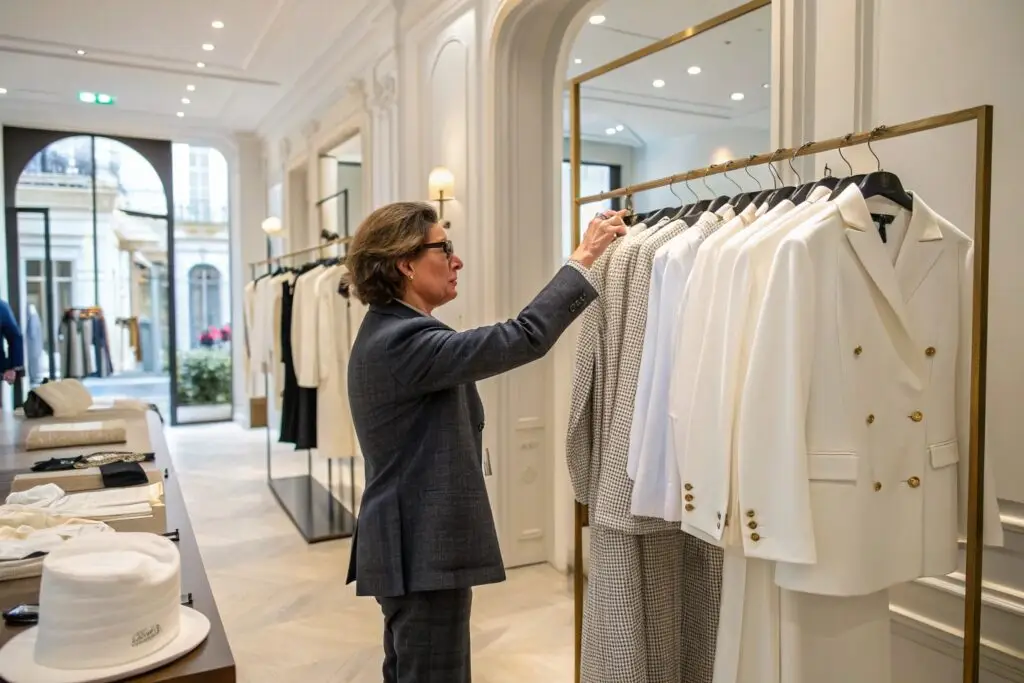
Why should wholesale clothing stores avoid relying only on the latest fashion trends?
Trendy products give quick wins but short shelf lives. I once stocked neon jackets when neon was hot. They sold fast for three months. Then… crickets. I had to discount heavy to clear the leftovers.
Here’s the better split:
| Type | Example | Role |
|---|---|---|
| Timeless Styles10 | Plain T-shirts, denim jackets | Steady year-round sales |
| Trendy Items | Neon tops, balloon sleeves | Short bursts of high sales |
Balancing them keeps cash flow steady and excitement alive without massive risks.
How do we build wholesale clothing collections that stay fresh without constant trend chasing?
Freshness does not mean chasing every hype. It means smart rotation11.
Here’s my simple plan:
- Refresh colors seasonally (pastels for spring, earth tones for fall).
- Rotate accessories (scarves, belts) to lift basics.
- Introduce micro-trends12 (like “cottagecore” or “quiet luxury”) in small batches.
By layering small trend injections onto a core of best-selling basics, our collections stay interesting but stable.
This system helped me grow my store’s revenue without depending on one-hit-wonder products.
Conclusion
Selecting wholesale clothes for our store is not luck. It is about matching our customers’ needs, market conditions, supplier reliability, and smart buying tactics. Follow these steps, and success will come.
-
Exploring this resource will provide insights into how demographics influence purchasing decisions, crucial for selecting the right clothing lines. ↩
-
This link will help you understand the impact of climate on inventory choices, ensuring you stock what sells best in your area. ↩
-
Discovering this information will guide you in making informed decisions about your wholesale clothing inventory, maximizing sales potential. ↩
-
Understanding the significance of quality control can help you make informed decisions and avoid costly mistakes in wholesale clothing. ↩
-
Learning about quality certificates can enhance your understanding of textile quality and sustainability, guiding better purchasing decisions. ↩
-
Identifying a reliable supplier is crucial for successful bulk orders, ensuring quality and trust in your business relationships. ↩
-
Exploring this resource will provide insights into how small test orders can optimize inventory management and cash flow. ↩
-
This link will guide you on leveraging Google Trends for informed decisions in your wholesale clothing strategy. ↩
-
Discover how social media trends can shape your wholesale clothing inventory and align it with customer preferences. ↩
-
Exploring timeless styles can help you understand how to maintain steady sales and avoid the pitfalls of fleeting trends. ↩
-
Learning about smart rotation strategies can enhance your inventory management and keep your offerings fresh without constant trend chasing. ↩
-
Understanding micro-trends can help you introduce small, manageable updates to your collection, keeping it fresh and appealing to customers. ↩