The apparel industry is highly competitive, with companies striving for efficiency, quality, and sustainability. One strategy that has helped leading manufacturers maintain control over their supply chains is vertical integration. Esquel Group, a prominent player in the global textile industry, exemplifies this approach. But what does vertical integration mean in the apparel sector, and how has Esquel leveraged it to its advantage?
What is vertical integration in the apparel industry?
In the apparel industry, vertical integration means that a company controls multiple stages of the production process, from sourcing raw materials to manufacturing and distribution. This approach reduces dependency on third parties, ensuring greater efficiency, cost savings, and consistency in product quality.
Benefits of Vertical Integration in Apparel Manufacturing
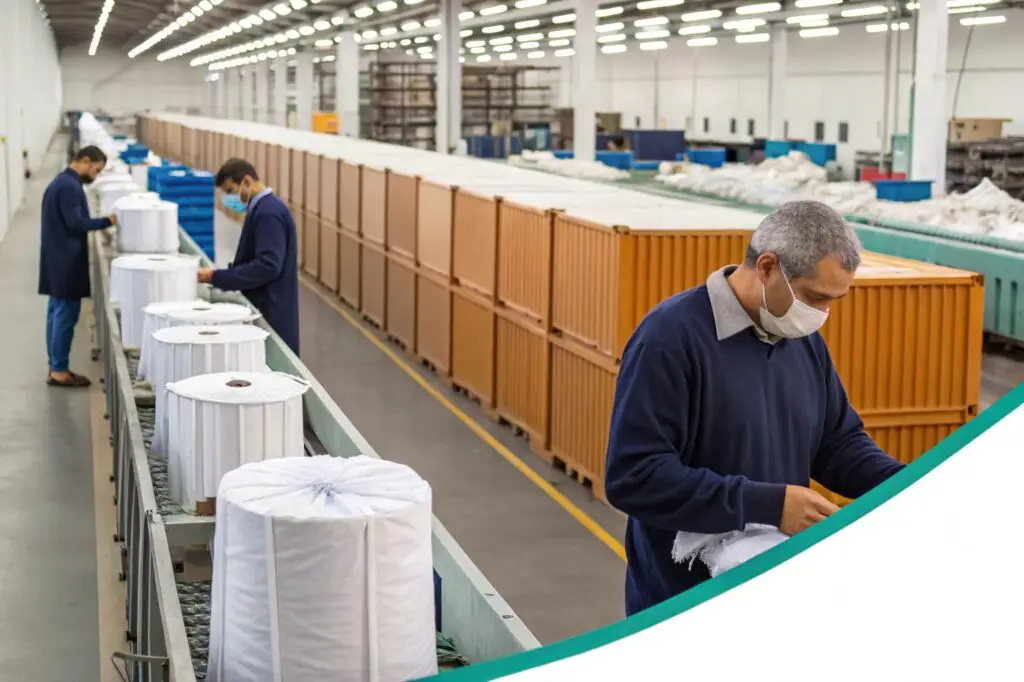
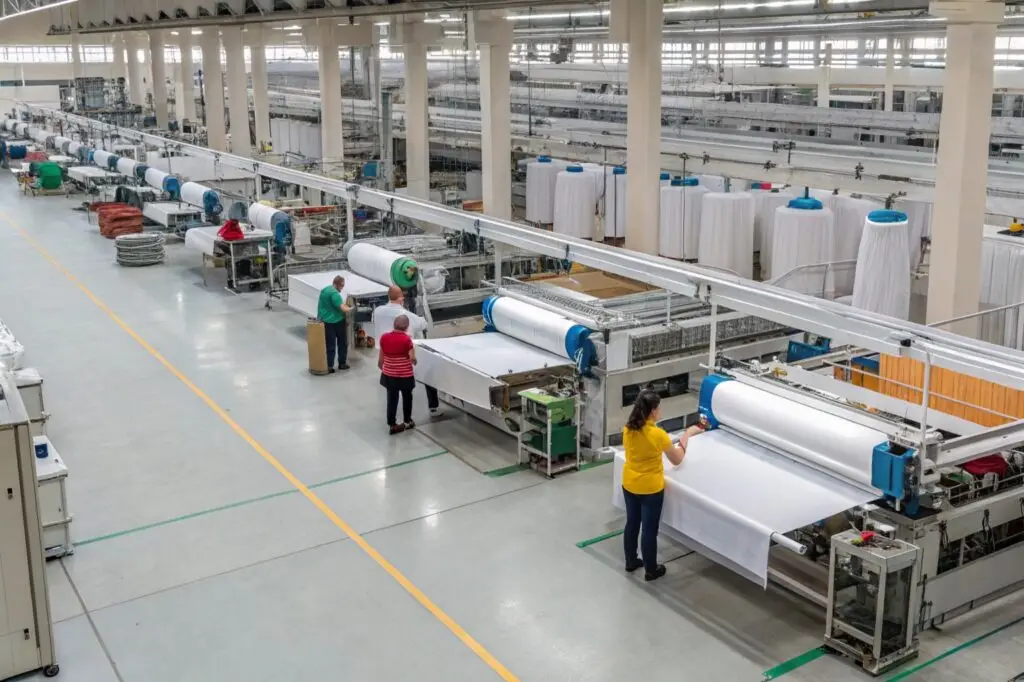
By managing its entire supply chain, a vertically integrated apparel company can maintain strict quality control, improve production speed, and reduce lead times. This model also enables better sustainability practices by ensuring ethical sourcing and environmentally friendly production methods.
How Esquel Group Utilizes Vertical Integration
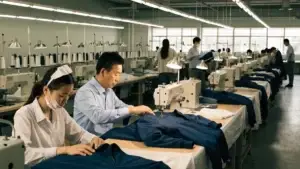
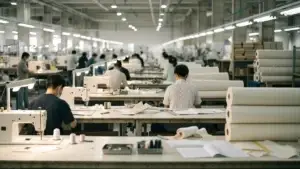
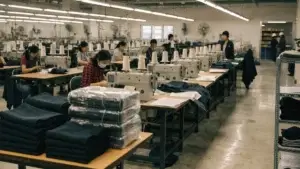
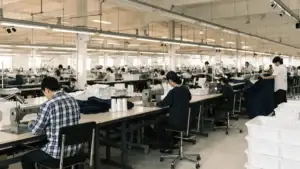
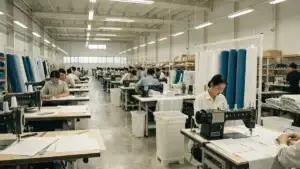
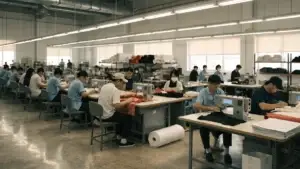
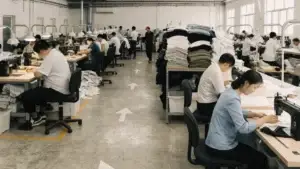
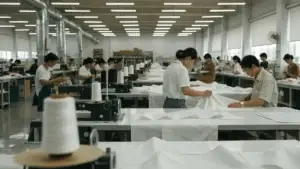
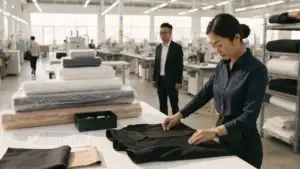
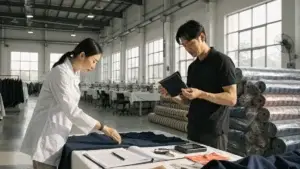
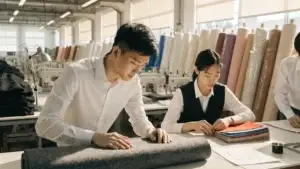
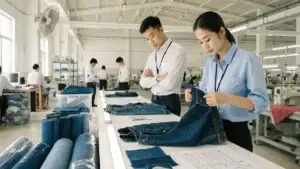
Esquel Group, one of the world's largest shirt manufacturers, fully embodies vertical integration. The company controls everything from cotton farming and spinning to fabric weaving, dyeing, and garment manufacturing. This integration allows Esquel to maintain high-quality standards and innovate in sustainable textile production.
Who owns the Esquel Group?
Esquel Group is a family-owned business, founded by Yuan-Loong “YL” Yang in 1978. Today, it remains under the leadership of the Yang family, with Marjorie Yang as the Chairperson. The company is headquartered in Hong Kong and operates globally, with production facilities across multiple countries.
The Role of Marjorie Yang in Esquel’s Growth
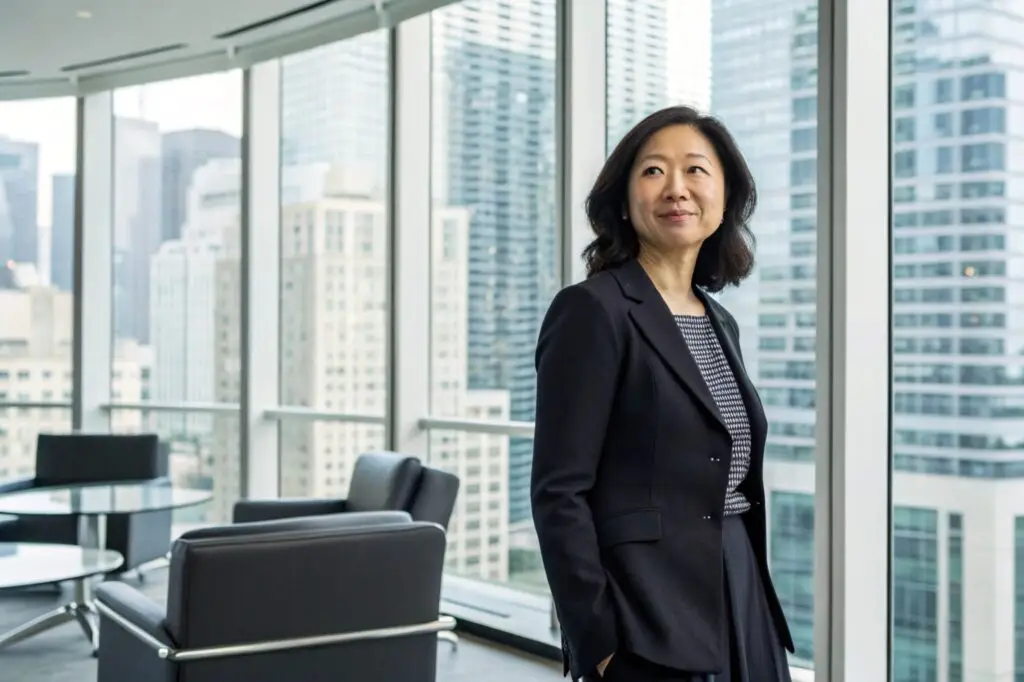
Marjorie Yang has played a significant role in shaping Esquel’s strategic vision, focusing on sustainability, innovation, and corporate social responsibility. Under her leadership, Esquel has invested heavily in eco-friendly manufacturing processes and smart factory technology.
Esquel’s Global Presence and Market Influence
Despite being based in Hong Kong, Esquel has a significant global footprint, supplying high-quality garments to brands worldwide. The company's integrated approach helps it stay competitive in a rapidly evolving industry.
What is a vertically integrated manufacturing company?
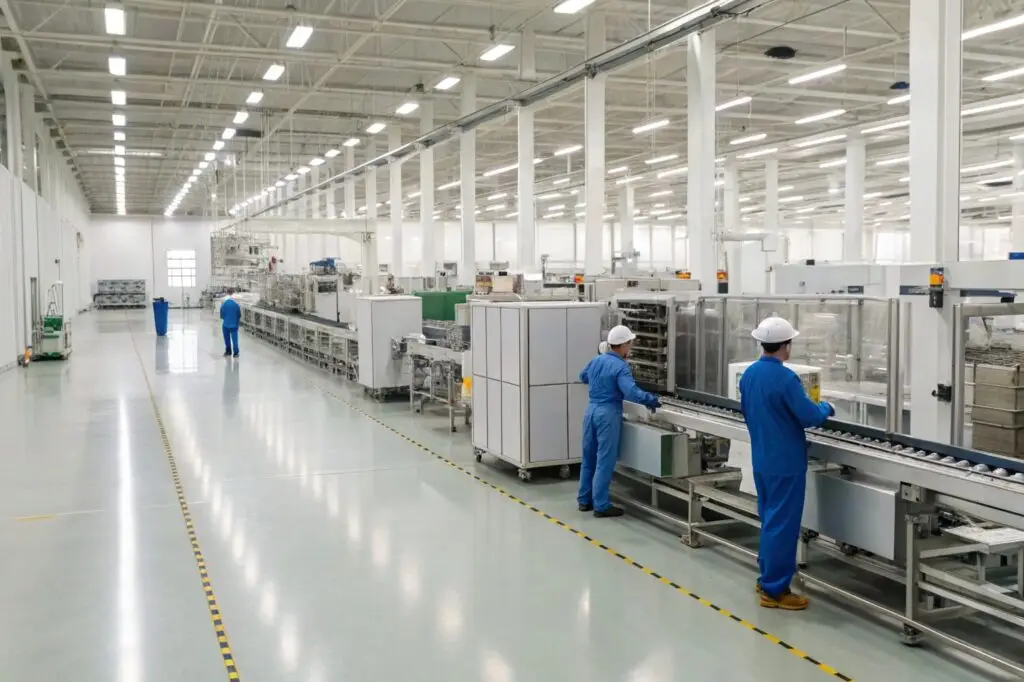
A vertically integrated manufacturing company is one that oversees multiple stages of the production process, from raw material procurement to the final product. This business model minimizes reliance on external suppliers, leading to greater control over costs, quality, and production timelines.
Key Features of a Vertically Integrated Manufacturing Company
| Feature | Benefit |
|---|---|
| Raw Material Control | Ensures consistent supply and quality |
| In-House Production | Reduces dependency on third parties |
| Efficient Logistics | Streamlines distribution and delivery |
| Sustainable Practices | Enables eco-friendly manufacturing |
How Vertical Integration Gives Companies a Competitive Edge
By integrating their supply chains, manufacturers can react quickly to market changes, reduce operational risks, and maintain better control over intellectual property. Esquel’s success demonstrates how vertical integration can drive innovation and efficiency.
What is the history of Esquel Group?
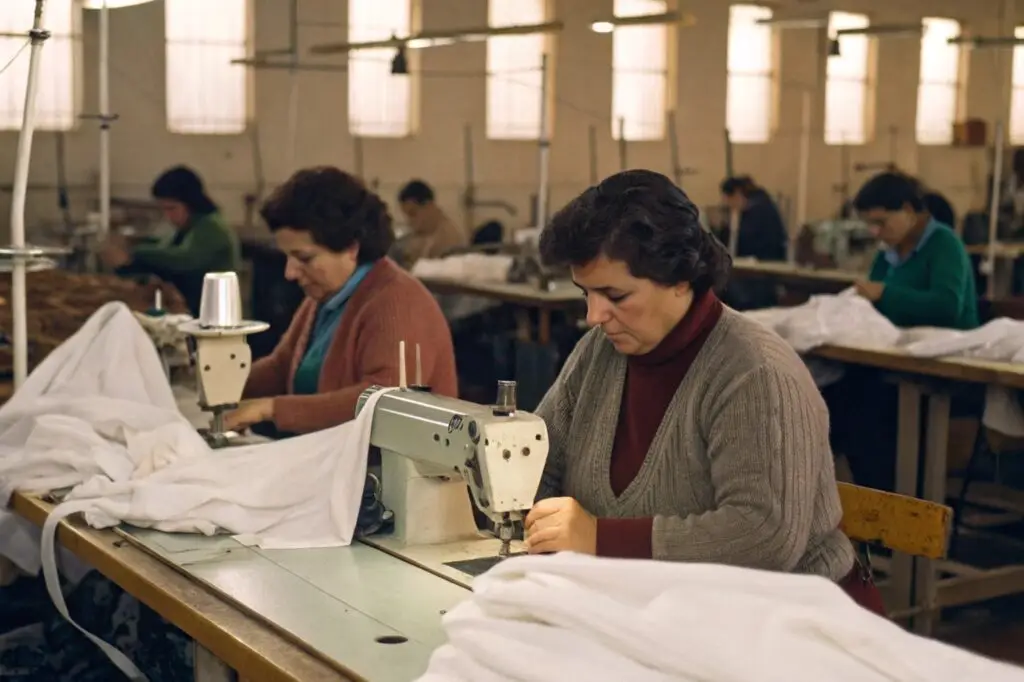
Esquel Group was founded in 1978 with a vision to create high-quality textiles through a fully integrated supply chain. Over the decades, the company has expanded globally, investing in sustainable practices and advanced manufacturing technologies.
Milestones in Esquel’s Development
- 1978: Esquel Group was founded in Hong Kong.
- 1980s: Expanded into China and Southeast Asia, establishing production facilities.
- 1990s: Became a major supplier for global brands, focusing on quality and innovation.
- 2000s: Invested in eco-friendly textile production, launching green initiatives.
- 2010s-Present: Emphasized smart manufacturing and digital transformation.
Esquel’s Commitment to Sustainability
One of Esquel’s standout features is its dedication to environmental responsibility. The company has developed water-saving dyeing techniques, adopted renewable energy sources, and implemented waste-reduction programs to minimize its ecological footprint.
Conclusion
Esquel Group is a prime example of how vertical integration in apparel manufacturing can drive efficiency, sustainability, and innovation. By controlling its entire supply chain, Esquel ensures high-quality standards while maintaining a commitment to environmental and social responsibility. As the industry continues to evolve, companies like Esquel set the benchmark for what a fully integrated, forward-thinking textile manufacturer should be.