Finding the right wholesale clothing supplier is crucial for businesses looking to scale. Whether you run a boutique or a large retail operation, sourcing affordable, high-quality clothing at wholesale prices impacts your profit margins. But where should you look for the best wholesale suppliers?
The best wholesale clothing suppliers offer competitive pricing, quality assurance, and reliable shipping. China, Bangladesh, and Vietnam dominate clothing manufacturing, while the US and Europe have niche suppliers specializing in high-end or sustainable fashion. In this guide, we explore where to find the best wholesale suppliers and what to consider when choosing one.
Sourcing wholesale clothing requires understanding pricing structures, supplier locations, and market trends. Let’s explore the best manufacturing and wholesale hubs globally.
Where is the best place to manufacture clothing?
Clothing manufacturing varies across countries, each offering unique advantages. Which location provides the best balance of cost, quality, and efficiency?
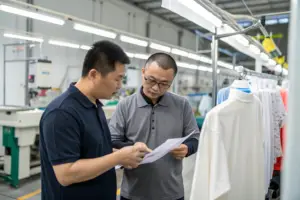
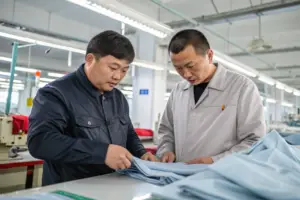
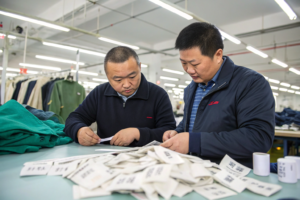
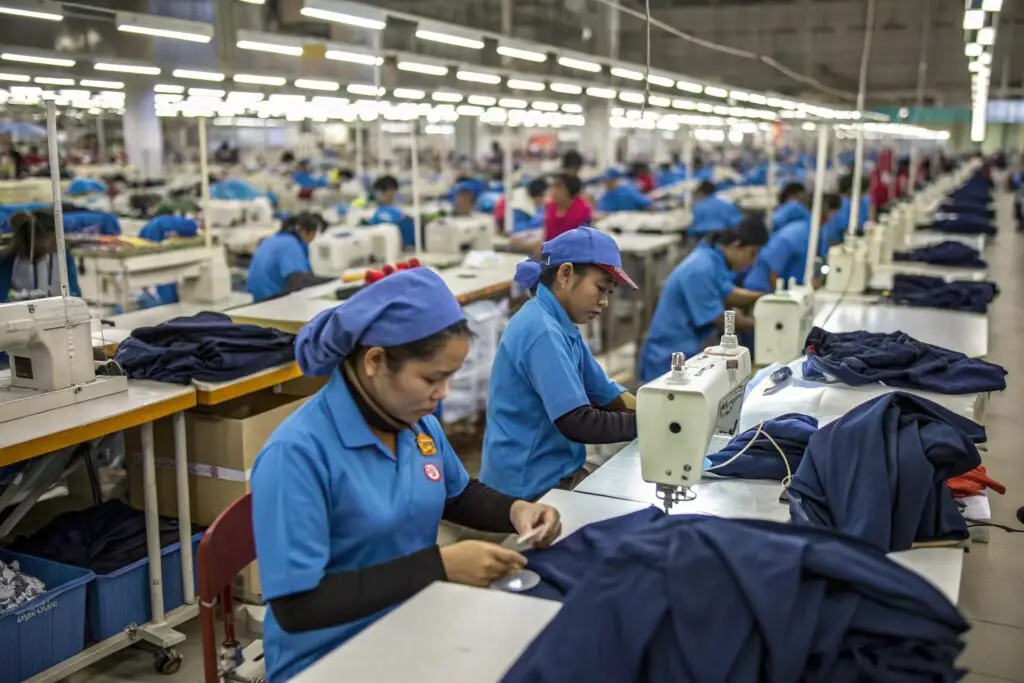
China remains the leading global clothing manufacturer due to its advanced textile industry, scalable production, and cost-effectiveness. Bangladesh, Vietnam, and India follow closely, offering competitive prices and strong manufacturing capabilities.
What are the advantages of manufacturing clothing in China?
China dominates clothing manufacturing due to several key factors:
- Mass Production Capabilities1: Factories handle large-scale orders efficiently.
- Diverse Fabric Choices2: Access to various textiles, from cotton to synthetics.
- Advanced Technology: Automation and modern techniques improve quality and speed.
- Reliable Supply Chain3: Well-established logistics ensure fast global shipping.
China remains the top choice for bulk orders and cost-effective production, but labor costs have risen in recent years.
How do other countries compare in garment manufacturing?
While China leads, other countries offer compelling advantages:
| Country | Strengths | Challenges |
|---|---|---|
| Bangladesh | Low-cost labor, high-volume production | Quality inconsistencies |
| Vietnam | Ethical manufacturing, mid-range pricing | Limited scalability |
| India | Diverse fabrics, skilled workforce | Slower production cycles |
| Turkey | High-quality textiles, EU proximity | Higher costs than Asia |
Choosing the best country depends on your target market, budget, and quality requirements.
Which place is best for wholesale clothes?
Wholesale clothing suppliers exist worldwide, but where can businesses find the best deals and selections?
China, the US, and the UK have extensive wholesale markets catering to different needs. Online platforms like Alibaba, Faire, and Tundra offer easy access to global suppliers. Meanwhile, fashion districts in Los Angeles, Guangzhou, and Istanbul remain hotspots for in-person sourcing.

What are the best cities for wholesale clothing[^4?
Several cities specialize in wholesale clothing4 distribution:
- Guangzhou, China: The largest wholesale clothing4 market in the world, with thousands of suppliers.
- Los Angeles, USA: The Fashion District5 offers a wide variety of wholesale vendors.
- Istanbul, Turkey: A major hub for high-quality European-style clothing.
- Bangkok, Thailand: Known for trendy and affordable fashion wholesale.
- Delhi, India: Specializes in cotton and traditional fabrics.
Each city caters to different fashion niches, from high-end to budget-friendly apparel.
How do online wholesale platforms compare?
E-commerce6 has transformed the wholesale clothing4 industry. Platforms like:
| Platform | Strengths | Ideal For |
|---|---|---|
| Alibaba | Global suppliers, bulk pricing | Large-scale orders |
| Faire | Curated brands, low MOQs | Boutique retailers |
| Tundra | No transaction fees, fast shipping | Small businesses |
| FashionGo | Trend-driven fashion, verified suppliers | Online and physical stores |
Online platforms simplify sourcing, but verifying supplier reliability is essential.
Where do most clothing stores get their clothes?
Retailers rely on wholesale suppliers, private labels, and custom manufacturers. But which sourcing method is the most effective?
Most clothing stores source products from wholesale vendors, factory direct manufacturers, and private-label companies. Fast fashion retailers often work with offshore manufacturers, while boutique stores focus on curated wholesale collections.

What are the main sourcing methods for retailers?
Retailers use multiple approaches to stock their inventory:
- Wholesale Suppliers7: Purchase bulk quantities at lower prices.
- Factory Direct: Work directly with manufacturers for custom designs.
- Private Labeling8: Order white-label products and brand them as their own.
- Dropshipping: Partner with suppliers to ship products directly to customers.
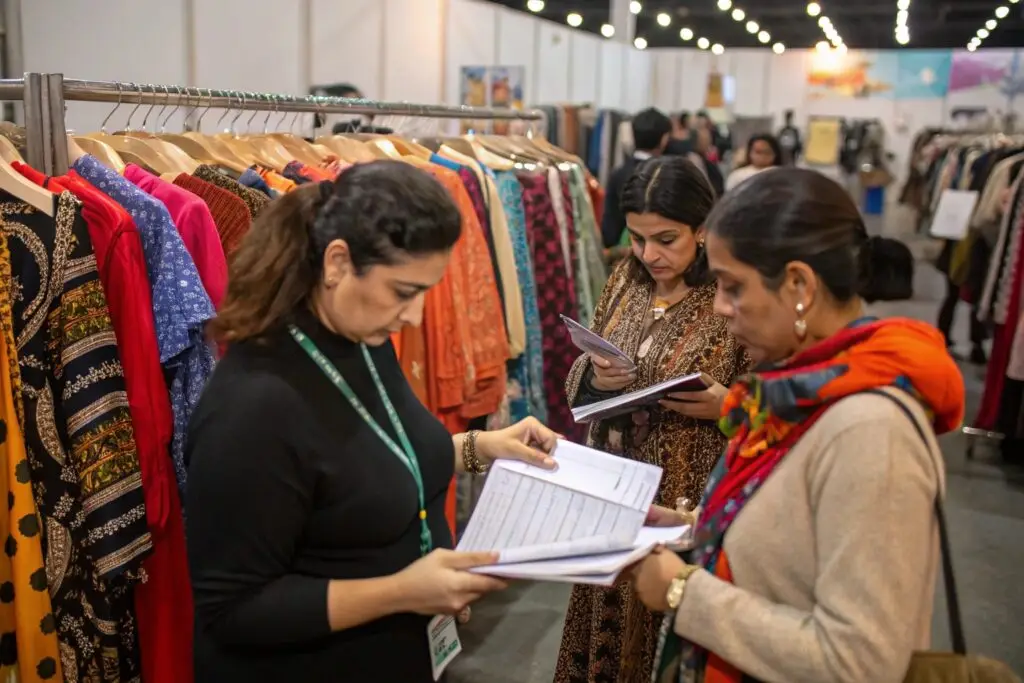
- Trade Shows & Markets: Connect with suppliers in person at industry events.
Each method has pros and cons. Wholesale sourcing is the fastest, but private labeling allows for brand differentiation.
Why do some brands choose custom manufacturing over wholesale?
Custom manufacturing offers control over design and branding. Brands that prefer unique products often opt for:
| Factor | Wholesale Buying | Custom Manufacturing |
|---|---|---|
| Speed | Immediate inventory | Longer lead time |
| Cost | Lower upfront cost | Higher setup cost |
| Branding | Limited customization | Full customization |
| MOQ (Minimum Order Quantity) | Lower | Higher |
Retailers must decide whether they want convenience (wholesale) or exclusivity (custom manufacturing).
Is wholesale cheaper than retail?
Buying wholesale means purchasing in bulk at a lower price per unit. But how much cheaper is it compared to retail?
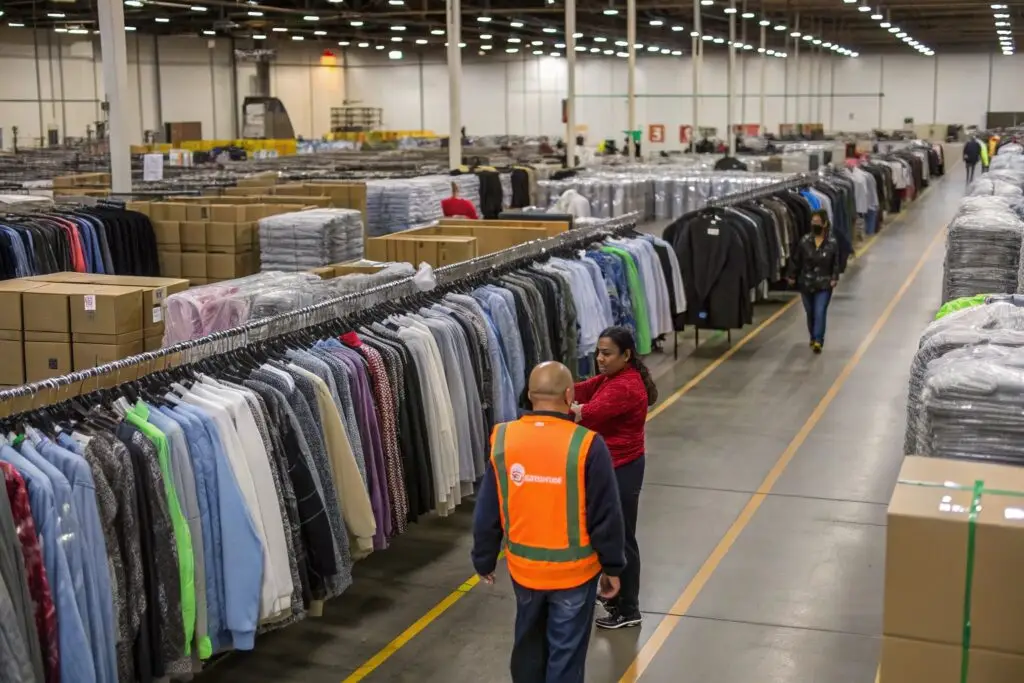
Wholesale prices are significantly lower than retail because they eliminate middlemen and reduce marketing costs. Typically, wholesale buyers pay 30% to 70% less than retail consumers. However, wholesale purchases often require minimum order quantities (MOQs).
How do wholesale and retail prices compare?
Here’s a general pricing breakdown:
| Product | Wholesale Price9 ($) | Retail Price ($) |
|---|---|---|
| Basic T-shirt | 3 – 7 | 15 – 30 |
| Denim Jeans | 10 – 20 | 40 – 80 |
| Sweater | 12 – 25 | 50 – 100 |
| Jacket | 20 – 50 | 80 – 200 |
Retailers mark up prices to cover expenses like rent, labor, and marketing.
What are the key benefits of buying wholesale?
Buying in bulk10 has several advantages:
- Lower Costs: Save money by purchasing directly from suppliers.
- Higher Profit Margins: Sell at retail prices for better revenue.
- Product Availability: Consistent stock ensures smooth business operations.
However, wholesale purchasing requires upfront investment and warehouse storage space.
Conclusion
Finding the best wholesale clothing suppliers depends on factors like cost, location, and sourcing strategy. China remains the top manufacturing hub, but other countries offer unique advantages. Whether buying from wholesale markets or online platforms, businesses must balance affordability, quality, and reliability.
- Understanding mass production capabilities can help you leverage efficiency and cost-effectiveness in your clothing business. ↩
- Exploring diverse fabric choices can enhance your product offerings and meet various consumer preferences. ↩
- A reliable supply chain is crucial for timely delivery and customer satisfaction in the fashion industry. ↩
- Explore this link to discover top resources for finding reliable wholesale clothing suppliers and enhancing your business. ↩ ↩ ↩
- Discover the diverse offerings of the Fashion District in Los Angeles, a key destination for wholesale clothing. ↩
- Learn how e-commerce is reshaping the wholesale clothing landscape and what it means for your business. ↩
- Explore the advantages of wholesale suppliers to understand how they can help retailers save costs and streamline inventory management. ↩
- Learn about private labeling and how it allows retailers to create their own brand identity with unique products. ↩
- Understanding wholesale prices can help you make informed purchasing decisions and maximize profits. ↩
- Discovering the benefits of bulk purchasing can lead to significant cost savings and improved inventory management. ↩