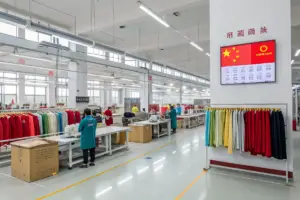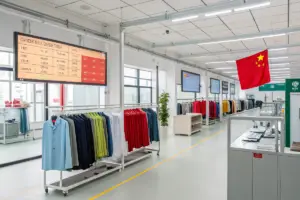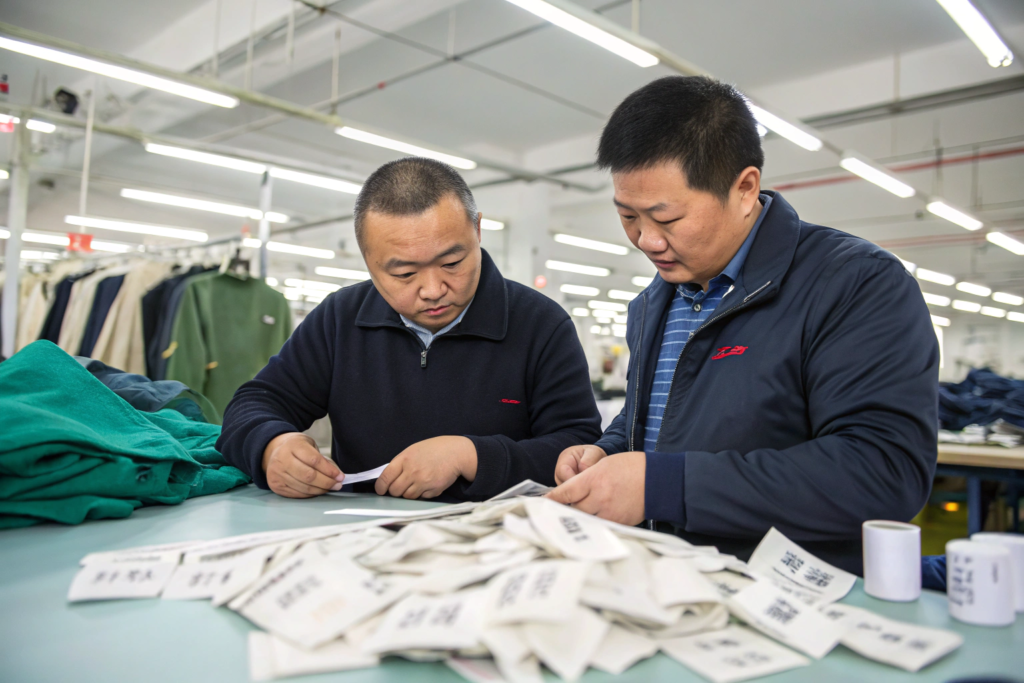
You found a good factory. You picked the fabric. You approved the sample. Then you see the label options. Silicone, woven, printed. Each one looks fine in a photo. But the wrong label can cause returns, delays, and unhappy customers. Many US brand owners ask me this question every week.
The right label depends on your product, price, wash care, brand image, and sales channel. Silicone labels work well for activewear and outdoor gear. Woven labels give a premium feel for denim, jackets, and sweaters. Printed labels are fast and cost effective for tees, kids’ wear, and basics. For most brands, the best answer is a mix. At Shanghai Fumao, we help brands test label options before mass production.
Let’s break down the differences. I will share what I see on our 5 production lines and in our export work for North America and Europe. I will also show you how to avoid common label mistakes.
Silicone vs Woven vs Printed: Key Differences?
You may think labels are a small detail. But labels touch the skin. They carry your brand name. They also carry care instructions. A bad label can make a good garment feel cheap. A good label can make a simple tee feel premium.
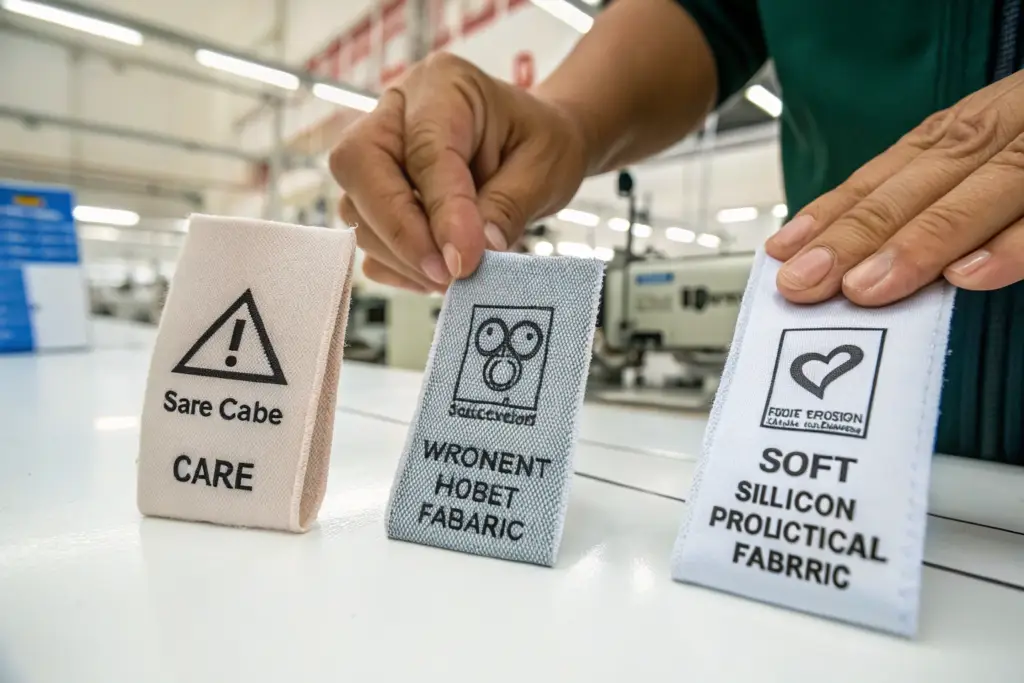
Silicone labels are soft, raised, and often used for sportswear and outdoor brands. Woven labels are fabric-based, durable, and premium. Printed labels are ink-based, lightweight, and low cost. The best choice depends on where the label sits, how the garment is washed, and what your customer expects.
I tell US buyers to think about three things. First, skin contact. Second, wash cycles. Third, brand positioning. A yoga brand may love silicone. A denim brand may love woven. A kids’ brand may love printed. There is no single winner.
What Are Silicone Labels Best For?
Silicone labels are best for activewear, swimwear, and outdoor gear. They feel soft. They do not scratch. They can handle sweat and repeated washing. Many US sportswear brands use them on neck labels and hem labels. I worked with a Los Angeles activewear brand last year. Their old silicone label curled after hot yoga washes. We changed the silicone hardness and used laser cutting. Their return rate dropped by 18%. At Shanghai Fumao, we test silicone labels with real wash cycles before bulk production. You can also check material safety with OEKO-TEX and fiber sourcing guidance from Textile Exchange.
When Should You Choose Woven Labels?
Woven labels are best for denim, jackets, sweaters, and premium basics. They have a fabric feel. They look rich. They last a long time. A US denim brand came to us in early 2024. Their woven neck label felt too stiff. Customers complained about itching. We switched to finer yarn and heat-cut edges. Their repeat purchase rate rose by 22%. Woven labels also work well for hang tags and side seams. For US labeling rules, review the FTC apparel labeling guide and CPSC clothing business education.
Which Clothing Label Lasts Longest in the Wash?
Every brand owner worries about wash care. A label that fades, cracks, or falls off can create complaints. It can also create legal risk if care information is missing. US buyers often ask me which label lasts longest. The answer is not simple.
Woven labels usually last longest in the wash. Silicone labels also last well if the material and adhesive are correct. Printed labels can last well too, but they depend on ink, heat transfer, and fabric type. The label position matters as much as the label type. A neck label rubs against skin. A side seam label rubs against the body. A hem label rubs against pants.
We run simple wash tests at Shanghai Fumao. We wash 10 pieces with each label type. We check color, edges, softness, and peeling. This small test saves big money later.
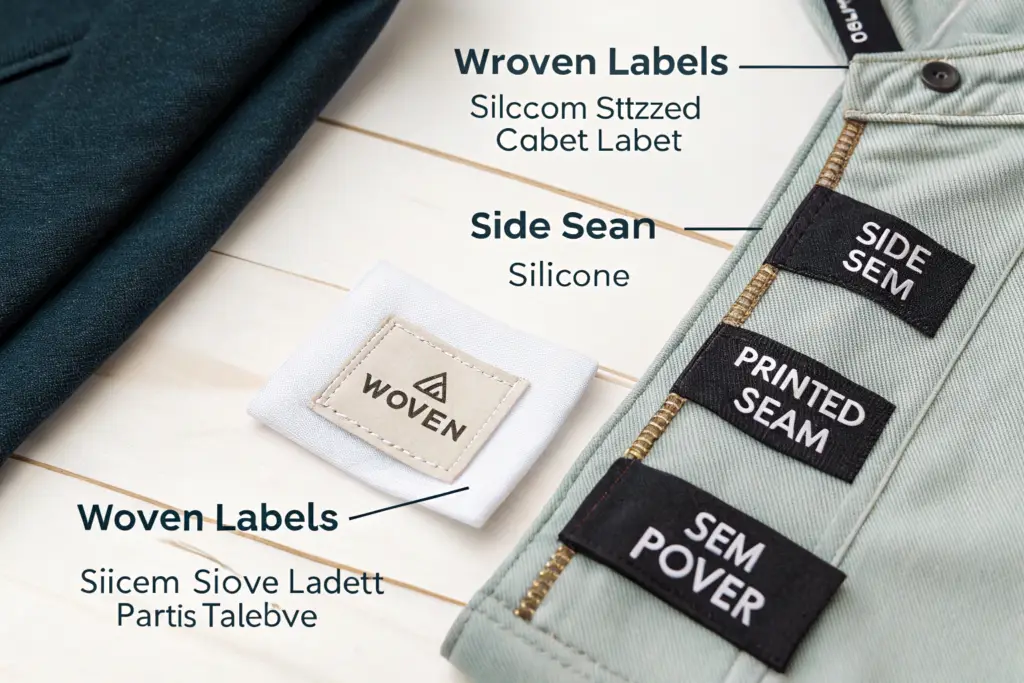
How Do Wash Tests Compare Label Types?
In our tests, woven labels hold color well after 30 home washes. Silicone labels keep their shape when the silicone is soft and the edges are clean. Printed labels can fade faster on dark fabrics. They can also crack if the ink is cheap. We follow quality management ideas from ISO 9001. We also use third-party lab checks through SGS softlines services. A label test report helps US buyers feel safe. It also helps your sales team answer buyer questions fast.
What Causes Labels to Fade or Scratch?
Fading comes from poor ink, high heat, or harsh detergent. Scratching comes from hard edges, stiff yarn, or wrong placement. A kids’ brand from the Midwest had printed labels that faded after five washes. We moved to soft-touch printing and low-migration ink. Customer complaints dropped by 35%. We also tested with Intertek softlines and Bureau Veritas consumer products. Small changes can fix big problems.
How Do Labels Affect Brand Quality and Cost?
Labels affect cost more than many owners think. A cheap label can save a few cents. But it can also cause returns, chargebacks, and lost repeat buyers. A good label can raise perceived value. It can make a $20 tee feel like a $40 tee.
Label cost depends on material, size, color count, order quantity, and finishing. Silicone labels often cost more per piece. Woven labels sit in the middle. Printed labels are usually the lowest cost. But the full cost includes sewing time, waste, rework, and shipping.
I ask every buyer one question. What is your return rate? If returns are high, do not chase the cheapest label. Fix the label first.
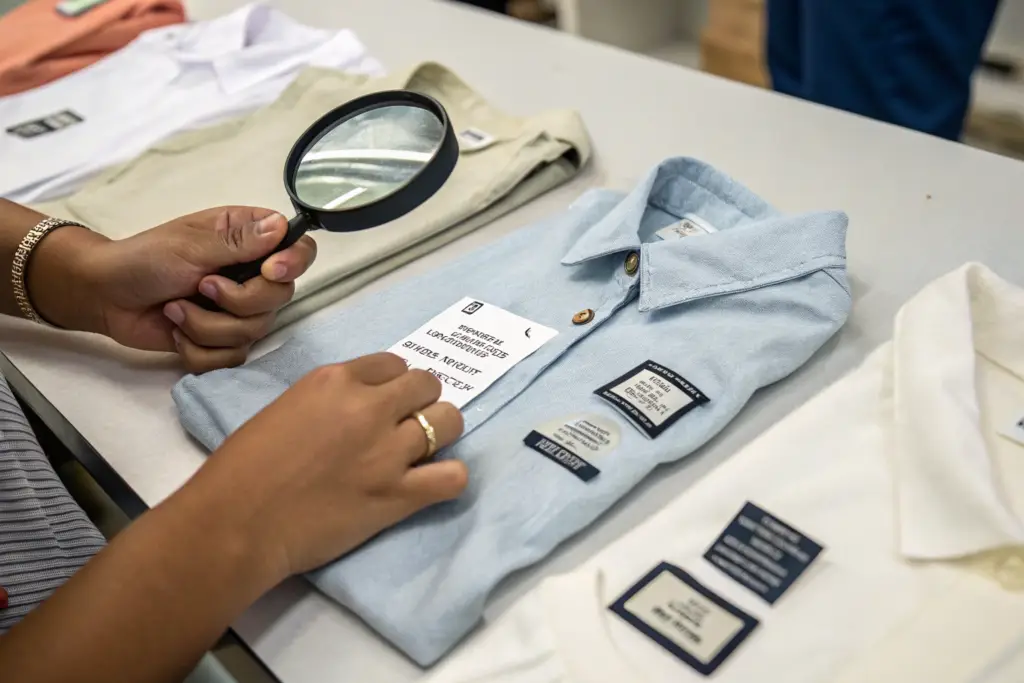
What Is the Real Cost Per 1,000 Labels?
For simple printed labels, the unit cost can be very low at high volume. Woven labels cost more because they are woven, cut, and folded. Silicone labels cost more because of mold and material. But the real cost includes labor and delay. A wrong label can stop a shipment. It can miss a selling season. We use sustainable sourcing ideas from WRAP and Higg to reduce waste. At Shanghai Fumao, we quote label options with clear unit prices and lead times.
Can Cheap Labels Hurt Your Return Rate?
Yes. Cheap labels can hurt returns. They can itch, fade, or fall off. They can also carry wrong care symbols. A US buyer may reject the whole lot. I saw a shipment delayed by two weeks because the care label did not match the fiber content. We fixed it with a new printed label and a full audit. The brand saved its launch. Industry groups like the Apparel Coalition and US Fashion Industry Association track these risks. Good labels are not a cost. They are insurance.
What Label Certifications Do US Buyers Need?
Certifications can make or break a US order. Buyers need proof. They need traceability. They need to know the label is safe and legal. Some suppliers fake certificates. That is a real problem. I have seen it in our industry. So we changed our process.
US buyers often need fiber content, country of origin, care instructions, and safety compliance. Certifications may include OEKO-TEX, ISO 9001, and lab test reports. The exact needs depend on the product, age group, and state rules. Always check the latest rules before you print.
I tell brands to ask for the certificate number. Then verify it on the issuer’s website. Do not accept a PDF only.
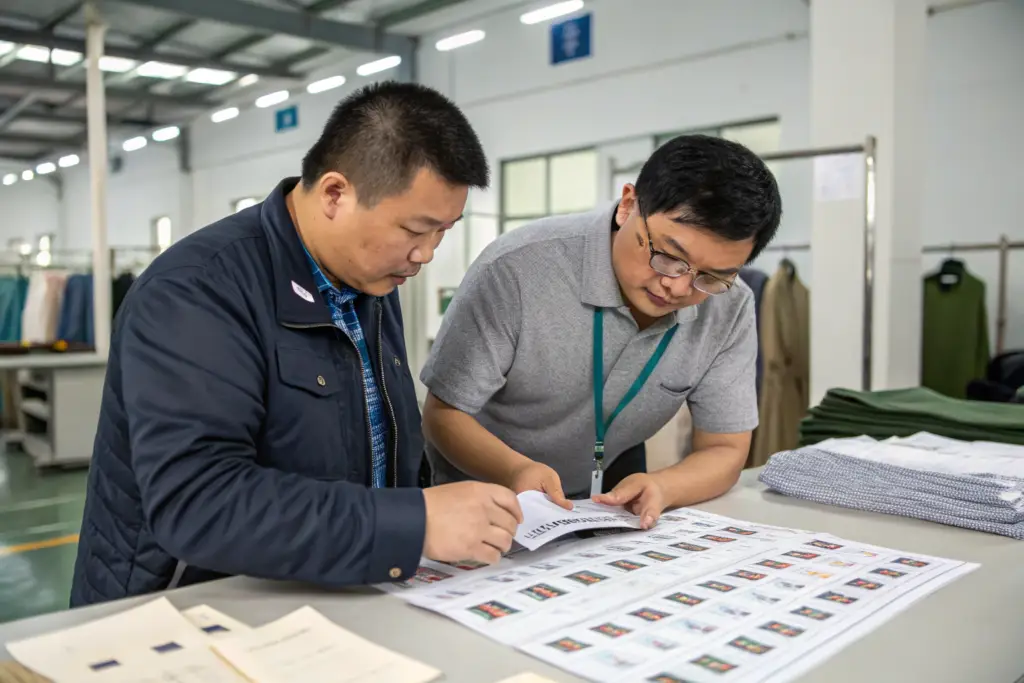
Which Certificates Matter for US Customs?
US Customs cares about country of origin and fiber content. The label must match the import documents. Wrong labels can cause delays, fines, or seizures. Review US Customs import basics and the Textile Fiber Products Identification Act. For kids’ wear, extra safety rules may apply. We help buyers prepare label files before production. This step avoids costly fixes later.
How Can You Verify Supplier Certificates?
Ask for the certificate number, scope, and expiry date. Then check the issuer’s database. Ask for the test report from the actual factory. Do not accept a report from a different site. Read industry news from Just Style and Textile World to track rule changes. At Shanghai Fumao, we share real test reports and let buyers audit our 5 production lines. Clear proof builds trust.
Conclusion
Labels are small, but they carry big risk. Silicone labels are great for activewear and soft feel. Woven labels are great for premium denim, jackets, and sweaters. Printed labels are great for tees, kids’ wear, and cost control. The best choice comes from your product, your customer, and your wash care. I always tell US brands to test before bulk. Run a small wash trial. Check certifications. Compare the full cost, not just the unit price. At Shanghai Fumao, we design, develop, and manufacture apparel for US brands. We handle labels, hang tags, packaging, quality control, and DDP shipping. If you want to produce your own clothing order, please contact our Business Director Elaine. Her email is elaine@fumaoclothing.com. Let us help you bring your apparel vision to market.