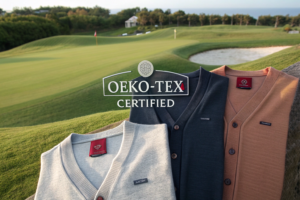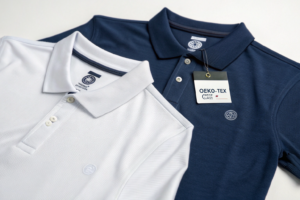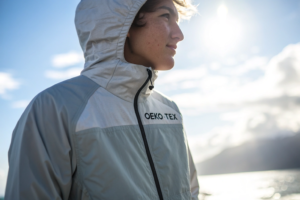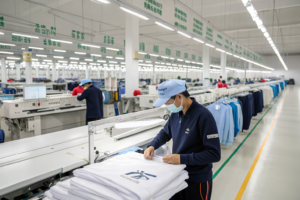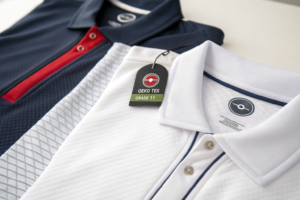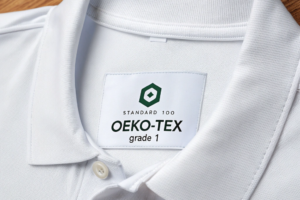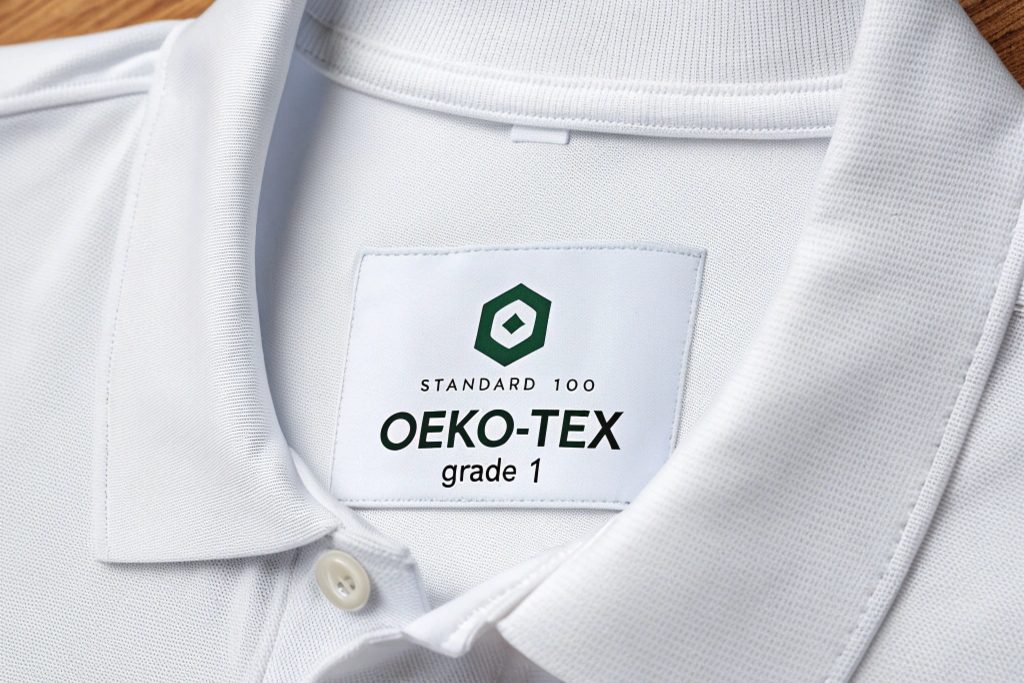
For apparel brands sourcing from global manufacturers, product safety certification can feel like a complex maze. You know it's important, but the technical jargon and varying standards can be confusing. A common question we hear from our American brand partners is, "Which certifications are truly non-negotiable for quality and consumer trust?" If you're sourcing golf apparel or activewear, the answer is straightforward: OEKO-TEX Standard 100, specifically with a Class 1 rating, is fundamental. This standard isn't just a marketing sticker; it's a rigorous chemical safety benchmark that directly impacts your brand reputation and customer loyalty. Why is it so crucial for the golf apparel sector? Let's explore.
OEKO-TEX Grade 1 is the strictest certification for textile product safety under the OEKO-TEX Standard 100, verifying that a fabric or garment is free from harmful substances and safe even for a baby's sensitive skin. For golf apparel, it’s vital because players wear these clothes for hours in various conditions, demanding absolute skin safety, breathability, and durability. It assures brands and consumers that the garments are free from allergens, pesticides, and other harmful chemicals.
Many brands prioritize certifications like GRS or specific performance tests, but overlook the foundational layer of chemical safety. A leading sportswear brand we collaborated with in 2022 learned this the hard way. They sourced high-performance fabrics that passed basic quality checks, but after a few rounds of golf on a hot day, some wearers with sensitive skin reported mild irritation. The issue was traced back to residual processing chemicals. This experience underscores why starting with the strictest safety standard is not an extra cost, but a core part of risk management. In this post, we'll break down OEKO-TEX Class 1 and explain why it should be a non-negotiable requirement in your golf apparel manufacturing checklist.
What Is OEKO-TEX Standard 100 Class 1 Certification?
When you hear "OEKO-TEX certified," you might think it's a single, uniform standard. However, the OEKO-TEX Standard 100 is actually divided into four product classes, with Class 1 being the most rigorous. Think of it as a multi-level safety system. Class 1 is reserved for textiles and fabrics for babies and toddlers up to 36 months. The permitted limits for harmful substances are set at their strictest levels here. For example, the allowable formaldehyde content in Class 1 is significantly lower than in classes for adult clothing. This makes sense, as a baby's skin is far more sensitive and permeable.
So, why would this apply to golf apparel? The answer lies in the principle of the highest safety standard. If a fabric is deemed safe for a newborn, it is inherently safe for anyone, regardless of age or skin sensitivity. For brands, specifying OEKO-TEX Class 1 for your golf line is a powerful commitment to consumer safety that transcends basic compliance. It tells your customers that you care about their well-being at the most fundamental level, using the safest possible materials. This level of certification is particularly important when sourcing from regions with varying environmental regulations. It provides a consistent, globally recognized benchmark that suppliers must meet, reducing your risk.

How Does OEKO-TEX Class 1 Testing Differ from Other Classes?
The testing for OEKO-TEX Standard 100 is comprehensive, covering over 100 regulated and non-regulated substances. The key difference between Class 1 and other classes (like Class 2 for direct skin contact or Class 4 for home textiles) is the strictness of the limit values. Let's look at a practical comparison. A common substance tested is pH value, which affects skin friendliness. While Class 2 allows a pH range of 4.0 to 7.5, Class 1 requires a tighter, more skin-neutral range. Similarly, for heavy metals like lead or cadmium, the acceptable limits in Class 1 are often 50-90% lower than those for adult apparel classes.
| Substance Category | OEKO-TEX Class 1 (Babywear) | OEKO-TEX Class 2 (Adult Direct Skin) | Why It Matters for Golf |
|---|---|---|---|
| Formaldehyde (mg/kg) | 16 (strictest) | 75 | Prevents skin irritation during prolonged wear in the sun. |
| pH Value | 4.0 - 7.5 (strict range) | 4.0 - 7.5 (wider tolerance) | Maintains skin's natural acid mantle, crucial for comfort. |
| Heavy Metals (e.g., Cadmium) | Near-zero limits | Higher allowed limits | Eliminates long-term exposure risks from sweat interaction. |
The testing process itself is audit-based and involves submitting fabric samples to an independent OEKO-TEX institute. At Shanghai Fumao, we build this into our development timeline. Last spring, for a client launching a premium golf polo line, we factored in an extra 3-4 weeks specifically for certification procurement. This proactive planning prevented a last-minute scramble and ensured their launch was not delayed. It's a step many factories skip to save time, but it's a cornerstone of our quality assurance process.
What Specific Substances Does Class 1 Certification Prohibit?
OEKO-TEX Class 1 certification targets a broad spectrum of harmful substances. The list is extensive, but key categories include: regulated substances like certain azo dyes, formaldehyde, and pentachlorophenol; and non-regulated but potentially harmful chemicals like allergenic dyes, pesticide residues, and chlorinated phenols. For golf apparel, which often uses moisture-wicking treatments and UV protection finishes, the certification also scrutinizes the chemicals used in these functional applications.
For instance, many durable water repellent (DWR) finishes historically used PFCs, which are now heavily restricted. A Class 1 certified fabric would require the use of modern, eco-friendly alternatives. We encountered this when developing a line of performance outerwear for a golf brand. They wanted waterproof yet breathable jackets. By insisting on OEKO-TEX Class 1 from the start, we guided them toward newer PFC-free technologies that met the safety standard without compromising performance. This not only future-proofed their product but also aligned with their brand's sustainability story. The certification acts as a reliable filter, ensuring that all components, from the base fabric to the threads and prints, are safe. This holistic approach is why leading brands trust certified supply chains.
Why Is Skin Safety Crucial in Technical Golf Apparel?
Golf is not a passive sport. Players spend four to five hours walking, swinging, and often sweating under the sun. Modern technical golf apparel is designed to manage this: it wicks moisture, offers UV protection, and provides stretch. However, these advanced functionalities are achieved through chemical treatments and fabric blends. If not rigorously tested, residual chemicals can leach out when mixed with sweat and body heat, leading to skin irritation, allergies, or discomfort. For a brand, a single complaint about a "rash from your premium polo" can damage reputation far more than a comment about a loose thread.
The core reason skin safety is paramount is the prolonged and intimate contact of the garment with the skin under dynamic conditions. Unlike a fashion jacket worn briefly, a golf shirt is in constant friction with the skin for hours. OEKO-TEX Class 1 certification provides an objective, scientific guarantee that the fabric will not cause harm, even under these demanding conditions. This assurance is invaluable. A client from Florida once shared that after switching to our OEKO-TEX Class 1 manufactured polos, they received positive feedback from customers with eczema, who reported no irritation. This opened up a new, loyal customer segment they hadn't previously targeted.

How Do Sweat and Sun Affect Non-Certified Fabrics?
Sweat is slightly acidic and can act as a solvent. When combined with body heat and UV radiation from prolonged sun exposure, it can accelerate the breakdown of fabric finishes and cause untreated or poorly processed fabrics to release substances. These might include leftover dye molecules, processing softeners, or catalysts from chemical treatments. In non-certified fabrics, the levels of these substances might be within a factory's "general standards" but not safe for prolonged, sweaty skin contact.
We conducted a small internal test two years ago. We took two identical-looking polyester pique fabrics—one with a basic finish and one with an OEKO-TEX Class 1 certified finish—and simulated sweat and UV exposure. The non-certified fabric showed a noticeable shift in pH after several cycles, becoming more alkaline, which can disrupt the skin's natural barrier. The certified fabric remained stable. This is why product development for technical wear must go beyond aesthetics and hand feel. It requires a deep understanding of textile chemistry, which is integral to our service at Shanghai Fumao. We don't just source fabric; we validate its safety under real-world use conditions that mimic a golfer's experience.
What Are the Long-Term Brand Risks of Ignoring Fabric Safety?
Ignoring certified fabric safety is a significant business risk. The risks are multi-layered: 1. Customer Trust Erosion: A single product safety scandal can lead to recalls, devastating social media backlash, and long-term brand damage. 2. Regulatory Hurdles: Markets like the EU are continually tightening regulations on chemicals in textiles (e.g., REACH). OEKO-TEX certification helps ensure pre-compliance with such international trade regulations, smoothing your import process. 3. Supply Chain Instability: Working with factories that don't prioritize certified materials often leads to inconsistent quality. One batch might be fine, the next might cause issues, leading to rejected shipments and missed seasons—a key pain point for buyers like you.
Investing in OEKO-TEX Class 1 from the start is a risk mitigation strategy. It aligns your brand with the highest standard, which can be a unique selling proposition. In your marketing, you can confidently claim your apparel is "skin-safe certified to babywear standards." This isn't just a detail; it's a powerful message in today's health-conscious market. Our partners find that this certification supports a higher price point because the value—peace of mind—is clearly communicated and scientifically backed.
How to Verify OEKO-TEX Certification with Your Supplier?
Asking for an OEKO-TEX certificate is the first step, but verification is where many brands get tripped up. A supplier might show you a certificate, but it could be expired, for a different product class, or even falsified—a pain point you've directly mentioned. Genuine verification requires a careful, detail-oriented approach. You must treat the certificate like a legal document and check its specifics against your order.
To truly verify OEKO-TEX certification, you must obtain the original test report or certificate with a unique number from your supplier and then cross-check it in the official OEKO-TEX database. This confirms the certification is active, covers the exact material you're purchasing, and is issued to your supplier or their nominated mill. Never accept a generic statement or a photocopied certificate without a verifiable number. In our experience at Shanghai Fumao, transparency at this stage builds lasting partnerships. We provide our clients with direct access to our certification details and even facilitate calls with our fabric mill partners.

What Key Details Must You Check on the Certificate?
A valid OEKO-TEX Standard 100 certificate contains several critical pieces of information. Here is a checklist for your next supplier meeting:
- Certificate Number & Validity: Every certificate has a unique ID (e.g., 12345.01.123456) and is valid for one year. Check the issue and expiry dates.
- Certified Company: Ensure the company name on the certificate matches your supplier or their subcontractor. If it's the mill's certificate, confirm your supplier has official authorization to use that fabric.
- Product Class: This is the most crucial detail. It must clearly state "Product Class I."
- Article Description: This should describe the exact fabric type (e.g., "100% Polyester Pique Knit, Dyed") that matches your sourced material.
- Testing Institute Logo: Look for the logo of the independent institute (like Hohenstein or TESTEX) that performed the test.
- Applicant: This is the entity that applied for the test.
We advise our clients to make this verification a contractual requirement. In 2023, a new brand partner came to us after a bad experience where a previous supplier's certificate was for a "Class 2" fabric but was sold as "skin-safe" for all applications. We sat with them in our showroom, pulled up our OEKO-TEX certificates for our standard golf shirting fabrics, and walked them through each line item. This hands-on, educational approach turned a point of past frustration into a foundation of trust.
What Are the Red Flags of a Falsified or Misleading Certificate?
Being aware of red flags can save you from costly mistakes. Major warning signs include:
- Blurry or Edited PDFs: Always ask for the original scanned certificate. A pixelated or oddly formatted document may be altered.
- Vague Product Description: If the description is overly generic like "polyester fabric" without specifics, it may not cover the exact dye lot or finish you're buying.
- "Pending" or "Applied For" Status: Certification is a pass/fail result. There is no "pending" status for a current order. Suppliers must have the certificate before production.
- Supplier Hesitation: If a supplier is reluctant to provide the certificate number or direct you to the OEKO-TEX database, consider it a major red flag.
- Certificate Mismatch: The company name or address on the certificate doesn't match your supplier's, and they cannot provide a legitimate subcontracting agreement.
Trust is built on verification. Our policy is to integrate certification details into our order documentation pack. This practice, part of our full-package manufacturing service, eliminates guesswork and ensures you have all the audit trails needed for your own compliance. It’s how we solve the pain point of inefficient communication—by providing clear, verifiable data upfront.
Can OEKO-TEX Class 1 Certification Improve Your Golf Apparel Sales?
Beyond compliance and risk management, OEKO-TEX Class 1 certification is a potent sales and marketing tool. In a crowded market, golf consumers are becoming more discerning. They are not just buying a shirt; they are buying into a brand's values—health, performance, and responsibility. Certification provides a tangible, third-party validation of those values. It moves the conversation from subjective claims ("our fabric is soft") to objective, trusted proof ("our fabric is certified safe for the most sensitive skin").
Absolutely, OEKO-TEX Class 1 certification can directly improve sales by enhancing brand credibility, justifying a premium price point, and differentiating your products in a competitive marketplace. It provides a clear, science-backed story that resonates with retailers and end-consumers who are increasingly concerned about what is in their clothing. Marketing this certification effectively can tap into the growing demand for transparency. You can feature the OEKO-TEX label on your hangtags, discuss it in your product descriptions, and use it in content marketing to educate your audience.

How to Market OEKO-TEX Certification to End-Consumers?
The key is to translate the technical achievement into a consumer benefit. Don't just say "OEKO-TEX Class 1 Certified." Instead, frame it around their experience: "Skin-Safe Comfort, Certified." Use phrases like: "Wear with confidence. Our polos are certified free from harmful substances, even safe for a baby's skin, so you can focus on your game, not your comfort." Incorporate this messaging across channels:
- E-commerce Product Pages: Include a dedicated section on "Fabric & Safety" with the OEKO-TEX logo and a simple explanation.
- Hangtags & Labels: The standard OEKO-TEX label is recognized globally. Use it.
- Social Media & Content: Create short videos or infographics explaining what the certification means for a golfer. Share behind-the-scenes looks at testing or factory audits.
A brand we work with did this brilliantly. They launched a "Clean Performance" campaign, highlighting their OEKO-TEX certification alongside moisture-wicking features. They reported a 15% increase in average order value for that line compared to their previous non-certified line, as consumers perceived higher value. Their retail partners also appreciated the clear differentiation, making the line easier to sell in stores.
Does Certification Impact Pricing and Overall Value Proposition?
There is a cost associated with certification. Fabrics tested to Class 1 standards are typically 5-15% more expensive than their non-certified counterparts, and the testing fees add to the development cost. However, viewing this only as a cost is shortsighted. It's an investment in your brand's value proposition. This investment allows you to command a higher wholesale and retail price. More importantly, it protects you from the potentially astronomical costs of a product recall, legal issues, or reputational damage.
The overall value proposition becomes "Premium, Safe, Trusted." For a business owner focused on sourcing for competitive prices, the calculation must include risk. A slightly lower upfront cost from an uncertified supplier carries a high hidden risk. At Shanghai Fumao, we optimize the entire process—from sourcing certified yarns to batch testing—to manage these costs effectively without compromising the standard. We help you build a product that isn't just competitively priced, but competitively valued, with safety as a core, non-negotiable component. This aligns perfectly with a business model that relies on building a reputable brand for higher-margin distribution.
Conclusion
Choosing the right manufacturing partner goes beyond unit cost and capacity. It's about aligning with a factory that understands the foundational importance of product safety and can navigate the complexities of certifications like OEKO-TEX Standard 100 Class 1. For golf apparel, where performance and comfort are tied directly to skin safety under demanding conditions, this certification is not an optional add-on but a critical component of quality. It mitigates risk, builds consumer trust, and provides a solid platform for marketing and growth.
From verifying certificates to integrating safe fabrics into technical designs, the process requires expertise and a commitment to transparency. By making OEKO-TEX Class 1 a cornerstone of your sourcing requirements, you protect your brand and invest in its long-term reputation.
If you're looking to develop a golf apparel line that combines performance, style, and verifiable safety, let's talk. We at Shanghai Fumao specialize in guiding brands through this process with our integrated, end-to-end services. We can help you navigate certifications, select the right materials, and manufacture products you can be proud to put your label on. For a direct conversation about your next project, please contact our Business Director, Elaine. She can provide specific insights tailored to your brand's needs. Reach her at: elaine@fumaoclothing.com.